The Most Dangerous Industries for Workplace Accidents In Illinois

Workplace Accidents

Doing work is incredibly fulfilling. Most people enjoy the sense of accomplishment and purpose that comes from a job well done. However, while work can be important for philosophical and financial reasons–as well as essential for the greater economy–the workplace can also be dangerous, too. In Illinois, there are a few industries that stand out as being particularly dangerous, including construction. Consider the following overview of the most dangerous industries for workplace accidents in Illinois, and call our construction accident lawyer at the office of SJ Injury Law if you or a loved one has been injured on the job.

The Most Dangerous Industries for Workplace Accidents in Illinois

In 2019 (the most recent year for which data is available) there were a total of 158 fatal work injuries reported in Illinois; there were 104,000 nonfatal workplace injuries and illnesses reported.

According to the Bureau of Labor Statistics, most of the workplace fatalities that occurred in Illinois were the result of transportation incidents, violence and other injuries by animals or persons, slip and fall accidents, and contact with objects and equipment. It may come as no surprise then, based on these common causes of death, that the construction industry is most of the most dangerous industries for workplace accidents in the state. In fact, the private construction industry had the highest number of workplace fatalities in the state in 2019 with 30 deaths or over 18 percent of total workplace deaths. Other industries that had high rates of fatal accidents include the private transportation and warehouse industries.

Additional highlights based on the data

The data reveals that construction, transportation, and warehousing are amongst the most dangerous industries for workplace accidents in the state; we also know that transportation accidents, slip and fall accidents, contact with objects and equipment, and violence are common causes of injuries–fatal and otherwise.

Data also tells us that men are much more likely to be involved in fatal accidents in the workplace than women, most likely because these industries are traditionally dominated by male employees.

Common Workplace Injuries

When an accident occurs within the construction industry, transportation industry, warehouse injury, or another injury in Illinois, the injuries and damages can be significant. Especially in injuries that involve working with heavy equipment and machinery, power tools, or working at heights, injuries can be catastrophic. Common workplace injuries in construction include:

  • Traumatic brain injuries. A traumatic brain injury, or TBI, can impact a person’s memory, learning, language, cognition, emotion, and sensations for years.
  • Spinal cord injury. Spinal cord injuries are tragic because they are permanent; once the spinal cord is injured, it cannot be repaired. Spinal cord injuries often lead to permanent or partial paralysis from the site of the injury downwards.
  • Amputation injury. One of the most severe injuries that a construction industry worker can suffer is that of an amputation injury. These types of injuries lead to permanent disability.
  • Crush injuries. Being caught in or hit by heavy equipment can mean a crush injury that results in the loss of use of a limb, internal bleeding, and death in the most serious cases.
  • Psychological injuries. Some injuries aren’t physical, but psychological. Being involved in a severe accident can result in post-traumatic stress disorder, depression, and anxiety.

Common Causes of Workplace Injuries 

Workplace injuries often happen as a result of negligence. Transportation incidents, being caught in/between machinery or being struck by an object, electrocution, falls from heights, slip and falls, and violence by another person or animal are common causes of injuries in the workplace. Unfortunately, most of these accidents are often avoidable and would not occur but for:

  • Improper worker safety training. All employees, particularly those who work in industries where the risk of accident and injury is high, need to receive proper training on best practices and workplace safety. Failure to ensure that workers go through an adequate safety training program, as well as the failure to ensure that workers have the information and training that they need for a specific job, can lead to tragic accidents.
  • Improper supervision/worker management. Another cause of accidents in the workplace is a lack of proper supervision or worker management. At a construction site, a site manager should always be available to answer questions and ensure that safety protocols are being followed to a T. Improper supervision and management can lead to serious harm.
  • Lack of safety equipment. Federal and state laws set forth by the Occupational Health and Safety Administration (OSHA) require that workers in dangerous industries, including construction, have access to basic and specialized safety equipment depending on the job site and the work being performed. For example, hard hats and safety harnesses when working at heights, proper safety boots, safety goggles, and gloves are all standard. If a worker is not given the correct safety equipment for a job, they may be at an increased risk of injury.
  • Defective machinery. Sometimes, even when workers are properly trained, given the right safety gear, and follow safety protocols, accidents still happen. In some cases, an accident or injury may be the result of defective machinery or equipment. If defective machinery or equipment causes an injury, the manufacturer could be held liable.

Things like roughhousing, failing to double-check all safety steps, and worker negligence can cause accidents and injuries in some cases, too.

Who’s Liable for a Workplace Injury?

When a worker is harmed on the job and suffers severe and costly injuries, there is a question of liability that must be answered. Consider the two following sources of compensation and liability in a workplace accident claim–

  • Workers’ compensation insurance. The vast majority of employees in most industries, including the private construction industry, are considered employees and are covered under their employers’ workers’ compensation policies as such. When a workplace accident occurs, an employee is entitled to workers’ compensation, without having to prove fault, so long as they can prove that the injury happened at work while they were acting within the scope of their employment.
  • Third-party liability claims. Workers’ compensation is a no-fault system, which means that an injured worker does not need to prove the fault of their employer in order to recover compensation; it also means that by virtue of the no-fault benefits, their employer is immune from liability. In other words, an injured worker cannot file a lawsuit for damages against their employer.

While an employee cannot sue their employer after an accident, they may have grounds to bring forth a third-party liability claim. A third-party liability claim is a type of civil action that alleges that a third party (someone other than the employer) did something negligent, and the negligence was the proximate cause of the employee’s harm. For example, filing a lawsuit against a product manufacturer if a defective product causes a workplace injury is a type of third-party liability claim. Sometimes, both workers’ compensation benefits and a third-party liability claim can be pursued.

Types of Damages Recoverable in a Workplace Accident Claim

When you hire our personal injury attorney in Schaumburg or a construction accident lawyer from our office, we can promise that we’ll work hard to get you the settlement that you deserve. However, it’s important to note that how much you can recover, as well as the types of damages that you can recover, will depend on whether you are filing a workers’ compensation claim or a third-party liability claim.

A workers’ compensation claim provides benefits for the full value of a workers’ necessary and reasonable medical expenses. Workers’ compensation benefits can also cover a portion of an employee’s lost wages. However, workers’ compensation benefits do not cover 100 percent of an employee’s lost wages, nor do they include compensation for pain, suffering, or emotional distress.

A third-party liability claim, on the other hand, is not capped. A worker can file a suit seeking damages for the full value of their losses, including compensation for their medical bills, lost wages, and non-economic damages, such as pain and suffering. There is no limit to how much a worker can recover.

While this type of claim may therefore seem superior to a workers’ compensation claim, remember that a third-party liability claim requires being able to prove the fault of a third party, whereas workers’ compensation benefits are offered anytime a worker is injured during the course of their employment with no requirement to prove fault. 

How Our Construction Accident Lawyer and Personal Injury Attorney in Schaumburg Can Help

If you work in one of the most dangerous industries in Illinois and have been involved in an accident at work, such as a transportation accident, construction accident, or warehouse accident, you deserve to be compensated.  You also deserve to be supported and represented by a legal professional throughout the process. At SJ Injury Law, our lawyers have years of experience, a reputation for excellence, a track record of winning large settlements for our clients, and a commitment to you.

We always offer free consultations and work on a contingency fee basis. If you or a loved one has been injured at work, please call our construction accident lawyer or personal injury attorney in Schaumburg directly today to schedule your free consultation and the support you need.


As an Uber Driver, How Do I File a Personal Injury Claim for an Accident?

Uber Injury

Being an Uber driver has many perks–such as being able to set your own work hours–and a handful of downsides, but it’s one way that workers in the “gig” economy can make money. While earning an income is great, there’s an inherent risk that comes with driving for so many hours and covering so many miles: the risk of a car accident.

If you are involved in a car accident as an Uber driver, you may be confused about how you file an insurance claim and who should be held responsible for paying for any damages you’ve incurred, such as property damage costs and medical expenses.

At the law office of Claim Your Justice, our Schaumburg personal injury attorney can help. Consider the following information about how to file a personal injury claim as an Uber driver, can call our law firm directly for more information or schedule your free consultation.

Types of Insurance Coverage Available in an Uber Crash 

The first thing that’s important to understand after being involved in an Uber crash is the various insurance coverage options that may apply and when each type of insurance kicks in. There are three sources of insurance coverage that are usually available in a crash involving an Uber vehicle–the insurance that’s maintained by Uber, the insurance that you as a driver maintain privately, and the liability insurance of the other party who’s involved in the crash.

  • Insurance provided by Uber. Uber maintains insurance on the behalf of its drivers. However, the specific types of insurance maintained by Uber can vary by state. For example, in some states, Uber provides personal injury protection coverage, but not in all Here’s an overview of the types of insurance provided by Uber when the driver has the app on but has not yet picked up a rider:
  • $50,000 in liability insurance for bodily injury caused to others in an accident for which the driver is at fault
  • $100,000 in bodily injury liability insurance per accident (again, for injuries caused to others when the Uber driver is at fault)
  • $25,000 in property damage liability coverage for an accident in which an Uber driver is at fault

As is clear from the above, none of these policies pay for injuries or damages to the driver in the event that the driver is at fault or the at-fault party does not have insurance or does not have enough insurance to pay for the driver’s damages. For rides when the driver has picked up a passenger and has the passenger in the vehicle, the following coverage types are offered:

  • Third-party liability coverage of $1 million (pays for damages that you as the driver cause to others)
  • Uninsured/underinsured bodily injury coverage in the event that the at-fault driver doesn’t have insurance
  • Comprehensive and collision coverage if you maintain these policies on your own private insurance as well

You also have the option of purchasing additional insurance types from Uber, including disability payments coverage, medical expenses coverage, and survivor benefits coverage, which could help to protect you if you are involved in a crash, regardless of whether you’re at fault.

  • Insurance maintained by you (the driver) privately. In addition to insurance provided by Uber, the insurance policy that you maintain privately may also kick in. Through your own policy, you likely have bodily injury liability coverage, property damage liability coverage, uninsured/underinsured coverage, and physical damage coverage. You may also have other optional insurance coverage, such as medical payments coverage, which pays for your injuries in a crash regardless of fault and therefore is a very important coverage type.
  • The other party’s liability insurance. Finally, if the other driver was at fault for the crash, then you can file a claim against their liability insurance coverage, which is required in Illinois. If they do not have insurance or do not have enough insurance, only then could you file a claim against your uninsured/underinsured motorist policy/Uber’s provided policy.

Determining Fault After an Uber Accident

When you are injured in an accident as an Uber driver and are considering against which party to file a claim for damages, one important consideration is that of fault. This is because Illinois is an at-fault car insurance state, which means that drivers who cause accidents have to pay for them.

If you can’t prove the fault of the other driver, then you can’t file a claim against them and, what’s more, the uninsured/underinsured coverage that you maintain won’t be available. In fact, if you are found to be at fault for a crash, then the only coverage type that might apply is your medical payments coverage, which is optional.

In order to determine fault in an Uber car accident, a thorough investigation needs to be conducted. When you are at the scene of the accident, it will be important to gather as much evidence as you can, such as photos of the scene and the position of each vehicle, skid marks, damage to each vehicle, weather conditions, traffic lights, or traffic signs, etc. If there were any witnesses to the crash, getting their information is also essential, as they may need to provide a statement at a later date.

When fault is disputed, bringing in accident reconstruction experts and other professionals may be necessary. Remember, if you are found to be at fault, your ability to recover compensation for your injuries may be severely impaired. As such, if you believe that the other driver was to blame, you’ll need strong evidence in your favor. An attorney can help with this.

Filing a Personal Injury Claim As an Uber Driver 

If you are involved in a crash as an Uber driver, it will be important that you follow Uber’s reporting requirements to a T if you hope to file a personal injury claim against the company. In addition to calling the police, seeking medical care, and providing your own private car insurance company with notice of the accident, you need to do the following:

  • Contact the police and paramedics immediately if you are in a crash
  • Report the accident to Uber using the claims form
  • Take clear photos of all four sides of your vehicle and send them to Uber (this is a requested requirement of the company)

Uber will reach out to others involved in the crash and conduct an investigation. However, you should not count on Uber to represent you and provide you with a settlement. Instead, you’ll need to work with a personal injury attorney to improve your chances of recovering the compensation award that you deserve.

How a Schaumburg Personal Injury Attorney Can Help

If you have been severely injured in a crash, determining who is liable for your damages can be difficult. What’s more, no insurance adjuster is going to want to offer you your full compensation award–the role of an insurance adjuster is to save the insurance company money. Chances are high that all insurance companies involved will find some way to deny liability and get away with not paying you. This can be extremely frustrating and confusing.

When you call a personal injury attorney in Schaumburg, your attorney can provide you with the representation and support that you both need and deserve. For example, your attorney can:

  • Open an investigation into your case
  • Hire experts who can prove fault and offer testimony on your behalf
  • Determine all forms of insurance coverage that exists and which ones apply
  • Identify the liable party
  • Calculate the value of your damages, including compensation for both economic and non-economic losses
  • Issue a demand letter against the responsible party/insurance company
  • Fight back against claims from the insurance company that they should not be liable
  • Review any settlement offers you are made
  • Represent you in conversations with Uber or other parties, including insurance adjusters
  • Negotiate a settlement offer
  • Help you to understand claim filing deadlines and the personal injury statute of limitations in Illinois
  • File a lawsuit and represent you in court

While hiring an attorney may feel unnecessary at first, the truth is that you have nothing to lose by working with an attorney and a lot to gain, especially if you have been seriously injured and your claim is highly valuable. An attorney who is familiar with Uber claims and the personal injury claims process can handle 100 percent of your claim while you focus on your recovery.

Call Our Schaumburg Personal Injury Lawyer Today Following a Crash As an Uber Driver

It might be nice to think that as an Uber driver, you’ll be provided for and taken care of in the event of a crash where you are actively driving for the company. Unfortunately, this probably won’t be the case. In order to improve your chances of recovering a settlement that you deserve after a crash where you’re an Uber driver, you should work with an experienced Schaumburg personal injury lawyer. Our personal injury lawyers at the office of Claim Your Justice can help you to file your personal injury claim and otherwise navigate the claims process. Call us today at 847-434-3555 for your free consultation. We work on a contingency fee basis.

Steps to Take After a Car Accident

car accident

Whether you’re in a smaller car accident that doesn’t result in any serious injuries or a much more severe car accident, it’s important that you know what steps you need to take following the crash to 1) ensure that you’re operating within the confines of the law and 2) protect your right to recover compensation, especially if the accident was not your fault. Consider the following steps to take after a car accident, and please reach out to our experienced Schaumburg car accident lawyers if you have additional questions.

Take a Breath

Being involved in a car accident can be terrifying. It’s highly likely that in the immediate aftermath of a crash, your nerves have the best of you–you may even be literally trembling. While feeling panicked, nervous, and worked up are all very common, you need to find a way to calm yourself so that you can do all of the things that need to be done with a clear head. In the seconds right after a crash, take a second to take a few deep breaths and calm down. 

Assess for Injuries 

The next thing that you need to do is to check whether you or anyone in your vehicle has been injured. If it is safe to do so, you should also check whether anyone else has been injured, such as any pedestrians who might have been involved in the crash, as well as the driver and passengers of the other vehicle. 

Call 911 

If anyone has any injuries, you need to call 911 and request an ambulance immediately. If the injuries are life-threatening, the operator may guide you through steps to take to administer basic medical care while you wait for help to arrive.

Even if no one’s injuries are life-threatening, you should still call 911 while you are at the scene of the accident. It is important that police arrive at the scene and conduct a short preliminary investigation while both vehicles are present.

Move Your Vehicle 

If instructed to do so by police or/and moving your vehicle is possible and is the safest choice, you should move your vehicle off to the side of the road where it is not at high risk of being involved in a secondary collision. If, and only if, it is safe to do so, consider taking photographs of vehicles in their original positions or leaving your vehicle where it is. The position of vehicles after a crash can provide some clues about how an accident occurred and who might have been at fault. However, leaving vehicles in their original position is not always safe, and therefore this should not be done if there are risks of being hit by oncoming traffic. 

Check for Damages

Once you are in a safe location to do so and you have called the police and are waiting for them to arrive, you should assess for damages to your vehicle and the vehicle of the other driver. If you have a smartphone with a camera, this is the perfect time to whip it out and start taking pictures of your vehicle and the other driver’s vehicle from different angles. You can also check for damages to other types of property, such as a sign that was hit. If you or anyone in your vehicle has suffered any injuries that are visible to the naked eye, you should photograph these as well. 

Gather Evidence While Waiting for Police to Arrive 

As you wait for the police to arrive, take advantage of the time to start gathering evidence. The evidence that is gathered can be crucial to building your claim, proving fault, and proving damages. At the very least, you should document the following:

  • The name and driver’s license information of the other driver
  • The make, model, color, and license plate number of the other vehicle involved in the crash
  • The date, time, and weather and lighting conditions during the crash
  • The names and contact information of any eyewitnesses
  • Where the crash occurred
  • Your version of how you believe the crash occurred

If there are other types of evidence that you can gather, such as photos of skid marks, and your injuries do not preclude you from doing so, you should do this, too.

File the Police Report and Request a Copy  

When the police arrive on the scene, you should file a police report that includes your version of the events. You should also write down the name and badge number of the responding officer and request a copy of the police report for your own records. Note that reporting an accident is also required under the law. 

Get Medical Care As Soon As Possible

If your injuries are serious, it is likely that you will be unable to complete the above actions; you may be too incapacitated to do so. If this is the case, a personal injury attorney/car accident attorney can gather evidence on your behalf at a later date.

If your injuries are not life-threatening or disabling, you still need to seek medical care. Getting medical care may seem unnecessary, especially if you feel fine. However, getting medical care could be critical. Sometimes, certain injuries, like internal injuries and traumatic brain injuries, aren’t always immediately apparent, especially when combined with the shock and adrenaline of a crash. If you don’t seek medical care, you could be putting your own health and wellbeing in jeopardy.

And that’s not the only reason to seek medical care; getting medical treatment may be important later on if you file a claim for injuries. If you don’t seek medical care immediately after a crash and then later attempt to seek compensation for physical injuries from an insurance provider, the insurance adjuster will no doubt question whether or not the injuries actually stemmed from the car accident or something else. Seeking medical care even when you don’t think you’re seriously harmed protects your right to file a claim at a later date should you need to.

Notify Your Insurance Company 

The next thing that you should do is to call your car insurance company and provide them with notice of the accident. From here, your insurance company will conduct an investigation into the crash and will communicate with the other driver’s insurance company too. If you don’t notify your insurance company in a reasonable amount of time, though, it won’t have time to conduct its own investigation and may have grounds to deny your claim as such. We recommend notifying an insurance company of a crash as soon as possible after it happens, preferably within 24 hours of its occurrence. 

Consider Whether or Not You Need an Attorney

At this point, you have done all of the basic foundational steps that are necessary to take after a crash. But there’s still something else to think about: Do you need to hire a Schaumburg car accident lawyer?

Hiring a lawyer is a very personal choice. In most cases, though, hiring an attorney is one way to improve the outcome of your case and get the legal support you need throughout the claims process. You should consider hiring an attorney if any of the following are true:

  • Your damages are severe. If you have been severely injured, working with an attorney is strongly recommended. Not only may your damages total into the hundreds of thousands of dollars (or more) when accounting for the value of your medical expenses, property damage costs, lost wages, and pain, suffering, and emotional distress, but also the more valuable your claim, the more pushback you’re likely to receive from the insurance company. The job of an insurance adjuster is to find ways to reduce the value of your claim and save the insurance company money.
  • Fault is disputed. Illinois is an at-fault car insurance state, which essentially means that drivers who cause accidents are responsible for paying for them. If the other driver was at fault for your accident–and therefore your damages–then they can be held liable for costs that you incur. If fault is disputed, though, then you may be unable to recover the settlement that you deserve, or your claim could be denied altogether. This is a top reason to hire an attorney.
  • The other driver doesn’t have insurance. Even if fault isn’t disputed and all parties agree that the other driver was to blame, if the other driver doesn’t have insurance, you may have a hard time recouping the damages that you’re owed. Your attorney can work with you to explore other avenues of compensation and other methods for having your out-of-pocket expenses reduced–for example, asking a hospital to forgive a portion of your bills.

Call Our Schaumburg Car Accident Attorney Today 

If you’ve been in a crash and are unsure of what to do or whether or not you need an attorney, you can call our Schaumburg car accident lawyer at the office of Claim Your Justice today for a free consultation. We are happy to sit down with you and review your case at no cost, as well as make a recommendation about how you might want to proceed. To learn more, please call us directly or send us a message telling us more about your case online. We are here for you.

Why You Need A Construction Accident Lawyer For An On-the-Job Injury

Construction Accident

Being a construction worker means constantly being exposed to risks and hazardous situations, ranging from large vehicles to falling objects and more. If you have been injured as a construction worker, you may be facing high medical bills, lost wages, and temporary or permanent disability. As you think about whether to file a personal injury claim, a workers’ compensation claim, or both, it’s important to also consider the value of hiring a personal injury lawyer in Schaumburg, IL.

At the law office of Claim Your Justice, our experienced construction accident attorney can help you to understand your rights, your best options for recovering compensation, and will advocate for you throughout the entire process. Reach our law firm today online or by phone to learn more about your options and how we can help.

Types of Construction Accident Injuries

Our law firm can provide representation for workers injured in a wide array of construction accident types, including:

  • Falling object accidents. Falling objects are a common cause of construction accident worker traumatic brain injury.
  • Slip and falls. When workplaces are not maintained in a safe condition, are wet due to weather events, or when workers are not wearing proper footwear, the risk of a slip and fall increases.
  • Falls from heights. A fall from a height may be the result of a safety breach, such as failing to properly construct scaffolding, failure to wear a safety harness, a slip and fall, etc.
  • Trench collapses. Trench collapses can happen for a variety of reasons, many of which may be unexpected. These include things such as soil that is especially dry, vibrations from nearby construction equipment, and wet weather.
  • Scaffolding accidents. Scaffolding accidents are a leading cause of injury in the construction industry. Improper scaffolding construction, poor maintenance, and inadequate worker training or access to safety equipment can all lead to a scaffolding accident.
  • Motor vehicle accidents. Motor vehicle accidents on a construction site may involve a vehicle involved in the construction project or a third-party vehicle. Speeding, distracted driving, impaired driving, and improper signage all contribute to these accident types.
  • Heavy machinery accidents. Crush injuries from caught-in/between injuries are one of the construction industry’s ‘fatal four’ causes of worker death.
  • Explosions and fires. A worksite explosion or fire can have devastating effects, and workers may suffer disfiguring or fatal burn injuries.
  • Electrocution accidents. Like accidents involving machinery, electrocution accidents are a leading cause of injury and death amongst construction workers.
  • More. If you have been involved in an accident type and have suffered an injury that isn’t listed above, please call us directly. We can review your case free of charge and provide you with the representation you deserve.

What a Construction Accident Injury Attorney Does

Before you decide whether or not you should hire a construction accident/personal injury accident attorney in Schaumburg, it’s helpful to understand what exactly such an attorney does. Here’s an overview of the services that our law firm can provide when you have been seriously injured in an on-the-job accident.

  • Free case review. When you call our law firm, the first thing that we will do is invite you to schedule a free case consultation. During this time, we can learn more about your case and whether or not our law firm is a good fit; you can learn about our lawyer and decide if you want to work with us. Case consultations are offered free of charge and with no obligation to hire our law firm moving forward.
  • Accident investigation. After we have concluded reviewing your case and we have made the decision to work together, the next stage in the process is conducting an investigation into your workplace injury. Our investigation seeks to determine exactly what happened, the precise cause of your accident, and who should be held liable. Even if you are filing a workers’ compensation claim where you do not need to prove fault in order to recover benefits, being able to prove that your accident occurred on the job is still essential.
  • The hiring of experts. To help us investigate your case and prove causation and fault, we may choose to hire experts. For example, an accident reconstruction expert can reconstruct the accident to gain clues as to how it occurred.
  • Building your case/reviewing your options. After we have fully investigated your case, we will make a recommendation about how you should proceed. Depending on the circumstances, this might include filing a workers’ compensation claim or filing a third-party liability lawsuit, or both. We can help you to understand the differences of each and prepare your case appropriately.
  • Filing your claim. We will handle 100 percent of the details associated with filing your claim, including organizing all documents and paperwork, representing you when talking to claims adjusters, and more. We handle your claim so you can focus on your recovery.
  • Reviewing and negotiating your settlement. After you have filed your case, you will likely receive a settlement offer. This is true regardless of whether you are filing a workers’ compensation claim, a third-party liability claim, or both. It is important to have an attorney review your settlement offer as the insurance adjuster often low-balls the first offer. We will review your offer and, if it does not fairly compensate you, we will enter into the negotiations process on your behalf. We will aggressively advocate for your rights to a fair settlement.
  • Filing a lawsuit. While most claims are filed out of court through negotiations, sometimes, a settlement agreement cannot be reached. When this is the case, filing a lawsuit and litigating the case in court may be the best path forward. We will discuss the option of filing a lawsuit with you and can represent you throughout the process if you decide to pursue this opinion. Our law firm has trial experience.

What Happens If I Don’t Work with a Personal Injury Attorney After an On-the-Job Injury?

There is no legal requirement to hire an attorney after being involved in an on-the-job accident and suffering a related injury. However, while you may not be legally required to hire an attorney, working with a lawyer is one way to improve the chances of your case being successful. If you do not hire an attorney, you may face various hurdles and roadblocks, including:

  • A claim adjuster denying your claim
  • A claim adjuster refuting that your injury occurred on the job
  • The insurance company disputing the severity of or the cause of your injuries
  • Your employer threatening to take retaliatory action against you for filing a claim
  • Uncertainty over which type of claim to file or what you have to prove
  • An insurance company low-balling your settlement
  • Missed deadlines, including missing the statute of limitations to file a lawsuit or missing the deadline to appeal a denied claim
  • Intimidation and threats, including an insurance adjuster threatening to offer you nothing if you don’t accept what’s being offered now
  • More

While many of the above actions are illegal or unethical, they do happen. Working with a construction accident lawyer after suffering a personal injury at work is one of the easiest ways to protect your rights and your best interests.

Paying for a Construction Accident Attorney

One objection many initially have with hiring an attorney is the fear that working with an attorney will be unaffordable. Whether you are hiring a personal injury attorney, a workers’ compensation attorney, or someone who works on both case types, it’s important to choose a lawyer who offers free consultations and who always works on a contingency fee basis.

Working on a contingency fee basis means that the attorney won’t ever charge you out-of-pocket or hourly fees; instead, the attorney’s payment is based on a percentage of your winnings. If your case is not successful and the attorney is unable to recover a compensation award on your behalf, you won’t owe the attorney a cent; if the attorney is successful, then you will pay the attorney a portion of your settlement. This way, you’re never having to pay for legal fees out of pocket and are never on the hook for legal fees if you don’t get paid yourself.

Call the Experienced Schaumburg, IL Construction Accident Attorneys at Claim Your Justice Today 

Being involved in a construction accident could change your life. In the blink of an eye, you may suffer an injury that’s not only expensive to treat, but also that leaves you unable to work and earn an income to provide for yourself in the future. This is a shocking and devastating experience for an injured worker and their family.

When you call the experienced Schaumburg, IL construction accident attorneys at Claim Your Justice, we can start working on your case immediately. We’ll treat your case with the level of attention and dedication that it deserves, and always make sure you are a priority. We’ll remain accessible and available throughout every step of the process.

To schedule your free consultation, call our law firm directly today at 847-434-3555 or send us a message here. We are here for you.

How to Prove a Slip And Fall Accident Without a Witness

Slip And Fall Accident

Nearly everyone has experienced a slip, a trip, or a fall at some point in their life. Most of the time, slip and fall accidents are relatively minor, leaving the impacted person with a bruised bottom and perhaps a sore ego. Usually, these accidents are insignificant enough that one can even laugh about them later on. Less commonly, slip and fall accidents are more serious. 

Depending on the circumstances of the accident and the person involved, a slip and fall could lead to severe injuries, including a traumatic brain injury, bone fracture injury, internal injury, soft tissue injury, back or neck injury, and more.

After being involved in a serious slip and fall accident, it can be difficult to navigate one’s rights and understand the options for recovering damages. When the slip and fall is due to the negligence or fault of a property owner, the injured party can file a claim directly against the property owner for damages. One of the best ways to prove the fault of the property owner is to identify a witness who can testify to having seen the accident or provide context related to circumstances leading up to the accident. 

While witness testimony is unarguably one of the most important and useful types of evidence during a slip and fall claim, it’s not the only one. Consider the following information related to what you should know about slip and fall cases and how to prove a slip and fall accident without a witness. For help along the way, call the experienced personal injury lawyers in Schaumburg, Illinois at Claim Your Justice. 

Common Causes of Slip and Fall Accidents 

Before thinking about what to do if you don’t have a witness, it’s important to understand the basics of a slip and fall accident claim, including some of the most common causes of slip and fall accidents. Over our years representing slip and fall accident victims in Schaumburg and the surrounding areas of our state, we’ve identified the following as some of the most common causes of slip and fall accidents.

  • Torn carpet
  • Spills of food and drink
  • Uneven walking surfaces
  • Potholes and depressions
  • Broken elevators and escalators
  • Workplace safety violations
  • Broken stairs
  • Snow and ice
  • Lack of handrails

For nearly all of the above, the causes of slip and fall accidents are preventable and would not occur but for a property owner’s failure to remedy the hazard. This is important because it shows that even when the testimony of an eyewitness is not possible, common sense and case history show that the most common causes of slip and fall accidents are things that could be fixed; these types of accidents are avoidable. 

Liability for a Slip and Fall

Like other types of personal injury accidents, liability for a slip and fall is based on negligence — the failure to exercise the proper degree of care for the situation. For property owners, a property owner is responsible for maintaining a property in a reasonably safe condition. When a property owner breaches this duty of care and it causes another harm, the property owner can be held liable. 

A property owner can be held liable for a slip and fall accident when:

  • A dangerous condition existed on their property. A dangerous condition could refer to any number of things, including the list of common causes of slip and fall listed above, such as snow accumulation, broken stairs, depressions or holes in walking surfaces, etc. 
  • The property owner knew or should have known of the condition. If there is evidence that the property owner knew or should have known of the condition, they can be held liable if they failed to remedy it. Proving that the property owner knew or should have known of the condition is one of the most difficult parts of winning a slip and fall claim and is where the testimony of a witness can be invaluable. If no witness is available, there are other types of evidence that can be presented to prove this element. 
  • The property owner failed to remedy the condition in a reasonable amount of time. If a property owner is aware of a hazardous condition on their property, they are required to remedy the condition within a reasonable amount of time. For example, if the escalator with a department store is broken, the owner/manager of the store should immediately put up a notice that the escalator is not in service, and then should schedule repairs as soon as possible. Another example of this is in the case of a spill within a grocery store: as soon as the store manager (or an employee) learns of the spill, they should clean it up. If the spill were to be left unattended for hours, this would be considered unreasonable. 
  • The condition is the proximate cause of harm. Finally, a property owner can be held liable if the plaintiff/victim can prove that not only did a dangerous condition exist and that the property owner knew or should have known of the condition and failed to remedy it within a reasonable amount of time, but also that the condition was the proximate cause of your harm. In other words, you must be able to prove that your injuries would not have occurred but for the dangerous condition. 

These elements mirror the elements of a personal injury claim: 

  • Duty of care. The duty of care that a property owner owes to someone on their property varies depending on the status of the visitor. For those who are on the property lawfully, the property owner owes the duty of care discussed above; if someone is not lawfully on the property, then the property owner owes no duty to the trespasser but to refrain from causing willful or wanton harm. 
  • Breach of duty of care. If the property owner breaches the duty of care owed to you, they can be held liable for injuries that result. 
  • The breach of the duty of care was the proximate cause of harm. Again, you’ll need to prove that your slip and fall and related injuries would not have occurred but for the breach of duty of care. 

Types of Evidence You Can Use in a Slip and Fall Case When You Don’t Have a Witness

Having an eyewitness who can testify to the existence of the defective condition, the property owner’s knowledge of the condition, or/and your accident and how the condition caused or contributed to it, is incredibly valuable. If you don’t have a witness, the following types of evidence can also be valuable in a slip and fall claim.

  • Video recordings. Sometimes, security cameras capture slip and fall accidents on tape. Your attorney can request access to any video footage if it exists. 
  • Maintenance and repair logs. Many stores and properties maintain logs that detail the condition of the property, as well as any maintenance or repairs that take place. For example, a repair log could indicate that a customer filed a complaint about a broken stair or an unsafe condition, as well as whether or not any action was taken to remedy the condition. 
  • Physical evidence at the scene. Physical evidence at the scene can be very helpful. Even if other types of evidence don’t exist, photographs of the scene that clearly document a hazard can be used to build your claim.
  • Expert opinion. When you work with a slip and fall attorney, your attorney can hire experts who can build your case. Most valuable, perhaps, is an accident reconstruction expert who can reconstruct what happened and offer clues about who’s to blame. 
  • Your testimony. Of course, in addition to the above, the testimony that you as the victim of a slip and fall give can be invaluable. 

Why Work with Our Schaumburg Personal Injury Attorney

When you hire the personal injury attorneys at the office of Claim Your Justice, you can count on our law firm to handle 100 percent of your case for you, including gathering all of the evidence you need and building a compelling case. As you focus on your recovery, we’ll focus on hiring experts, visiting the scene of the slip and fall accident, sending spoliation of evidence letters, talking to any witnesses (if there are any), reviewing maintenance logs, checking for video footage, calculating your damages, and more. We’ll handle filing your claim and negotiating your settlement. Throughout the entire process, you can count on us to remain available and accessible. 

Call Us Today

We know how scary being involved in a slip and fall accident is, especially when you’re not sure what your rights are or how to recover compensation. When you call our law firm, you can count on us to work hard for you. We have years of experience and a reputation for excellence.

To learn more about our Schaumburg slip and fall attorneys and the services we offer, please call us directly at 847-434-3555 or send us a message at your convenience. We offer free consultations and always work on a contingency fee basis. 

Questions On Medical Malpractice In Illinois

Schaumburg Personal Injury Attorney

What is the definition of medical malpractice?

Medical malpractice is when a doctor or other medical professional breaches the standard of care in administering either the treatment, the procedure, or the diagnosis to a patient. To pursue a medical malpractice claim, the hurdle to overcome is there must be a breach in the standard of care.

An extreme, but not realistic example would be where a person goes into a hospital to have an operation on their left foot, and instead, their right foot was operated on. In this example, the standard of care is to operate on the correct body part. When the doctor fails to do that, the doctor has breached the standard of care.

A misdiagnosis can also be considered medical malpractice – if the misdiagnosis breaches the standard of care. The misdiagnosis would have to lead to some traumatic injury suffered by the patient. So, if you see a doctor, and the doctor fails to diagnose that you have a hernia, but the hernia doesn’t cause any significant problems, that is not going to be a successful medical malpractice claim because there’s been no injury due to the misdiagnosis. On the other hand, if the misdiagnosis is failing to diagnose that you have a strangulated hernia and that leads to a pulmonary embolism, that will likely result in a successful medical malpractice claim.  

If you have a situation with the birth of a baby, and the physician failed to induce labor quickly enough, resulting in the death of the baby or a baby born with cerebral palsy – that would likely lead to a successful claim against the doctor for breaching the standard of care because the doctor did not induce labor within the standard of care.

When it comes to anesthesia cases, medical malpractice issues may arise if the doctor doesn’t formulate the proper mix of medications for the patient, which can result in serious brain issues or heart issues, leading to a heart attack or death. Also, an anesthesiologist may fail to ask a patient if they’re allergic to anything that may be included in the mix, leading to the death of the patient and therefore, a medical malpractice claim.

What happens when there’s a mix between medical malpractice, which then results in someone being charged with a crime?

Unfortunately, these cases are common and are seen when a doctor examines a patient and then gropes the patient, inappropriately touches the patient or examines a part of the patient’s body that does not need examining. These actions may result in the doctor being charged with aggravated battery.

Another example is seen in the death of Michael Jackson where he was being administered an anesthetic by a doctor, whose actions led to Jackson’s death. The doctor was then charged.

Is it considered medical malpractice if I’m injured by someone who doesn’t have a medical license?

It still is considered medical malpractice.  The hospital/practice/medical group that employed a non-licensed doctor would be responsible because they failed to verify their employee was properly licensed. It’s possible the employee previously had a license, which may have been suspended or revoked for any number of reasons, yet the hospital/practice/medical group still allowed them to provide medical services after the suspension or medication. In these instances, the hospital/practice/medical group would be exposed to medical malpractice. For the doctor, they would possibly be exposed to a crime because they are practicing medicine without a license.

Regardless of whether if an individual has a medical license or not, if they are portraying themselves as a doctor, they are exposing themselves to have a medical malpractice claim made litigated against them. The problem in this situation is – you want there to be medical malpractice insurance to pursue. Unfortunately, if there is not an applicable medical malpractice insurance policy,  not every doctor has a large, multi-million dollar net worth available to pay a claim.

Also, if an insurance company failed to verify a physician held a valid medical license, yet issued an insurance policy, then tried to get out of that policy of insurance – you might be able to keep the insurance company in the case, saying the insurance company didn’t follow proper protocols to verify who it issued insurance to, had a valid license.

Call the Law Office of Claim Your Justice Today

To learn more about a potential medical malpractice claim and how our law firm can help, please call  Claim Your Justice directly. We offer free consultations and can start working on your case immediately. Reach out to us now to get started at 847-434-3555.

Claims for Injuries Caused by Defective or Exploding Lithium-Ion Batteries

wrongful death

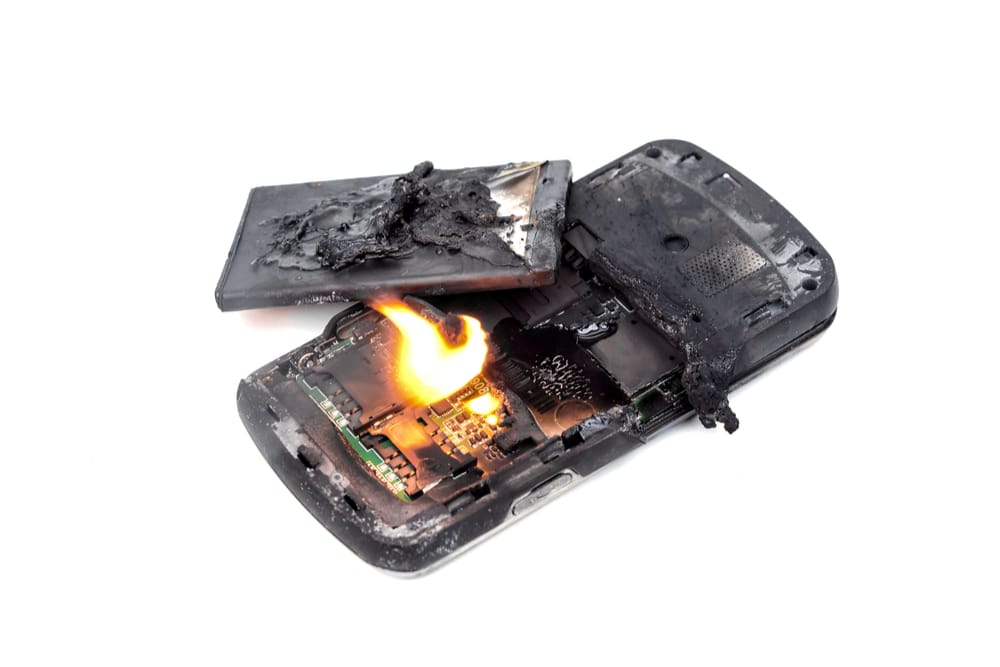
Lithium batteries are everywhere, and in almost every product we use. If you have a device that you plug in and charge, it almost certainly has a lithium-ion battery. But even though lithium-ion battery are everywhere, there is a wide disparity in the quality and safety of these batteries. When they are defective, the results for the victim can be devastating.

Products Liability in General

Before discussing lithium-ion batteries specifically, it is important to understand what is a product liability claim. When someone is injured because a product is defective — such as when a lithium-ion battery explodes — a personal injury attorney in Schaumburg can help you sue for the injuries that are caused by the defective products.

There are really two kinds of products liability claims, a manufacturing defect or design defect.

A manufacturing defect is where the product is absolutely safe normally, but one product comes off the assembly line or manufacturing process incorrectly, making it defective. The product that causes the injury is unlike every other one of that same product. As an example, think of an airbag that malfunctions. That airbag operates as it should in every other vehicle, but in only your vehicle, it was defective, causing you an injury.

A design defect means that every product is exactly the same, but even with no malfunctions, the product, as it is intended to work, is inherently dangerous. A good example would be medicines and drugs that cause injury. One specific medication can be all made the same. But the way it is made is defective, causing people harm.

Lithium-ion battery claims can be either design or manufacturing defects. In either case, the injuries caused to the victim can be catastrophic.

Why are Lithium-Ion Batteries Dangerous?

Lithium-ion batteries are made by a variety of manufacturers, but only some are reliable and safe. For example, although defects and explosions can happen, as a general rule, the batteries in your phones are normally safe. They are made by large manufacturers, with built-in safety mechanisms to prevent explosions. Many are regulated by existing laws to ensure safety.

But many other devices and the batteries inside of them, many imported from foreign countries that may have little or no safety standards or regulations, are sold without safety mechanisms, or protections that keep a lithium-ion battery from exploding.

How Lithium-Ion Batteries Explode

A lithium-ion battery has positively and negatively charged particles. They are not supposed to interact, and most batteries have mechanisms to keep these two particles from contacting each other.

But sometimes, the barriers between positive and negative particles are damaged or are weakened, exposing the positive and negative particles to each other. When that happens, the battery can heat up to a point that the heat melts, or worse, completely explodes the lithium-ion battery.

In cheaper lithium-ion batteries, the separator between positive and negative particles is too weak, or cannot withstand external pressures and temperatures. When the barrier separating negative and positive particles gives way, the battery can explode.

External causes, such as mishandling, can also weaken the internal components of the battery, allowing the positive and negative ions to interact and heat up. Dropping devices or using chargers that aren’t intended for the particular device, are also external factors that can lead to explosions.

But it doesn’t take blunt force to break the internal barrier inside the battery and cause an explosion. In some cases, a battery may have small metal particles inside of it, because of poor manufacturing.

Those metal particles can puncture or weaken the wall that separates positive and negative ions. In poorer, unregulated countries or slip-shod manufacturing facilities, where precautions to avoid intrusion of metal particles are not taken, the battery comes off the assembly line defective and at risk to explode from the date of manufacture.

Sometimes, contact with metal objects can cause explosions. Vape pens can result in this kind of accident. A user can place a vape pen or charger in their pocket, unaware that they also have a metal object in the same pocket. When the two make contact, with cheaper or poorly made batteries or chargers, the device explodes.

For many poorly made batteries, overcharging can cause explosions. The problem is that overcharging is almost never a concern in most devices that we use. So, even if a product includes a warning to avoid overcharging, the warnings are usually unheeded by consumers.

No Regulations

Unfortunately, there are no uniform guidelines for lithium batteries, nor are there federal regulations that govern their safety, the materials used, or how they are handled. Some states may have regulations, which a personal injury attorney in Schaumburg can help evaluate for you.

This means it is up to manufacturers to ensure safety. Some manufactures do vigorously test batteries, using drop tests, or by installing emergency heat ventilation, but others do not. Added to this is that there is no requirement for a lithium-ion battery manufacturer to take these precautions.

Explosions Happen and Can Be Very Dangerous

There are numerous stories of lithium-ion batteries exploding with catastrophic results. One such report involved a man who purchased a substandard battery on Amazon. The man heard an explosion when his laptop battery exploded. Acid was leaking everywhere, and the man suffered chemical burns on his body.

A few years ago, hoverboards were popular. They were powered by lithium-ion batteries. The batteries in these devices were so dangerous that airlines and the US postal service refused to ship them. The batteries exploded when the hoverboards were being used when they were charging, or even when they were simply sitting by themselves.

Because the batteries often came from overseas, and from a number of different manufacturers, there was no way to determine which ones were safe, and which ones should be avoided.

Cell Phones

Even common cell phone batteries can be dangerous. Many explode when they are charging while in very hot temperatures, such as in parked vehicles. But charging itself, for any amount of time in normal temperatures, will rarely result in explosions with modern phone batteries. Unlike many devices, cell phones have built-in limiters that will prevent explosions because of overcharging.

However, that doesn’t mean the lithium-ion batteries in our phones are always safe, no matter what. Lithium-ion batteries have overheated and exploded when underneath pillows. The lack of ventilation can overheat a charging battery, which in some cases, can kill a user.

Lithium-Ion Batteries in Vaping Pens or E-Cigarettes

Making lithium battery explosions so dangerous, aside from the inherent danger of an explosion, is the close proximity these devices have with our bodies. They often are in pockets, or on or around our faces, or our hands. A lithium-ion battery attorney in Schaumburg can help explain the types of injuries that these batteries can cause when they malfunction.

Explosions in vaping pens (sometimes called e-cigarettes) are a good example. These devices and their lithium-ion batteries are often in pockets, leading to explosions that can injure thighs or genital areas. In our mouths, the devices are right by our faces.

Vaping pens are also especially dangerous because when they heat up, the long cylindrical shape of the pens means that most of the force of the explosion is blown out of the ends of the pen—straight into the victim’s mouth and face.

Additionally, unlike some devices that may have padding, or at least, some space between the inside of the battery and the outside, a vaping pen is tightly packed. This means that when the battery heats up and explodes, the entire device heats up quickly, and explodes. Vape pens have been called “flaming rockets” when they explode.

The US Consumer Product and Safety Commission found over 2,000 emergency room visits were caused by exploding, defective lithium-ion batteries in vaping pens. People’s faces, jaws, and bones have been demolished in vape pen explosions. A 2017 report said that lithium-ion batteries were not considered a safe energy source for vaping pens.

The FDA has suggested that vape pen manufacturers rework batteries so that they are not as likely to explode. But there are no actual regulations regarding vape pens or the batteries within them.

Safety Recommendations

The FDA recommends that consumers only use vaping pens or other electronics with lithium-ion batteries in them that have safety features that protect against overheating. It is also recommended to keep loose batteries in cases, so they don’t contact metal objects. The FDA also says that you should only use the pen or batteries’ own charger, not third-party chargers.

Suing After a Defective Battery Explosion

If a lithium battery explodes causing injuries, the injury lawyers at Claim Your Justice can help evaluate your case, and help you sue the manufacturer for the injuries that you sustain.

One very important thing to remember is to keep the remnants of the device that exploded and to take pictures of the area where the battery exploded. An expert witness who your attorney uses will analyze the remains of the device (as well as photos or videos of the product, and the area where the explosion happened), to come to conclusions about how the lithium-ion battery malfunctioned. Your Claim Your Justice lawyer will then use that information to present your case to the responsible parties.

When a battery explodes, a number of entities can be responsible. Under product liability laws, everybody, from the original manufacturer, all the way to the end retailer who sold you the product, can be held liable for your injuries.

To help you if you are injured by a defective lithium-ion battery, call our Schaumburg personal injury attorneys at Claim Your Justice to schedule a free consultation at 847-434-3555.

How Common Are Motorcycle Accidents in Chicago?

accidents in Chicago

Motorcycles aren’t just for transportation. For many, they are a way of life, a culture, or a symbol of independence and freedom. This is especially true in Illinois, a state that has the sixth most registered motorcycle registrations in the country. In addition, the cost of gas is a fraction of driving a car.

But unlike many recreational or fun vehicles, motorcycles have to share the road, and the rules of the road, with cars and trucks. Because of that, motorcycle accidents in Chicago can be very common. When these incidents do happen, the injuries suffered can be even more devastating than car accidents.

Motorcycle Accidents in Chicago: Common, and Often Fatal

The news about Chicago motorcycle accidents is often tragic and speaks to the very high degree of injury that people in motorcycle injuries suffer. Stories abound of riders killed in suburban areas, on Chicago’s highways, as well as injuries and deaths to passengers in motorcycles.

The best way to understand how common motorcycle accidents are in Chicago is by looking at statistics from all of Illinois. According to the Illinois Department of Transportation, in 2018, although motorcycle accidents made up fewer than 1 percent (2,973 accidents) of all accidents on the roads, they made up 12% of all fatal crashes. That is a large disparity, which speaks to how devastating motorcycle accidents can be.

National statistics bear the same result. The National Highway Traffic Safety Administration in 2019 calculated that motorcycle riders were 29 times more likely to die, on a per-mile traveled basis than drivers or passengers in car accidents. A 2016 study also showed that motorcyclists were 28 times more likely than those in cars to be killed in accidents.

Despite more public awareness of motorcycle safety, nationally, motorcycle injury and death rates have generally remained consistent. In 2019, about 975 motorcyclists per 100,000 registered cycles were injured, and 58 per 100,000 were killed.

Where Do Motorcycle Accidents Happen and Who Gets in Accidents?

Although being on side streets would seem to be safer, in fact, they are not. According to State of Illinois statistics, more motorcyclists were killed on city streets and roadways, than were killed on larger highways. Age doesn’t seem to make a difference; about the same number of Illinois motorcyclists were killed who were over the age of 45, as were killed under the age of 45.

Larger motorcycles, which likely are used on busier highways, contributed to a much higher percentage of fatalities. Of all fatal accidents, motorcycles with over 150 cc motors were involved in 149 deaths. Those with under 150 ccs, contributed to only 7 deaths in 2018.

Just like with cars, alcohol plays a factor in motorcycle accidents as well. About 38% of victims in fatal Illinois motorcycle accidents tested had a blood-alcohol level of .01 or higher. The statistics for non-fatal injuries are just as serious. In 2018, nearly 800 people were injured in motorcycle injuries in Illinois

Motorcyclists may have a reputation for being daredevils who drive recklessly, but the statistics don’t bear this out at all. In fact, the majority of motorcycle crashes, 1,638, occurred when motorcyclists were simply driving straight.

Motorcycle accidents are caused by things that can include factors the driver can control, as well as those the driver cannot. For example, “loss of control” is cited by the state as a major factor contributing to motorcycle accidents. Loss of control could include a reckless or inexperienced driver, but could also involve poor weather conditions, or another negligent driver causing the motorcyclist to lose control,

Why Are Motorcycle Accidents So Dangerous?

The severity of motorcycle accidents, and the disproportionate number of deaths that occur in these accidents, are likely explained by obvious factors.

Motorcycles do not have the heavy sheath of metal protection that a traditional vehicle has. Weight disparity between a motorcycle and a car contributes to the severity of injuries sustained in motorcycle accidents. A minor accident, such as a “fender bender” between two cars, can be a major impact collision when it is between a car and a motorcycle.

A motorcycle driver is more likely to be thrown from a vehicle in an accident. This makes injuries such as lacerations, abrasions, amputations, burns, traumatic brain injury, or paralysis, much more common than they are for those occupants inside of cars or trucks.

Motorcycles tend to be less visible to other vehicles, and less stable than traditional cars. Reduced visibility means that maneuvers such as avoiding debris on the road, or trying to swerve from an oncoming negligent driver, can lead to a deadly accident. Compared to the same situation whereas there may be no injuries at all in the same situation if the accident was between two cars.

Protective Gear, Helmets, and Motorcycle Safety Laws

Sadly, many drivers do not wear protective equipment, such as helmets, when on a motorcycle. The National Highway Transportation Safety Authority predicted that almost 2,000 people were saved in motorcycle accidents because they wore their helmets in 2017. Between 37 and 41 people per 100 riders could be saved in otherwise fatal motorcycle accidents, had they been wearing a helmet.

Despite these figures, there is currently no law in Chicago or Illinois that requires that a motorcycle driver wears a helmet (only Illinois, New Hampshire, and Iowa have no mandatory helmet laws). Illinois used to have a helmet law, but it was declared unconstitutional by the Illinois Supreme Court.

Should you (smartly) opt to wear a helmet, remember that because Illinois has no helmet law, there are also no laws setting standards for motorcycle helmets. Make sure that whatever helmet you wear, is accredited by a safety board or organization.

The law requires that operators wear glasses or goggles on their eyes or be protected by a windshield. Goggles must protect both the front and the sides of the drivers’ eyes.

The same law applies to passengers or riders other than the driver. Passengers must have separate passenger seats that have footrests, and passengers must straddle the bike unless seated in a sidecar.

Additional laws are in line with common-sense safety measures, such as making it illegal to ride on one wheel, and mandating that the driver’s hands be on the motorcycle. Hand grips must be at, or below, the head of the driver. These are just Illinois requirements. Federal laws place other requirements, usually on standards for the making of cycles, or safety features on them.

If you are a new motorcycle rider, consider getting training courses, many of which are offered by the State of Illinois. Motorcycle training courses in Illinois teach riders how to operate both two and three-wheel cycles. The state even offers courses geared towards experienced, trained riders.

Finally, remember that “loud pipes, save lives.”

Suing For Motorcycle Accident Injuries in Chicago

An accident involving a motorcycle works just the way a car versus car or car versus truck accident would. Our motorcycle accident lawyers can sue a car driver if the driver’s negligence caused an accident. However, the main difference between a car versus car case, and one that involves a motorcycle, comes in the number of available defenses that someone can use when trying to avoid responsibility for a motorcycle accident.

There is no legal bar to suing a negligent driver, just because you, as a motorcycle operator, did not wear a helmet. But just because the law doesn’t require that a motorcycle occupant wear a helmet, doesn’t mean that a jury cannot or will not find you contributorily negligent for not wearing one. Often, when a motorcyclist sues after a motorcycle accident, the other side will try to use the failure to wear a helmet as a defense, arguing that the failure was a contributing cause of the motorcyclist’s injuries.

Motorcyclists also have to be aware of the inherent stigma against them, fair or not: That there is a reputation or feeling in the general public that Motorcyclists are reckless. This is a prejudice that many jurors hearing motorcycle injury cases bring with them into the courtroom. Our motorcycle injury lawyer can help you overcome that stereotype, and point out that you, like many other riders, operate your motorcycle safely when you are on the Chicago roadways.

Apportionment of Liability in Motorcycle Accident Cases

Remember that whenever a negligent car driver tries to claim that you, as a motorcyclist, caused your own injuries by not wearing a helmet, or by being inexperienced, or by being reckless, a jury can apportion liability between you and the negligent driver. If a jury thinks that you, as the victim, were 51 percent or more responsible for your injuries, Illinois’ comparative negligence statute prevents you from recovering any damages at all.

That’s why it is so important to call our aggressive and experienced Chicago motorcycle accident lawyers.

Motorcycle accidents injuries can be serious, and catastrophic. To learn more about your rights if you are in an accident, call our Schaumburg, IL motorcycle accident attorneys at Claim Your Justice to schedule a free consultation at 847-434-3555.

Illinois Medical Malpractice Questions Answered

Schaumburg Personal Injury Attorney

What is the definition of medical malpractice?

Medical malpractice is when a medical professional the standard of care in administering either the treatment, the procedure, or the diagnosis. To pursue a medical malpractice claim, the initial hurdle to overcome is there must be a breach in the standard of care.

An extreme, but straightforward example is where a person needs to have their right foot amputated because they have gangrene on the right foot, but the doctor amputates the left foot, that is a breach of the standard of care.  

A misdiagnosis can also be considered medical malpractice – if the misdiagnosis breaches the standard of care and leads to a traumatic injury suffered by the patient. So, if you have a physician visit,  and the physician fails to diagnose that you have a hernia, but the hernia doesn’t cause any significant injury, that is not medical malpractice because although there was a misdiagnosis, there has been no injury due to the misdiagnosis.

If you have a situation with the birth of a baby, and the physician failed to induce labor quickly enough, resulting in the death of the baby or a baby born with cerebral palsy – that would satisfy a claim against the doctor for breaching the standard of care because the physician did not induce labor in a more rapid and professional fashion.

When it comes to anesthesia cases, medical malpractice issues may arise if the doctor doesn’t make the proper pharmaceutical mix for the patient, which can result in serious brain issues or heart issues, leading to a brain aneurysm, heart attack, or death. Also, an anesthesiologist may fail to ask a patient if they’re allergic to anything that may be included in the chemical medication, leading to the death of the patient and therefore, a medical malpractice claim. 

If you think you or a family member has been a victim of medical malpractice that resulted in a serious injury or death, call the attorneys at Claim Your Justice. 

What happens when there’s a mix between medical malpractice, which then results in someone being charged with a crime?

Fortunately, these cases are very uncommon.  However, an example would be when a doctor examines a patient and then gropes the patient, inappropriately touches the patient or examines a part of the patient’s body that does not need examining because it is not related to the reason for the visit. These actions may result in the doctor being charged with an aggravated battery.

Another example is seen in the death of Michael Jackson where he was being overprescribed an anesthetic by a doctor, whose actions led to Jackson’s death. The doctor was then charged.

Is it considered medical malpractice if I’m injured by someone who doesn’t have a medical license?

Yes.  The hospital/practice/medical group that employed a non-licensed phony would be responsible because they did not verify their employee was properly licensed. It’s possible the employee previously had a license, which may have been suspended or revoked for any number of reasons, yet the hospital/practice/medical group still allowed them to provide medical services.

In these instances, the hospital/practice/medical group would be exposed to medical malpractice. For the physician, they would be exposed to a crime because they are practicing medicine without a license.

Regardless of whether an individual has a medical license or not, if they are portraying themselves as a doctor, they are exposing themselves to have a medical practice claim charged against them. The problem in this situation is – you want there to be medical malpractice insurance to pursue. Unfortunately, not every doctor does not have a $10 million net worth available to pay a claim.

Also, if an insurance company failed to verify a physician held a valid medical license, yet issued an insurance policy, then tried to get out of that policy of insurance – you might be able to keep the insurance company in the case, saying the insurance company didn’t follow proper protocols to verify who it issued insurance to had a valid license.

What happens is someone is passing themselves off as having a license and an injury occurs to their client?

Many professions need a license – such as a masseuse, a cosmetologist, or a threading technician, and if they are non-licensed, work on a client and cause injury to their client – you can make a claim against that person for acting as if they had a license or not being properly licensed. However, recovery would be a difficult process because the person probably doesn’t have any insurance, significant value, or net worth.

If you or a loved one have been victims of medical malpractice, call our medical malpractice lawyer in Schaumburg to discuss your potential case at 847-434-3555.

Common Lawsuit Questions In Illinois

Personal Injury Attorney

If, through no fault of your own, you are walking along a sidewalk and you trip on two uneven sidewalk slabs, who should be responsible for those injuries?

The uneven sidewalk issue is very common among lawsuit questions in Illinois. The first inquiry is, who is the person or entity in control or owns the sidewalk? If It is a city, county, municipality, or state, it is a much more difficult case than if it is a private owner that controls or owns the sidewalk. If it is a city sidewalk, they generally have something known in the law as tort immunity. Tort immunity recognizes that cities have a lot of responsibilities throughout their regular operations.

Looking out at every inch of road, pavement, and sidewalk is too difficult a chore. To overcome tort immunity, the city needs to have had notice of the defect in the sidewalk. If you are injured on a city sidewalk, you want to show that they had notice of the defect.  When it comes to an uneven sidewalk, it all depends on how uneven the sidewalk is. If the sidewalk is uneven by an inch or two inches, the law may not agree that is so uneven as to create liability – even with notice.

If it was over two inches, then you have a better chance to succeed in making a claim for your injuries against the city – again if the city had notice. Now, it is easier to succeed in a claim versus a private owner.  A private owner has a more heightened responsibility to maintain their property than a city, and the private owner does not have the defense of tort immunity. So, in private ownership, it needs to be shown that the private owner failed to either properly warn people of the uneven sidewalk, or failed to take remedial measures to correct the problem. Then you could make the private owner liable in this particular example.

If someone signs a gym waiver, can they still file a claim for injuries they sustain at a gym?

Gym waivers are tough. The first level of inquiry is, what is the language of the waiver that was signed? Let’s assume it’s the best-drafted waiver in favor of the gym facility. You need to work to see if the injury that occurred could have been prevented. If you have a person that’s injured using a particular machine and let’s say that person’s a new member, and the gym failed to train or demonstrate to that person how to properly use the machine, then the fact that they signed a waiver might help the injured member prove liability for the injury.

Or you have situations where the machine may be maintained poorly. A person goes over to the machine, sticks a pin in the weight rack, and the cable breaks, and they are seriously injured. One of the levels of inquiry would be the maintenance records. If we can establish that a member had reported the machine as defective to the front desk, and a day goes by and the front desk didn’t notify management, or management didn’t take any action to correct the problem, then you can possibly get around the waiver.

Those are the two easy examples to discuss. There are some other examples like if someone signs a waiver for their family, a mom signs yet her kid comes into the gym and is injured, it’s difficult to establish liability. 

When staying at a hotel, does the hotel have any liability for monitoring the use of their on-site gym or their sauna?

In a hotel environment, the document you sign when you check in generally wouldn’t include a specific release for the workout room, but certain rules do apply. If the machine was not properly maintained, and you obtain maintenance logs to show that a month has passed since maintenance was done on the equipment, then the hotel certainly didn’t maintain their level of responsibility to the guest – business invitee – to keep their premises safe.

The weight room scenario at a hotel would be similar to any other company. If someone is in the banquet room at a hotel, and their chair breaks and causes an injury, the chair was not maintained or inspected properly, and you could certainly maintain a case against the hotel. So whether it’s a gym or a hotel I think the person would have the ability to make a successful point.

Can a customer file a claim if they receive laser burns during hair removal or another cosmetic procedure?

It depends, it would most likely fall under professional liability. If you can establish that the physician administering that laser treatment wasn’t using the standard of care typically expected by professionals who use that type of machinery. One could make a claim and likely sustain a claim against that physician and the facility’s owner. 

That answer assumes that there is an actual injury, though. If you just have some pain during the procedure, and the pain goes away – no case. To be successful with the claim there would have to be some substantial injuries, caused by the alleged breach of the standard of care in the medical office.

What is your advice when it comes to a client posting pictures of their injuries or commenting on social media about what had happened to them?

Sometimes it makes my job easy. If I’m able to point and say look, this person was injured, and they’re telling the whole world they’re injured, that’s confirmation that they were injured. Whereas on the other hand, you could have a person who’s claiming injury, saying that their back or legs are hurting and they are not able to do a normal daily activity, but their Facebook page shows them bungee jumping off a bridge.

You have to be careful about what you post on social media because it’s discoverable in litigation. It wouldn’t be the first time that the insurance company argues the claim of injury is not supported by the facts, because here’s the client on social media acting as if he or she didn’t have an injury.

Can you be sued for something you post on social media?

Sure, if you post something defamatory, you could be sued for it. It could fall under defamation. It could be harassment. It could be false light, where you author something about another person, and what you say about the other person holds them in a false light, so that other people in the community think differently about them. Sure, you can certainly make a claim that way. I encourage people to do that, the First Amendment applies to a lot of things, but it wouldn’t apply to that.

Can you sue someone for being rude to you? If not, when does language escalate into doing something a person can sue for? 

If what you’re doing is to harass a person and makes that person feel that they’re in imminent danger of receiving a battery – unauthorized physical touching or conduct, then that is how they would be able to support a claim. They are claiming that they felt they were going to be injured by what the person was saying to them. Or what they’re saying is so egregious, it could rise to the level of defamation.

Contact Our Schaumburg Personal Injury Lawyers

If you’ve suffered an injury due to the negligence of another call the Schaumburg personal injury lawyers at Claim Your Justice and let us get you the compensation you deserve.