Who is Liable in a Car Accident Involving a Rideshare Driver?

rideshare

Rideshare services like Lyft or Uber are commonplace. Although these companies like to call themselves technology companies, the road rules still apply to their drivers the same as any business that puts cars on the roadway. Therefore, the rules still extend to rideshare services when involved in a car accident. However, there are certain things that you should know about the differences and complexities of a car accident involving a rideshare driver. 

How Common are Rideshare Driver Accidents?

It is not uncommon for rideshare accidents to happen. In a University of Chicago study it was found that fatalities increased by between 2% to 3% when rideshare was introduced

Studies have shown that traffic accidents and traffic deaths increase in areas where rideshare services began rolling out and where they became commonplace. Many critics contend that ridesharing decreases the use of public transportation and increases traffic congestion, all factors that tend to increase the number of traffic accidents.

Rideshare Accidents and Insurance

In some ways, insurance agencies treat rideshare accidents the same as any typical car accident. 

One similarity in some States, such as Michigan, is the availability of no-fault insurance, also called personal injury protection (PIP). This insurance pays for a limited amount of your medical bills when you are in an accident, regardless of the accident or who was at fault. Even if you were at fault for the accident, you would get these benefits. You do not have to sue anyone to get these benefits.  They are available immediately to help you pay for medical expenses or lost wages. 

PIP will generally pay for $10,000 of medical expenses, lost wages, or both.

In most cases, the rideshare vehicle driver will have their PIP coverage, and their PIP will pay the amounts that the law requires the insurer to pay. 

Of course, PIP doesn’t fully compensate you for all forms of damages you may suffer in an accident. For example, PIP won’t pay you for pain and suffering or future expected medical expenses. Therefore, you will need to tap into an additional source of insurance for most of the damages and injuries that you sustain.

In addition to PIP, the rideshare driver likely has liability insurance on their policy. Liability coverage is insurance that pays for injuries to anyone other than the driver that caused the accident.  Liability insurance pays the victim if the insured does something to cause an accident. Liability coverage is subject to state minimums.  In Illinois, that minimum amount is $25,000.  This coverage could be more, depending on the liability limits that the driver has.

Where Does Insurance for Accidents Come From in a Rideshare Accident?

The problem that arises for ridesharing drivers is that many insurances that those drivers have personally do not cover accidents that happen for commercial (business) reasons. So, a rideshare driver’s personal insurance policy may likely deny covering the driver for an accident while driving for a rideshare service.

The good news for victims is that many of these rideshare companies must legally provide insurance to drivers through the company. However, the policies usually only pay for accidents in certain circumstances. Many of the situations relate to the driver’s status. For instance, the insurance may pay one amount when the driver is off duty or another amount if the driver is in an accident while on the way to pick you up, and yet another amount once you get in the car.

Most major rideshare companies offer up to $1 million in coverage for accidents when the driver is at fault for the accident. Including but not limited to accidents as a passenger inside that car, or you are someone outside the vehicle that the driver injures while they are transporting a passenger.

That insurance total is large, but it isn’t guaranteed. Many insurance companies might refuse to cover their drivers if the driver did not sign into certain apps that drivers must log into while on duty. But since most drivers want to be covered by the insurance policy (and be paid for their ride), they usually are signed in while they are on work duty.

Insurance Disputes

Uber or Lyft drivers will not be signed into the app when they are not on duty. Think about when they are driving themselves home at night, or even if they are driving to pick up a passenger. There can be a dispute between the company’s insurance, and the driver’s insurance, as to who pays for the accident.

The Rideshare company’s insurance will contend they have no obligation to protect and insure the driver; your Schaumburg personal injury attorney will argue that its insurance should pay. When rideshare insurers deny coverage and say that they do not cover an accident, your attorney may work with the rideshare driver. You and the driver may have at least one similar interest: getting the driver’s insurance company to accept coverage for the accident and pay any damages to you.

The good news is that if the Lyft or Uber insurance does not pay, you and your attorney can possibly pursue an uninsured motorist claim or possibly pursue the driver’s personal liability policy to compensate you for your injuries or damages. 

Who Can Sue and For What?

Rideshare drivers, and the companies they drive for, can be liable for damages to several different people in many other circumstances. 

For example, an Uber or Lyft driver may injure a pedestrian, bicyclist, or someone in another car. Rideshare drivers may also be liable to passengers inside their vehicle if they get injured during the accident.

When a rideshare driver causes an accident, they can be liable to whoever they injure for damages such as:

  • Compensation for the victim’s pain and suffering
  • Compensation for the victim’s loss of enjoyment or quality of life
  • Compensation for anxiety, PTSD, or other trauma
  • Compensation for scarring, loss of limbs, or other disabilities caused by the accident
  • Compensation for the victim’s out-of-pocket expenses such as medical bills or lost wages, including incurred medical bills and loss of future earning capacity because of injuries caused in the accident

Like in a non-ridesharing accident, if someone were to pass away because of injuries sustained in the accident, the deceased’s estate or family could pursue a wrongful death case against the driver and the rideshare company.

Who Else is At Fault?

If you are in an accident while in a Lyft, Uber, or another rideshare service, your rideshare driver may not even be at fault. Sometimes, other drivers drive negligently and crash into your rideshare driver. As the passenger in the rideshare vehicle, you are entitled to sue the negligent driver. You do not lose any rights you would typically have just because you were in a Lyft and not driving your car.

It is not uncommon for rideshare drivers to be involved in accidents. That makes sense, given they drive so much throughout the day. They also may be more distracted, looking at phones, or driving quickly to get where they are going to carry more passengers and make more money. They may not alter their driving to account for bad weather conditions.

Rideshare drivers often drive around, waiting for customers or their next ride order. It is called “deadheading.” This somewhat aimless “driving to nowhere” activity is often long, tedious, and distracting, leading to carelessness behind the wheel. When drivers are involved in accidents while deadheading, many rideshare companies won’t report these accidents, thus leading to underreporting of Uber or Lyft accident statistics. 

When you are a passenger in a rideshare vehicle, you should take special note of things the driver may be doing that may be careless or reckless—for example, excessive speed or playing on the driver’s cellphone. If you suspect the driver may be drunk or impaired, you should immediately ask to get out of the vehicle.

While a passenger, you should also look around you so that if other drivers are driving carelessly, or if another driver causes an accident, you see what the other driver did, and you can tell the police.

After a Rideshare Accident

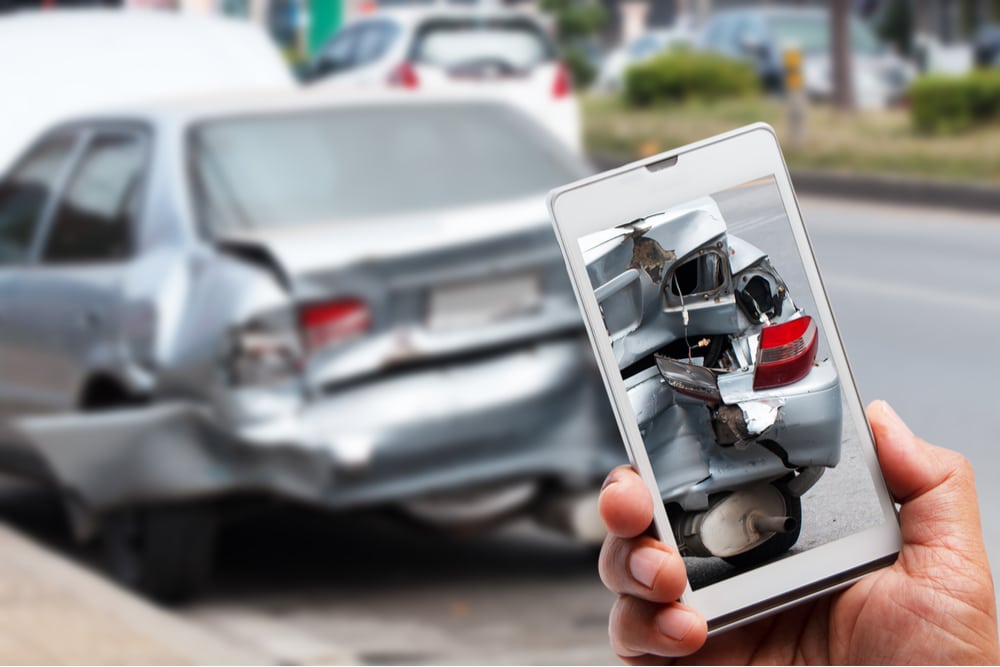
If you are in an accident, make sure that you tell the police about any unsafe behaviors you observed the driver engaging in. Get medical help, and if you can, take photos of the accident, including damages to all vehicles involved in the accident, just as you would after any car accident. 

Were you in a car accident while in a rideshare service, or did a rideshare driver cause it? Call our experienced Schaumburg car accident attorneys at Claim Your Justice to schedule a free consultation at 847-434-3555 today. You only have a limited time to file a personal injury claim. Do not delay in reaching out to have your case evaluated.

Personal Injury Attorney Discusses What To Do After Car Accident

car accident


Claim Your Justice Live Session January 25th 2022

What To Do In The Event Of A Car Accident

Hello, good afternoon, attorney Keith Shindler coming to you for our second Facebook Live. The purpose of these live sessions is to give our viewers and the rest of the Facebook community valuable and useful information on personal injury cases, and personal injury topics. We welcome positive comments and questions, you can always call us to Claim Your Justice™ at 1-888-88-Keith. We are here to help you Claim your Justice™.

Last week, we covered the topic of who pays for the cost when a client has to pursue a personal injury case, it was basic information, but we’re going to start basic. So we covered that item. Today we’re going to cover what to do in the event of a car accident. What’s the first thing necessary to do, you’re going to be shaken up, in pain, concerned about your injuries, and so on.

Make Sure Your Surroundings Are Safe

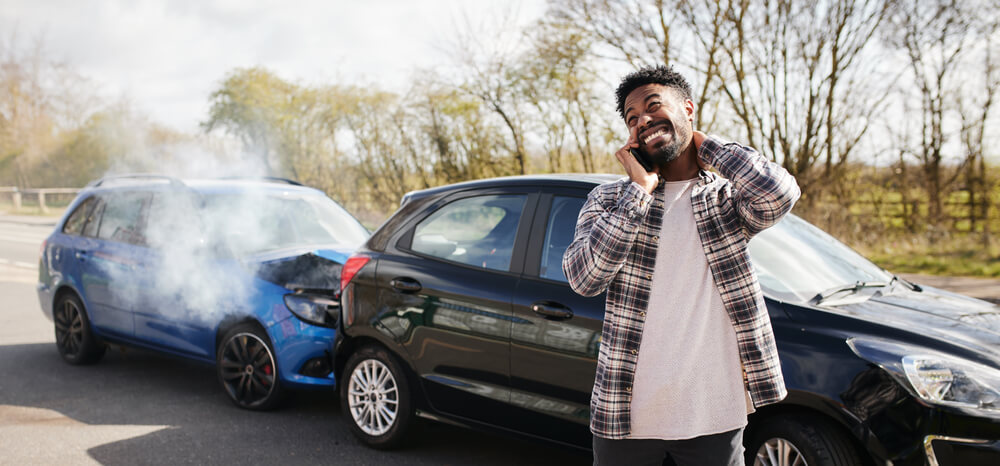
The first thing you want to do is make sure that your surroundings are safe. Sometimes when an accident happens, there’s a secondary accident because the parties didn’t secure their safety. I do not recommend that you move your car. If you can exit the car and walk out of the car, under your strength, I suggest you do that. If you can, make sure your hazards are on, and you’re giving approaching traffic any possible notice that there’s an accident ahead.

Of course, if you’re injured, the first thing you need to do is call the ambulance. The second thing you should do, if you can, is call 911. I understand these are all very basic pieces of information, but I need to relay this information to you. Although we know what to do in this calm setting that we’re in now, sometimes when there’s an accident, you’re nervous, you’re not going to remember what to do.

Hopefully, my reminding you of these things will help penetrate them into your memory so that you’ll know what to do in the event of an accident. Once the ambulance comes, they’re going to give you the medical attention you need. Of course, if they take you to a hospital because you’re injured, you’re not going to be able to do this next piece that I’m going to talk about.

Take Pictures If Possible

It’s very important to take pictures of the area where the accident happened. If you could take pictures of the car that struck you, or the truck that hit you, do that. Take pictures of any important street indicators, if they’re under construction, you may want to get a brief couple of pictures of the construction site.

Why is that important? Sometimes the car that hit you may move, and you may not be able to secure the pictures, or the mechanics of how the accident happened can be reconstructed through the pictures that you take.

Don’t Worry About Your Car

My job is to make sure my clients get the treatment that they need. So if you need to go to the emergency room, you should go to the emergency room. The ambulance, of course, will ask if you need to go to the emergency room? How do you feel? Many times a client will say I don’t need to go to the emergency room. In part maybe because they’re not injured, but they’re also very worried about their car.

Clients have asked me in the past if I go to the emergency room, what’s going to happen in my car, it’s going to get towed, I’m not going to find it, that was a new car, and so on. Very real-life things. However, your health, and dealing with your injuries are critical. If you don’t go to the emergency room with the ambulance, then you may go after you secure your car. Sometimes if you’re injured, the ambulance driver may not give you the choice because they’re going to make the assessment you need to go.

Let’s say the accident happens and you tell the paramedics that you don’t need to go to the emergency room. A couple of hours later at night, or the following morning, you’re in a lot of pain. You can either go to the emergency room then or if you can get in to see your doctor, you can get the follow-up treatment that way. Sometimes clients call me and say what do you think, I had an accident happen, should I go to the doctor? That’s not a decision for me to make, that is a decision for you to make. If you’re injured you should go get the treatment that you need.

Don’t Talk To The Other Party’s Insurance Company

Sometimes after an accident happens, you’re going to get a call, it could be the same day, it could be the next day, it could be a couple of days later from the responsible party’s insurance company, be very careful here. They’re going to ask you how you’re doing, they may offer you a $500 settlement right away to settle your case. They’re also going to ask you to give a recorded statement.

I do not suggest or recommend that you give a recorded statement.

Get Experienced Legal Representation

Of course, the final thing you should do is make sure you get the proper legal representation. That’s where the attorneys at Claim Your Justice™, come to your rescue and help you prosecute your case. Again, you can reach Claim Your Justice™ at 888-88-Keith, my name, Keith Shindler.

One of the other things I want to do with each Facebook Live session on the 2nd of each month, is I want to talk about a real case. So I’m going to start with that today.

It’s cold, it’s snowy, it’s windy. Lots of ice. Well, slip and fall cases happen all the time. Many of them are very difficult to prosecute, and many of them aren’t eligible for recovery because you may have to watch where you’re walking, you may slip and it was no one’s responsibility.

However, we recently signed up a new case two days ago, where a client tripped and fell over an uneven sidewalk. It was about four inches separated, and it was at night. Interestingly enough, around the sidewalk were painted indicators of upcoming construction. However, there was no warning, no construction lights, there was no indication to walk on the other side of the street. Our client tripped and fell at night. It was not a well-lit street.

The client had surgery on her broken wrist and also had to have staples in her head. So I’m going to track this case as it goes along through the prosecution. I will keep you updated. It takes a lot of time, but we’ll have lots of time to share.

Remember, if you’re injured in any type of accident, car accident, trip, and fall, medical malpractice, or wrongful death. Let us help you Claim Your Justice™, call 847-434-3555. Thank you. This has been Keith Shindler, have a successful rest of your week.

Why Taking Photos Can Help Prove Your Illinois Car Accident Case

Car Accident Case

Being involved in a car accident can be upsetting and stressful. After a car accident, not only may the victim be dealing with serious injuries, but also the challenge of navigating the claims process and the logistics surrounding it. While it can feel burdensome, knowing the right steps to take to protect one’s right to their full benefit amount is critical. 

At the office of Claim Your Justice, our Schaumburg car accident lawyer will guide you through everything you need to know after a crash, help you to gather evidence and organize your claim, and make sure you understand all of the important details. One important detail that we can help with is taking photos after a crash. Consider the following about the important steps to take after a car accident, how an attorney can help, and why taking photos can help prove your car accident case—

Important Steps to Take After a Car Accident

When you’ve been involved in a car accident, taking the following steps can prove critical later on in the claims process. These steps include:

  • Report the accident. The first thing that you need to do after being involved in a car accident is to report the accident to the police. Even if your car accident seems minor, reporting your car accident serves as an important piece of evidence. When the police arrive on the scene, be sure to give them a statement but do not assume fault. Afterward, request a copy of the police report and be sure to record the police officer’s name and badge number. 
  • Gather evidence at the scene. The second step that you should take is to gather evidence at the scene of the accident. This includes the names of any eyewitnesses plus their contact information, a description of what happened, the time and date of the accident, the location of the accident, the other driver’s information and contact information, and photographs of the accident scene. Taking photographs is especially important, and will be elaborated on below. 
  • Seek medical care. Even if you gather great evidence and report the accident, if you don’t seek medical care, you may be shooting yourself in the foot, so to speak, when it comes to filing a claim. This is because seeking medical care creates a record and serves as a form of proof of causation; that is, if there is evidence (medical records) that you sought care immediately following your car accident (documented by police reports), then the insurance company will have a hard time arguing that you’re making up your injuries or that your injuries aren’t related to your car accident. Seeking medical care is also essential for ensuring that you get the treatment that you need, and is, therefore, one of the most important parts of the claims process and the healing process. 
  • Notify your insurance company. After reporting the accident to the police and seeking medical care, both of which you should do immediately after an accident, you should call your insurance company and provide notice of the accident. If you don’t provide notice of the accident within a reasonable amount of time, the insurance company may have grounds to deny your claim. 
  • Hire an attorney. Finally, the next step in the process is to hire an attorney if you have not done so already. While you are not legally required to work with an attorney when filing a Schaumburg car accident claim or lawsuit, doing so may greatly improve the outcome of your case. 

Filing a Claim After a Crash: How Photos Are Used

As mentioned above, one of the most important types of evidence that you can gather at the scene of an accident is photographic evidence; that is, photos of as much as possible at the accident scene. There are two primary ways in which photos are used during the claims process: 

  • Prove fault and causation. First, photos can be used to establish causation—that the accident would not have occurred but for certain factors or circumstances—and prove the fault of the responsible party. For example, a photo may show that a stop sign existed at the intersection where your accident occurred, implying that the other driver should have stopped but perhaps didn’t. Or, skid marks can show that you tried to brake to avoid a collision. Even something like photos of the sky can provide clues about lighting, visibility, and even road surface conditions if there is precipitation. 
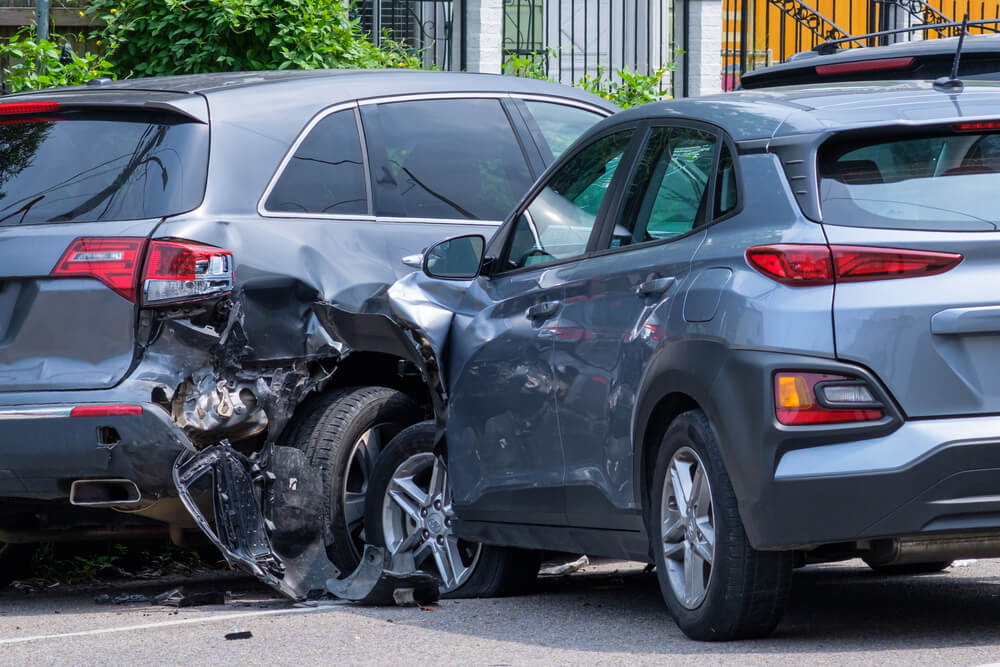
  • Establish damages. The second thing that photos are used for during the car accident claims process is to establish damages—the degree to which the victim has been injured. Photos taken at the scene or shortly after the accident occurs can show where vehicles collided, internal and external damage to vehicles, the severity of a crash (were airbags deployed, is the vehicle totally crushed?), and even the severity of injuries. Looking through photos of injuries can be gruesome, but can provide insight into how serious the victim’s injuries are. In fact, a photo montage that shows the injuries immediately after a crash and then documents the healing process can also serve as a type of evidence that speaks to how well the victim has recovered, as well as the degree of their pain, suffering, and disability. 

Tips for Taking Photos After a Crash

Photos should be taken after a crash whenever possible. Tips for taking photos include: 

  • Take as many photos as possible. Always take as many photos as possible—less is not more in this situation. You can also use a smartphone to take a video of the accident scene and damages, as this can be an effective way to capture a lot of evidence and data. 
  • Take photos of everything. Not only should you take as many photos as possible, but you should also take photos of as many things as possible. Photograph the vehicles, inside and out; take photographs of your immediate and visible injuries; photograph the police officer’s badge; photograph the traffic lights or stop signs, the weather, something that shows the date and time, the road, and nearby businesses; photograph the other driver’s license plate, driver’s license number, and registration information. The more photo evidence you have, the better. 
  • Take photos from different angles. Photos taken from different angles may provide more robust evidence and help to shape the story of what happened and the degree of damages. Don’t hesitate to take the same photo from multiple angles; again, less is not more in this situation. 
  • Don’t forget the most important things to photograph. Finally, don’t get so hung up on taking pictures of the really obvious things—like the crushed side of a vehicle—that you forget about the important clues that should be photographed, like a pothole, object in the road, skid marks, or the yield sign on the corner. Ask yourself how the accident occurred and what you might be able to photograph to prove that. 

Why Is Taking Photos So Important?

Photos are important because they are indisputable. While each driver’s testimony can be challenged, a photograph offers proof. If a driver claims they weren’t speeding or didn’t slam on the brakes, skid marks can say otherwise; if a driver states that they weren’t swerving, but a photograph indicates that they were hit at an angle that would only be possible if they were outside of their lane, their claim will be undermined. 

What If I Can’t Take Photos After a Crash?

While photos are of critical importance during the car accident claims process, our lawyers recognize that sometimes, a victim’s injuries from a crash are so serious that they are precluded from gathering any sort of evidence at the accident scene; instead, they need to be rushed immediately to a hospital. If you can’t take photos after a crash, our lawyers can help by: 

  • Traveling to the scene. We will travel to the scene of the accident as soon as you hire us and gather any evidence that exists there. 
  • Taking photos on your behalf. We can take photos of the scene, as well as motor vehicles and other pertinent evidence, as appropriate. We can also make recommendations about how to photograph your injuries and the healing process. 
  • Tracking down other photos and video evidence. Sometimes, witnesses to the accident take pictures or record video footage. If this exists, we’ll work hard to track down these photos and video evidence. 
  • Using evidence to build your claim. Once we’ve gathered evidence, we’ll work with our team to organize the evidence in a compelling way and create a sound strategy for your case with the goal of maximizing your settlement amount. We can prove fault and damages. 
  • Negotiating your settlement. After you receive a settlement offer, we will review it; if it doesn’t fairly and fully compensate you, we will enter into negotiations. 
  • Litigating your case in court. Finally, we will litigate your case in court in the event that a settlement cannot be reached through the mediation process. Our lawyers have trial experience and are here to advocate for you. 

Call the Office of Claim Your Justice Today

To learn more about the importance of photographs after a car accident and how our law firm can help, please call our car accident lawyer in Schaumburg directly. We offer free consultations and can start working on your case immediately. Reach us now to get started.