Do We Need To Wait For The Police Accident Investigation To Finish Before Hiring An Attorney?

Do We Need To Wait For The Police Accident Investigation To Finish Before Hiring An Attorney

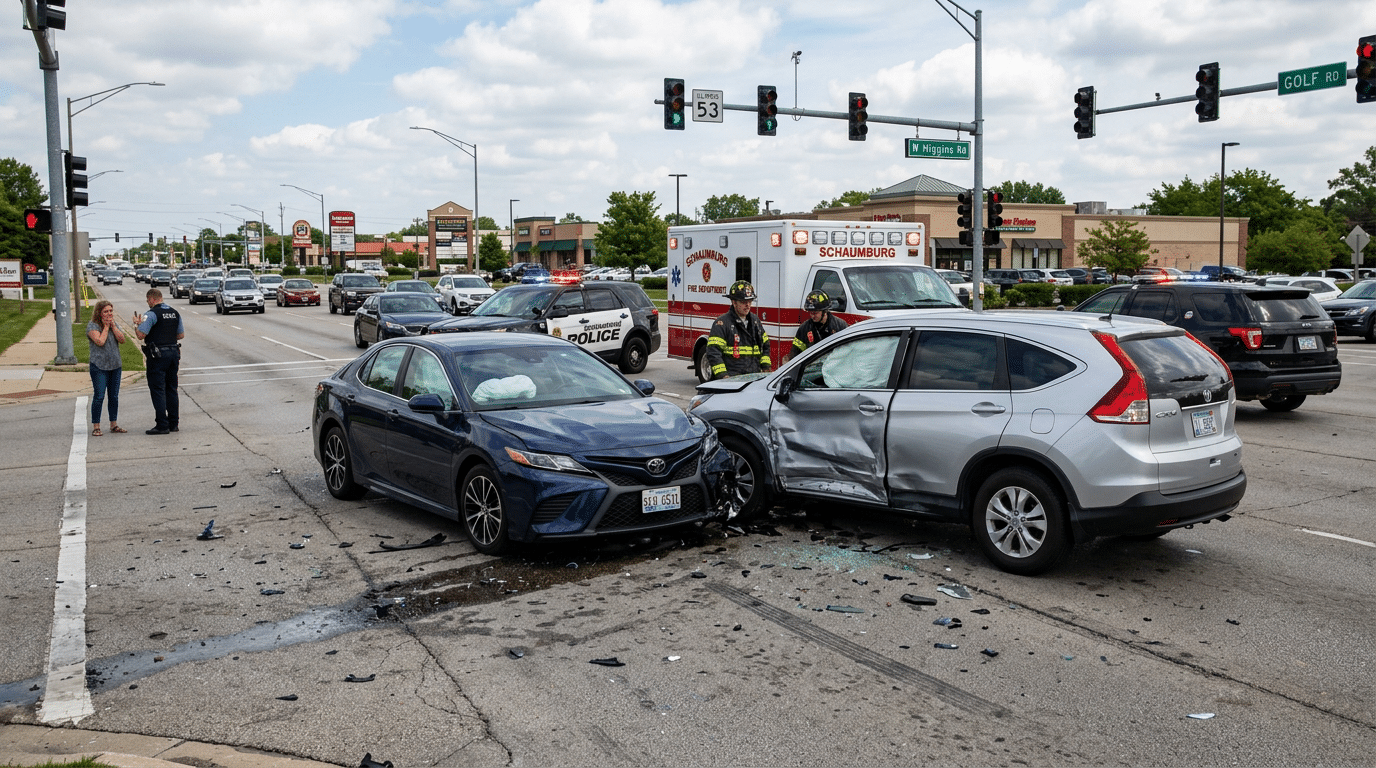
If you’ve been in a serious car accident in Schaumburg, you might hear that the police are still looking into the crash and haven’t finished their report. This can make it seem like you should wait before talking to a personal injury attorney. In most situations, I don’t recommend waiting. The police investigation and your possible Illinois personal injury claim have different goals, and important evidence for your case could be lost if you wait too long. No matter where the accident happened in Schaumburg or the nearby suburbs, I can start protecting evidence and looking into your claim while the police are still working.

A police report is helpful in a car accident case, but it doesn’t decide when you can hire an attorney. You don’t have to wait for the officer to finish the report, issue a ticket, decide on criminal charges, or complete a reconstruction before getting legal help. In fact, some of the most important steps in a serious injury claim should start right after the accident.

The Police Investigation And Your Injury Claim Are Two Different Matters

Law enforcement officers investigate motor vehicle crashes for reasons that are different from the reasons I investigate an accident for an injured client. Police may be determining how the collision occurred, whether a traffic law was violated, whether a driver was impaired, whether citations should be issued, or whether the circumstances warrant additional investigation.

My responsibility in a civil injury case is different. I am looking at whether another person or business was negligent, what evidence proves that negligence, what insurance coverage is available, what injuries the crash caused, and what compensation may be recoverable.

These investigations can happen at the same time. I don’t need the police department’s permission to start looking into your injury claim, and I usually don’t have to wait for the final accident report to begin.

The completed police report can later become one part of the information I evaluate. Illinois law requires law enforcement agencies to prepare reports for qualifying motor vehicle crash investigations, and those law enforcement reports are generally not confidential.  However, a police report should not be viewed as the entire personal injury case.

Why Waiting For The Police Investigation Can Cost You Evidence

One of my main worries about waiting is losing important evidence. The accident scene starts changing right away. Cars get fixed or scrapped, skid marks fade, and debris is cleared. It also gets harder to find witnesses, and their memories may not be as clear.

Video evidence is an even bigger concern. A crash in Schaumburg might be recorded by cameras at businesses, gas stations, restaurants, apartment buildings, parking lots, homes, dashcams, or traffic cameras. Many of these systems erase old footage quickly. So, evidence that’s available now could be gone by the time you get the final police report.

If I get involved early, I can find out what evidence is available and work to save it. This might include photos, surveillance videos, witness details, electronic car data, cell phone records, vehicle inspections, business records, or other important information.

Police officers might collect some of this evidence, but I don’t count on their investigation to gather everything needed for your personal injury claim.

A Police Officer Does Not Decide Your Personal Injury Case

One misunderstanding I frequently see is the belief that whichever driver the police officer identifies as responsible automatically wins or loses the civil case. That is not how an Illinois personal injury claim works.

A police officer might give a ticket or add notes about the crash in the report. These details can help, but proving who is responsible in a civil claim often needs a much deeper look at what happened before and during the accident. For example, a crash initially described as a simple lane-change accident may later involve evidence that the other driver was texting. A commercial vehicle collision may uncover violations by the driver’s employer. An intersection accident may have been captured by surveillance footage that shows something an officer could not determine from interviewing the drivers.

Not getting a ticket doesn’t mean you don’t have a case. On the other hand, if someone does get a ticket, you still need to prove negligence and damages on your own.

The Police Report May Not Contain The Whole Story

Police usually show up after the accident is over. Unless the officer saw the crash happen, their investigation mostly relies on what drivers and witnesses say, the physical evidence at the scene, vehicle damage, and any other information they can find. Injured people may be transported to the hospital before an officer interviews them. A driver suffering from a concussion, shock, pain, or disorientation may not remember every detail immediately after impact. Witnesses may leave before providing their contact information.

Sometimes, one driver’s story is recorded in more detail than the other’s. This doesn’t always mean that version is completely accurate.

That’s why I treat the police report as just one piece of information, not the final answer. When needed, I compare it with photos, vehicle damage, medical records, witness statements, videos, electronic data, and other evidence.

Hiring An Attorney Early Can Protect You From Insurance Company Tactics

The police might still be investigating while insurance companies have already started handling the claim. Insurers don’t always wait for the final police report before reaching out to drivers, taking statements, deciding who’s at fault, or looking for ways to pay less. The adjuster may sound cooperative and ask you to explain what happened, describe your injuries, authorize access to medical records, or provide a recorded statement.

I’m careful with these conversations because something you say early on can later be used in a dispute. You might not know how badly you’re hurt yet. Problems with your neck, back, brain, shoulder, or other areas can show up or get worse after the first shock of the accident. That’s why we deal with insurance communications while you concentrate on medical treatment and recovery.

Medical Evidence Should Develop Without Waiting For Police

Your medical care is another reason not to wait for the police investigation. If you’re hurt, you should get treatment right away based on what you need.

Medical documentation can become critical evidence concerning what injuries you sustained, when symptoms began, how those injuries affected you, and what treatment became necessary. Medical records commonly help establish the nature, timing, treatment, and continuing effects of accident-related injuries.

If you wait for the accident report before getting medical help, two problems can come up. First, your injury could get worse if it’s not treated. Second, the insurance company might question if the accident really caused your injury if there’s a long delay before you see a doctor.

That’s why I tell clients to make medical decisions based on their health and their doctor’s advice, not on whether the police have finished their report.es May Require An Independent Investigation

The more serious the accident, the more important it is to have an independent investigation. Cases involving severe injuries or wrongful death often need evidence that isn’t included in a standard police report.

A commercial truck collision, for example, may require examination of electronic logging information, vehicle data, maintenance records, cargo documents, driver qualification records, company communications, and other evidence controlled by the trucking company.

A rideshare crash may involve questions concerning whether the Uber or Lyft driver was logged into the application, waiting for a passenger request, traveling to pick up a passenger, or transporting someone when the crash occurred. Those details can affect available insurance coverage.

A multi-vehicle crash may require reconstruction of several impacts and the movements of numerous vehicles. An accident involving a defective vehicle component, dangerous roadway condition, or commercial driver can create additional potential defendants.

These are issues I can begin examining while law enforcement continues its own investigation.

Illinois Filing Deadlines Do Not Stop While Police Investigate

Another reason I do not recommend waiting indefinitely is that legal deadlines continue running regardless of how long an investigation takes. Under 735 ILCS 5/13-202, an Illinois action for personal injuries generally must be commenced within two years after the cause of action accrues. Other deadlines can apply depending on who caused the accident and the particular circumstances of the claim.

The statute of limitations should never be treated as a suggested time to begin investigating a case. Two years may sound like a long time, but valuable evidence can disappear within days or weeks.

There is usually no advantage in intentionally waiting until the police investigation is complete before at least speaking with an attorney. Early legal involvement gives me more opportunity to identify evidence, locate witnesses, examine insurance coverage, document damages, and protect the claim.

What If The Police Are Conducting A Criminal Investigation?

Some motor vehicle accidents involve more than traffic citations. A fatal collision, suspected DUI crash, hit-and-run accident, reckless driving case, or other serious event may lead to a criminal investigation.

Even then, your civil injury claim does not necessarily have to remain untouched until the criminal matter is resolved. There may be strategic reasons to coordinate carefully with an ongoing criminal investigation, particularly when evidence is controlled by law enforcement or prosecutors, but I can still begin protecting your interests.

In those situations, timing becomes especially important. I may need to determine what evidence can be obtained independently, what information may become available later, and how the criminal investigation affects the civil case.

When Should You Contact A Schaumburg Personal Injury Attorney?

If you suffered significant injuries, I generally recommend speaking with an attorney as soon as reasonably possible after the accident. You do not need to know exactly what happened, have every medical record, understand the insurance coverage, or possess the completed police report before making that call.

Part of my job is determining what information is missing and how to obtain it. I can later review the police report when it becomes available and compare the officer’s findings with the evidence gathered through my investigation.

For someone injured in Schaumburg, Arlington Heights, Buffalo Grove, Des Plaines, Elk Grove Village, Mount Prospect, Palatine, Rolling Meadows, or another nearby Illinois community, the better question is generally not whether the police are finished. The more important question is whether valuable evidence and legal rights are being protected now.

FAQs About Hiring An Attorney Before The Police Investigation Is Finished

Can I Hire A Personal Injury Attorney Before The Police Report Is Ready?

Yes. You do not need to wait for the police report before hiring me to investigate your accident claim. I can begin gathering evidence, communicating with insurance companies, identifying witnesses, examining available coverage, and documenting your injuries while the report is still being prepared. When the report becomes available, I can obtain and review it as another piece of evidence. Waiting solely because a report has not been completed can unnecessarily delay work that may be important to your case.

What Can An Attorney Do While The Police Are Still Investigating?

There can be considerable work to do immediately after a serious accident. I can investigate the crash scene, identify potential surveillance footage, communicate with witnesses, preserve vehicle evidence, examine insurance coverage, obtain medical documentation, and send preservation notices when appropriate. In truck, rideshare, commercial vehicle, and catastrophic injury cases, additional records may need to be preserved before they disappear. The police investigation and my civil investigation can proceed separately and at the same time.

Should I Wait For The Police To Decide Who Was At Fault?

No. Police officers can provide important observations, issue traffic citations, interview witnesses, and document the accident, but your civil personal injury case should not depend exclusively on an officer’s preliminary opinion. Additional evidence may reveal facts that were not available when the police investigated. I look at all available evidence to determine how the accident occurred and who may bear legal responsibility.

What If The Other Driver Was Not Given A Ticket?

The absence of a traffic citation does not automatically prevent you from pursuing an injury claim. Traffic enforcement and civil liability are different issues. An officer may decline to issue a citation for many reasons, including insufficient information at the scene. I may still be able to establish negligence using witness testimony, photographs, video, vehicle damage, electronic data, admissions, medical evidence, or other information.

What If The Police Report Contains Incorrect Information?

An inaccurate police report can be frustrating, but it does not automatically destroy your claim. I can compare the report with other available evidence and determine whether there are ways to address factual discrepancies. Photographs, independent witnesses, surveillance recordings, vehicle data, physical evidence, and testimony may contradict or clarify information contained in the initial report. This is another reason I do not rely solely on a police report when evaluating an accident case.

What If The Accident Involved A Dui Or Hit-And-Run Driver?

A DUI or hit-and-run crash may involve an ongoing criminal investigation in addition to your personal injury claim. I can still begin investigating the civil side of the case and protecting evidence while law enforcement handles the criminal matter. Depending on the circumstances, additional evidence may later become available through the criminal proceeding. These cases can also raise insurance coverage questions that should be examined early, particularly if the responsible driver fled or lacked adequate insurance.

How Long Do I Have To File A Car Accident Injury Lawsuit In Illinois?

Illinois generally provides a two-year limitations period for actions seeking damages for personal injuries under 735 ILCS 5/13-202. There are circumstances in which different deadlines or rules may apply, so I would not recommend assuming that you have two full years in every case. More importantly, the filing deadline is not an evidence-preservation deadline. Video, witnesses, vehicles, photographs, electronic information, and business records can become unavailable much sooner.

Should I Give The Insurance Company A Recorded Statement While The Police Are Investigating?

I recommend speaking with a personal injury attorney before giving the other driver’s insurance company a recorded statement. Early after an accident, you may not know the full extent of your injuries or have every fact concerning how the collision occurred. An insurance adjuster may later compare your statement with medical records, witness statements, the police report, or other evidence. Once I represent you, I can determine how communications with insurers should be handled while your claim is being investigated.

Speak With SJ Injury Law Before Important Accident Evidence Disappears

If you were injured in a serious car, truck, motorcycle, pedestrian, bicycle, rideshare, or other traffic accident, you do not have to wait for the police investigation to finish before protecting your rights. I can begin examining what happened, preserving evidence, identifying potentially responsible parties, dealing with insurance companies, and evaluating the damages caused by your injuries while the police complete their work.

Call our Schaumburg car accident lawyer at SJ INJURY LAW at (847) 434-3555 to receive your free consultation. If a crash has left you facing medical treatment, lost income, pain, disability, or uncertainty about what happens next, I can evaluate the circumstances and determine what steps may be taken to protect your Illinois personal injury claim.

What Compensation Can I Recover for Injuries From a Side-Impact Accident?

What Compensation Can I Recover for Injuries From a Side-Impact Accident

Side-impact collisions can cause some of the most serious injuries we see on Schaumburg roads because the person inside the vehicle may have only a door, a window, and a relatively small amount of structural protection between their body and the point of impact. These crashes frequently occur at intersections, when one driver turns across traffic, fails to yield, runs a red light, or enters a roadway without enough time to clear approaching vehicles.

In Schaumburg, serious side-impact accidents can occur along heavily traveled roads such as Golf Road, Higgins Road, Roselle Road, Schaumburg Road, Barrington Road, and the streets feeding traffic toward Interstate 90 and Route 53. When another driver causes this type of collision, I look beyond the immediate medical bills and consider the full financial and personal effects of the injuries. A side-impact injury claim may include compensation for medical treatment, future care, lost income, diminished earning ability, pain and suffering, disability, and other losses caused by the crash.

Why Side-Impact Accidents Can Cause Severe Injuries

A side-impact accident, sometimes called a T-bone collision, occurs when the front of one vehicle strikes the side of another. These crashes can be especially dangerous because there is generally less vehicle structure along the side of the passenger compartment than at the front or rear. The force of the collision can be transferred directly toward the driver or passenger sitting near the point of impact.

The resulting injuries may involve the head, brain, neck, spine, shoulder, ribs, pelvis, hips, knees, and internal organs. Some victims suffer fractures, herniated discs, traumatic brain injuries, torn ligaments, nerve injuries, or internal bleeding. Others may initially believe their injuries are minor, only to develop significant pain or neurological symptoms during the days following the collision.

The severity of the injury is important when determining compensation, but it is not the only consideration. I also examine how the injury affects your ability to work, perform household activities, sleep, exercise, care for family members, and participate in the activities that were part of your life before the accident.

Compensation For Medical Expenses After A Side-Impact Accident

Medical expenses are often one of the largest components of a serious side-impact accident claim. If another driver’s negligence caused your injuries, I may seek compensation for reasonable medical expenses related to the collision.

These expenses can include emergency transportation, emergency room treatment, diagnostic imaging, physician appointments, physical therapy, medications, injections, orthopedic care, neurological treatment, chiropractic treatment when medically appropriate, and surgery. A serious collision may also require MRIs, CT scans, nerve studies, or additional testing to determine the extent of the injuries.

I do not evaluate a claim based solely on the medical bills you have already received. If your doctors expect you to require additional treatment, future medical expenses may also need to be included. Accepting a settlement before your medical condition is reasonably understood can create a serious problem because you generally cannot return to the insurance company later and demand additional compensation after settling the claim.

Future Medical Care May Significantly Increase The Value Of A Claim

Some side-impact injuries do not resolve after a few weeks of treatment. A spinal injury may eventually require injections or surgery. A shoulder injury may require arthroscopic repair. A traumatic brain injury may cause persistent cognitive or neurological symptoms requiring long-term treatment.

When future care is reasonably anticipated, I look at what that care may cost and how long it may be required. Future damages can become especially important when a person suffers permanent impairment or an injury that will require periodic treatment for many years.

The insurance company may attempt to value the case based primarily on what has already happened. My responsibility is to consider what the injury is likely to cost you going forward as well.

Lost Wages And Lost Earning Capacity

If your side-impact accident keeps you from working, you may be entitled to pursue compensation for income you lost during your recovery. This may include wages, salary, commissions, overtime, or other employment income that can be documented.

More serious injuries may affect your ability to earn money long after you return to work. For example, a person with a significant back injury may no longer be able to perform physically demanding work. Someone with a traumatic brain injury may experience problems with concentration, memory, or processing speed that interfere with a professional career.

When an injury permanently reduces your ability to earn income, I may pursue damages for diminished earning capacity. This issue can require careful analysis of your employment history, education, occupation, age, medical restrictions, and likely future career path.

Pain And Suffering Compensation

A personal injury claim is not limited to bills and lost wages. Illinois law also permits injured people to seek compensation for non-economic losses associated with their injuries.

Pain and suffering may include the physical pain caused by the collision itself, surgery, rehabilitation, ongoing symptoms, and permanent medical conditions. It can also account for the way pain interferes with everyday life.

A broken pelvis, spinal injury, or serious shoulder tear can make basic activities difficult. Sleeping, driving, walking, exercising, lifting children, performing household work, or even sitting comfortably for extended periods may become painful. These consequences are real losses, even though they do not arrive in the form of an invoice.

I work to document these effects so that the claim reflects how the injury actually changed your life rather than reducing the case to medical bills alone.

Compensation For Disability And Loss Of Normal Life

Some injuries cause permanent physical limitations. Illinois personal injury claims may include damages related to disability and loss of a normal life when supported by the evidence.

Loss of normal life concerns how an injury interferes with activities and experiences you previously enjoyed. A person who was physically active before a collision may no longer be able to run, golf, cycle, travel comfortably, or participate in recreational activities. Another person may have difficulty caring for children or maintaining a household.

These damages can become particularly important in catastrophic injury cases because the consequences may continue for decades.

Who Is Usually At Fault In A Side-Impact Accident?

Side-impact accidents frequently involve disputes about right-of-way. One driver may claim the other vehicle entered the intersection improperly, while the other driver gives the opposite account.

Illinois traffic laws provide important rules for determining responsibility. Under 625 ILCS 5/11-305, drivers generally must obey official traffic-control devices. Illinois law also establishes rules governing traffic signals under 625 ILCS 5/11-306.

Left-turn crashes are another common source of side-impact injuries. Under 625 ILCS 5/11-902, a driver intending to turn left generally must yield to approaching traffic that is close enough to constitute an immediate hazard. At certain uncontrolled intersections, Illinois law also requires the driver on the left to yield to the vehicle on the right when the vehicles approach at approximately the same time.

Determining fault may therefore require more than reading the police report. I may examine photographs, vehicle damage, witness statements, intersection video, traffic cameras, nearby business surveillance, electronic vehicle data, and other evidence showing how the collision occurred.

What If The Insurance Company Says I Was Partially At Fault?

Insurance companies sometimes argue that an injured driver contributed to the collision. Under Illinois’s modified comparative fault rule, 735 ILCS 5/2-1116, an injured plaintiff can generally recover damages if the plaintiff’s contributory fault is not more than 50 percent. However, the award is reduced by the plaintiff’s percentage of fault. A plaintiff found more than 50 percent responsible is barred from recovery under that statute.

For example, if total damages were $200,000 and the injured driver were found 20 percent responsible, the recoverable amount could be reduced by 20 percent. That makes fault allocation extremely important.

Insurance companies understand this rule. An attempt to place even a portion of the blame on you can reduce what they ultimately have to pay. I therefore take allegations of comparative fault seriously and examine the evidence that supports or contradicts the insurer’s position.

Serious Injuries Can Require A Much Broader Damages Analysis

The value of a side-impact accident claim should not be determined by multiplying medical bills by an arbitrary number. Every serious injury case has to be evaluated individually.

I consider the type of injury, objective medical findings, treatment received, surgeries, expected future treatment, permanent restrictions, lost earnings, future earning limitations, physical pain, emotional consequences, disability, and loss of normal life. The strength of the liability evidence and available insurance coverage may also affect the practical recovery.

A side-impact accident that causes a temporary strain is fundamentally different from one resulting in spinal surgery, permanent nerve damage, traumatic brain injury, or a disabling pelvic fracture. The compensation analysis needs to reflect those differences.

Why I Preserve Evidence Early In A Side-Impact Accident Claim

Evidence at an intersection can disappear surprisingly quickly. Surveillance video may be overwritten. Witnesses may become difficult to locate. Vehicles may be repaired or destroyed. Tire marks and roadway evidence disappear.

I want to identify potential sources of evidence early. Depending on the crash, this may include nearby stores, restaurants, apartment buildings, municipal cameras, traffic-control information, vehicle data, cell phone records when legally obtainable, and photographs from the scene.

That evidence can be particularly important when both drivers claim they had the right-of-way. Establishing what actually happened can directly affect whether you recover compensation and how much you ultimately receive.

Speak With A Schaumburg Side-Impact Accident Attorney At SJ Injury Law

A side-impact collision can change far more than the condition of your vehicle. You may be dealing with pain, medical appointments, missed work, uncertainty about your recovery, and pressure from an insurance company that wants to resolve the claim before the full consequences of your injuries are known. At SJ Injury Law, I examine the complete effect of the crash when pursuing compensation, including current and future medical expenses, lost earnings, diminished earning capacity, pain and suffering, disability, and loss of normal life.

Call our Schaumburg side-impact accident lawyer at SJ INJURY LAW at (847) 434-3555 to receive your free consultation. I represent people injured in serious motor vehicle accidents throughout Schaumburg, Chicago, the northwest suburbs, and communities across Illinois.

Bulging Disc Injury Compensation Following A Crash

Bulging Disc Injury Compensation Following A Crash

A car accident in Schaumburg can cause injuries that are not obvious right away but can disrupt almost every part of your daily life. One example is a bulging disc in your neck or lower back. You might leave a crash on Interstate 90, Route 53, Golf Road, Higgins Road, or another busy street thinking you only have minor soreness, but then develop more pain, numbness, weakness, or limited movement in the days that follow. These symptoms can make it hard to work, sleep, drive, care for your family, or enjoy your usual activities. If someone else’s carelessness caused the crash and your disc injury, Illinois law may let you seek compensation for the physical, financial, and personal impact.

Bulging disc claims can be challenging because insurance companies often question whether the crash actually caused the injury. An adjuster might say your disc was already wearing out, the accident was too minor to cause harm, or your symptoms are just from aging. I do not just take the insurance company’s word for it. I look at the details of the crash, your medical history, test results, treatment records, your physical limits, and your doctors’ opinions to understand how the accident affected your health.

What Is A Bulging Disc?

Your spine contains individual bones called vertebrae. Between those vertebrae are discs that provide cushioning, absorb shock, and allow your spine to move. Each disc contains a softer inner material surrounded by a firmer outer layer.

A bulging disc happens when the outer part of a spinal disc sticks out past where it should be. This can press on nearby nerves or make the space for those nerves smaller. Depending on where the problem is and how bad it is, you might feel pain in your neck, back, shoulder, arm, hand, hip, leg, or foot.

A bulging disc is different from a herniated disc. With a bulging disc, the outer wall stays whole but pushes outward. A herniated disc usually means there is a tear and the inner material leaks out. Both can cause serious symptoms, need a lot of treatment, and can be the basis for an injury claim if a crash caused or made them worse.

How A Car Accident Can Cause Or Aggravate A Bulging Disc

The sudden force from a crash can make your spine bend, twist, get squeezed, or stretch more than it should. Rear-end crashes often snap the neck backward and forward. Side impacts can twist your upper body while your lower body stays held by the seat belt. Head-on crashes can put a lot of pressure on your whole spine.

A crash does not have to wreck a car to cause a spinal injury. The force on your body depends on things like how fast the cars were going, the angle of the crash, where you were sitting, the seat design, if you were wearing a seat belt, and whether you saw the crash coming. Two people in the same accident can end up with very different injuries.

The collision may cause a previously healthy disc to bulge, but many claims involve the aggravation of an existing condition. You may have had age-related disc changes that caused no pain before the crash. If the accident caused those changes to become symptomatic or made an existing condition materially worse, the at-fault party may still be responsible for the resulting harm.

Symptoms May Appear After The Accident

Some people feel neck or back pain right after a crash. Others notice symptoms slowly as swelling builds up and nerves get irritated. If your pain starts later, it does not mean the injury is not from the accident.

Symptoms of a cervical bulging disc may include neck pain, shoulder pain, headaches, arm weakness, numbness, tingling, or pain radiating into the hand. A lumbar bulging disc may cause lower-back pain, muscle spasms, leg weakness, sciatica, or numbness extending into the foot.

You should obtain medical attention when pain or neurological symptoms develop after a collision. Prompt evaluation protects your health and creates documentation connecting the symptoms to the crash. Long delays can give an insurer an opportunity to argue that another event caused your condition.

How Doctors Diagnose Bulging Disc Injuries

A medical provider may begin by asking how the accident occurred and evaluating your pain, mobility, strength, reflexes, and sensation. X-rays can help identify fractures or spinal alignment problems, but they generally do not provide a detailed view of spinal discs.

Magnetic resonance imaging, commonly called an MRI, can show disc bulges, herniations, nerve compression, spinal narrowing, and other soft-tissue abnormalities. A doctor may also order nerve testing when symptoms suggest neurological involvement.

An MRI finding alone does not determine the value of a claim. Some disc bulges produce limited symptoms, while others cause severe pain and disabling nerve problems. The important issue is how the condition affects you, what treatment it requires, and whether medical evidence links those effects to the collision.

Treatment And Future Medical Needs

Treatment varies according to the location of the bulging disc, the severity of the symptoms, and your response to care. Initial treatment may involve medication, physical therapy, activity modification, chiropractic care, or home exercises.

When symptoms continue, a physician may recommend epidural steroid injections, nerve blocks, pain-management treatment, or consultation with a spine surgeon. Severe nerve compression or persistent neurological impairment may require surgery. Procedures may include decompression, discectomy, disc replacement, or spinal fusion.

A claim should account for more than medical bills already incurred. If your doctors reasonably expect you to require future injections, therapy, surgery, medication, diagnostic testing, or follow-up care, those anticipated costs may also be part of your damages. Settling before the long-term medical picture becomes clear can leave you responsible for substantial future expenses.

Compensation Available For A Bulging Disc Injury

The value of a bulging disc claim depends on the evidence and the ways the injury has affected your life. Recoverable damages may include emergency care, physician visits, diagnostic testing, physical therapy, injections, medication, surgery, rehabilitation, and future medical treatment.

You may also seek compensation for wages lost while attending appointments or recovering from the injury. If permanent restrictions reduce your ability to perform your prior job or advance in your career, the claim may include diminished earning capacity.

Pain and suffering are also important. A spinal injury can affect sleep, movement, relationships, recreation, household responsibilities, and independence. I work to document those effects in concrete terms rather than allowing an insurer to treat the case as nothing more than a collection of medical bills.

Preexisting Disc Degeneration Does Not Automatically Defeat Your Claim

Insurance companies often focus on words such as “degenerative,” “chronic,” or “preexisting” in medical records. Disc degeneration is common, particularly as people age. Its presence does not prove that the crash caused no injury.

The proper question is whether the collision caused symptoms, increased pain, accelerated treatment, or worsened the underlying condition. Illinois civil jury instructions recognize damages for the aggravation of a preexisting condition when the evidence supports that conclusion. The defendant does not receive a free pass merely because you were more vulnerable to injury than another person might have been.

Evidence that may support aggravation includes the absence of prior symptoms, consistent medical reports after the crash, changes between earlier and later imaging, testimony from treating doctors, and proof that your functional abilities declined after the collision.

How Insurance Companies Challenge Bulging Disc Claims

An insurer may claim that the crash was too minor to cause a disc injury. It may point to limited vehicle damage, emphasize degenerative MRI findings, question delayed treatment, or argue that your symptoms are subjective.

The adjuster may also search your prior medical history for earlier complaints. Prior treatment does not necessarily destroy the claim, but the records must be reviewed honestly and carefully. A clear timeline can show whether you had recovered from an earlier problem, whether your symptoms changed after the crash, or whether the accident created new limitations.

Insurance companies may request a recorded statement or send you to an examination arranged by the defense. What you say during these stages can affect the claim. I prepare clients for these tactics and challenge conclusions that are inconsistent with the medical evidence.

Proving Negligence And Causation

To recover compensation, you generally must show that another party acted negligently and that the negligence caused your injury. Examples include speeding, distracted driving, following too closely, running a red light, failing to yield, making an unsafe turn, or driving while impaired.

Causation requires evidence connecting the collision to the bulging disc or the aggravation of a prior condition. Useful evidence may include photographs, police reports, witness statements, vehicle damage, video footage, medical records, prior imaging, post-accident imaging, and physician opinions.

Illinois follows a modified comparative fault rule. Under 735 ILCS 5/2-1116, an injured person generally may recover damages when their share of fault is not more than 50 percent, although the recovery is reduced by their percentage of responsibility. A person found more than 50 percent at fault is generally barred from recovering damages.

Why You Should Not Rush To Settle

A quick settlement may seem appealing when medical bills and lost wages are accumulating. However, early offers are often made before doctors know whether conservative treatment will work or whether injections or surgery will be needed.

Once you sign a valid release, you ordinarily cannot reopen the case because the injury became more serious than expected. The insurer does not have to pay additional compensation simply because future medical costs were underestimated.

I evaluate the full medical course, future care recommendations, work restrictions, and long-term effects before advising you about settlement. The goal is to pursue compensation that reflects the complete injury rather than the insurer’s preferred timetable.

Frequently Asked Questions About Bulging Disc Injury Claims

Can A Car Accident Really Cause A Bulging Disc?

Yes. The impact of a collision can compress, twist, or abruptly move the spine, causing a disc to extend beyond its normal position. Rear-end, side-impact, rollover, and head-on accidents can all produce the forces associated with cervical or lumbar disc injuries. Whether a specific crash caused the condition depends on medical findings, the mechanics of the collision, your symptoms, and your prior history. An insurer may dispute causation, but vehicle damage alone does not determine what happened to your body.

What Is My Bulging Disc Injury Claim Worth?

There is no fixed settlement amount for a bulging disc. Value depends on the severity and duration of your symptoms, the treatment you received, whether injections or surgery are required, the strength of the liability evidence, your lost income, future medical needs, and the effect on your daily activities. A disc condition causing temporary discomfort will usually be evaluated differently from one causing nerve compression, permanent restrictions, or loss of earning capacity. I assess the claim using the complete medical and personal record rather than relying on a generic settlement calculator.

What If My MRI Shows Degenerative Disc Disease?

Degenerative findings do not automatically prevent recovery. Many people have age-related disc changes without pain, weakness, numbness, or work limitations. A collision may turn a previously asymptomatic condition into a painful one or materially worsen existing symptoms. The responsible party may be liable for that aggravation when it is supported by medical evidence. Comparing your condition, treatment, and functional abilities before and after the crash can be essential.

Can I Recover Compensation If My Symptoms Were Delayed?

Possibly. Pain, swelling, muscle spasms, and nerve irritation may develop gradually following a collision. Delayed symptoms are not unusual, but you should seek medical evaluation once they appear. A lengthy unexplained gap in treatment may give the insurer grounds to challenge causation. Accurate reporting to your medical providers and consistent follow-up care can help establish the connection between the collision and your symptoms.

Do I Need An MRI To Prove A Bulging Disc Claim?

An MRI is often important because it can show discs, nerves, and other soft tissues that do not appear clearly on ordinary X-rays. However, an MRI is only one part of the evidence. Doctors also consider symptoms, physical examinations, neurological findings, treatment response, and accident history. A strong claim connects the imaging findings to your actual symptoms and limitations rather than relying on the radiology report alone.

Can I Recover Lost Wages After A Disc Injury?

Yes, when the injury prevents you from working or limits the hours or duties you can perform. Evidence may include wage statements, tax records, employer verification, disability slips, and medical work restrictions. If the condition permanently reduces your ability to earn income, the claim may include future loss of earning capacity. That issue can require vocational and economic evidence, particularly when surgery, permanent restrictions, or a change of occupation is involved.

How Long Do I Have To File A Claim In Illinois?

Illinois generally provides two years to file an action for personal injuries under 735 ILCS 5/13-202. Exceptions and shorter deadlines may apply, particularly when a government entity or public employee is involved. Waiting is risky even when the general deadline appears to provide ample time because video, witness memories, vehicle evidence, and records may be lost. Early investigation can protect the evidence needed to establish fault and causation.

Should I Give The Insurance Company A Recorded Statement?

You should be cautious. Adjusters may ask questions about how the crash happened, when symptoms began, prior medical treatment, missed work, and your current activities. Statements can later be used to minimize or deny the claim. You may unintentionally provide incomplete information before the medical condition has been fully evaluated. Speaking with an attorney before giving a recorded statement can help protect you from avoidable problems.

What Happens If I Need Surgery?

Surgery can substantially affect the medical expenses, recovery period, lost income, physical limitations, and overall value of the claim. The responsible insurer may still dispute whether the procedure was caused by the crash or medically necessary. Surgical recommendations, diagnostic findings, failed conservative care, and physician opinions become especially important. A settlement should consider the procedure itself, rehabilitation, time away from work, future complications, and any permanent restrictions.

Can I Recover If I Was Partly Responsible For The Accident?

Illinois law may permit recovery when you are not more than 50 percent responsible. Your compensation is generally reduced according to your percentage of fault. For example, if your damages were valued at $100,000 and you were found 20 percent responsible, the recoverable amount would ordinarily be reduced to $80,000. If you were found more than 50 percent responsible, recovery would generally be barred under the modified comparative fault rule.

Contact SJ Injury Law About Your Bulging Disc Injury Claim

A bulging disc can interfere with your ability to work, sleep, drive, lift, exercise, and live without constant pain. Insurance companies may attempt to classify the condition as ordinary degeneration or argue that the collision was not serious enough to cause it. I examine the medical evidence, prior history, accident facts, lost income, future care needs, and daily limitations to present the full impact of the injury.

SJ Injury Law represents people injured in car, truck, motorcycle, pedestrian, rideshare, and other traffic accidents throughout Schaumburg, Chicago, and Illinois. I serve clients in Arlington Heights, Buffalo Grove, Des Plaines, Mount Prospect, Northbrook, Palatine, Prospect Heights, Wheeling, Park Ridge, Rosemont, Glenview, and surrounding communities.

Call our Schaumburg back injury lawyer at SJ INJURY LAW by calling (847) 434-3555 to receive your free consultation about your bulging disc injury claim. I can review how the crash occurred, explain the compensation that may be available, address the insurance company’s defenses, and help you determine the next step in protecting your rights.

Failure-To-Yield Car Accident Claims In Schaumburg

Failure-To-Yield Car Accident Claims In Schaumburg

Every day, drivers in Schaumburg use busy roads like Golf Road, Roselle Road, Higgins Road, Meacham Road, Algonquin Road, and Interstate 90. With heavy traffic, many intersections, shopping centers, and commercial areas, there are plenty of situations where drivers need to yield the right-of-way. Sadly, many crashes happen because someone is impatient, distracted, or ignores traffic laws. A failure-to-yield accident can happen in seconds, but the injuries can affect your health, finances, and quality of life for years. If you were injured in a failure-to-yield crash in Schaumburg or a nearby community, learning about your legal rights is a key first step toward getting compensation.

What Is A Failure-To-Yield Accident?

A failure-to-yield accident happens when a driver does not give the right-of-way to another vehicle, pedestrian, bicyclist, or motorcyclist as required by Illinois traffic laws. These crashes often take place at intersections, during left turns, when entering highways, merging into traffic, leaving parking lots, or near crosswalks.

Many drivers think they have the right-of-way just because they are moving faster or expect the other driver to stop. These assumptions often lead to serious crashes. Unlike rear-end accidents, where fault is usually clear, failure-to-yield cases often need a careful look at traffic signals, road design, witness statements, vehicle positions, and what everyone did right before the crash.

Illinois Law Requires Drivers To Yield The Right-Of-Way

Illinois law gives drivers many responsibilities when it comes to yielding the right-of-way. Drivers must follow traffic signals, stop signs, yield signs, pedestrian crossings, and intersection rules. They also need to yield when making left turns across oncoming traffic and when entering roads from private drives or parking lots.

A driver who violates these rules may be found negligent if the violation causes injuries to another person. Even when no traffic citation is issued, the facts of the accident may establish that the driver failed to exercise reasonable care under the circumstances.

Evidence like surveillance video, dash cam footage, vehicle damage, skid marks, electronic vehicle data, and eyewitness accounts can help show if a driver failed to yield.

Where Failure-To-Yield Accidents Commonly Occur In Schaumburg

Failure-to-yield crashes happen all over Schaumburg because the area has residential neighborhoods, commercial districts, office parks, and busy highways.

At busy intersections near Woodfield Mall, Golf Road, Higgins Road, and Meacham Road, cars often turn left across traffic, merge into crowded lanes, or try to beat changing lights. Drivers leaving shopping centers or restaurants sometimes pull into traffic without enough space. Others try to merge quickly onto main roads without yielding properly.

These accidents also happen at neighborhood intersections, where drivers may get too comfortable and stop paying close attention. Even a brief distraction can cause serious injuries.

Common Types Of Failure-To-Yield Accidents

Failure-to-yield accidents occur in many different ways, but certain scenarios appear repeatedly.

Left-turn collisions are among the most common. A driver attempting to turn left must typically yield to oncoming traffic before completing the turn. Misjudging another vehicle’s speed or attempting to “beat” approaching traffic often leads to severe side-impact crashes.

Drivers entering roadways from parking lots or private driveways must also yield before pulling into traffic. These crashes frequently occur around shopping centers, grocery stores, restaurants, and office complexes throughout Schaumburg.

Failure-to-yield accidents also happen when drivers ignore yield signs, merge improperly onto highways, fail to yield while changing lanes, or fail to stop for pedestrians lawfully crossing the street. Each accident presents unique legal issues requiring careful analysis of the available evidence.

Injuries Can Be Serious Even At Moderate Speeds

Many failure-to-yield collisions involve side-impact crashes, commonly known as T-bone accidents. Unlike front or rear collisions, side-impact crashes offer occupants significantly less structural protection.

Victims often suffer traumatic brain injuries, neck injuries, spinal injuries, broken bones, internal bleeding, shoulder injuries, pelvic fractures, knee injuries, and permanent disabilities. Airbags help reduce injury severity, but they cannot eliminate the tremendous forces involved when one vehicle strikes another from the side.

Some victims require surgery, extensive rehabilitation, long-term physical therapy, and ongoing pain management. Others find themselves unable to return to the same occupation because of permanent physical limitations. The financial consequences often extend well beyond emergency medical treatment.

Proving Liability Requires A Thorough Investigation

Insurance companies frequently dispute liability in failure-to-yield accidents because both drivers often claim they had the right-of-way. Simply saying the other driver failed to yield is rarely enough to resolve the case.

I work to gather every available piece of evidence that helps establish what actually occurred. Police reports provide an important starting point, but they do not always tell the entire story. Witness statements, traffic camera footage, nearby business surveillance video, photographs of vehicle damage, accident reconstruction, electronic vehicle data, and roadway measurements may all become important evidence. The sooner an investigation begins, the greater the opportunity to preserve valuable evidence before it disappears.

Comparative Fault May Become An Issue

Illinois follows a modified comparative negligence system under 735 ILCS 5/2-1116. This law allows an injured person to recover damages if they are not more than 50 percent responsible for causing the accident. Any compensation awarded is reduced by the injured person’s percentage of fault.

Insurance companies often attempt to shift blame to reduce the amount they must pay. They may argue that you were speeding, distracted, failed to react quickly enough, or contributed to the collision in some other way.

Because these arguments can significantly affect the value of a claim, developing strong evidence early in the case is extremely important.

Compensation May Include More Than Medical Bills

Many people believe a personal injury claim only covers emergency room expenses. In reality, the law allows injured victims to pursue compensation for many different losses resulting from the accident.

Depending upon the circumstances, damages may include current and future medical expenses, rehabilitation costs, prescription medications, lost wages, reduced future earning capacity, property damage, pain and suffering, emotional distress, permanent disability, disfigurement, and loss of a normal life.

When injuries are catastrophic, future medical care and long-term financial losses often become the largest components of the claim. Carefully evaluating these damages helps ensure that the full impact of the accident is considered rather than focusing only on immediate expenses.

Acting Quickly Can Protect Your Rights

Important evidence does not remain available forever. Surveillance footage may be overwritten, witnesses become difficult to locate, and physical evidence at the scene disappears. Medical records created shortly after the collision also help document the relationship between the accident and your injuries.

Prompt action also allows sufficient time to investigate all potentially responsible parties and preserve critical documentation before it is lost.

Waiting too long may make proving liability more difficult, even when another driver clearly caused the crash.

Frequently Asked Questions About Failure-To-Yield Car Accident Claims

What Does It Mean To Fail To Yield The Right-Of-Way?

Failing to yield means a driver did not allow another vehicle, pedestrian, bicyclist, or motorcyclist to proceed when Illinois law required them to do so. This commonly occurs during left turns, while entering traffic, approaching yield signs, exiting parking lots, or crossing pedestrian walkways. A violation of right-of-way rules may establish negligence when it causes an accident.

Who Is At Fault In A Failure-To-Yield Accident?

Fault depends on the specific facts surrounding the collision. Investigators review traffic laws, witness statements, surveillance footage, vehicle damage, roadway markings, and other evidence to determine which driver violated the applicable right-of-way rules. While the driver who failed to yield is often responsible, each accident requires an independent evaluation.

Can I Recover Compensation If I Was Partially At Fault?

Yes. Illinois follows modified comparative negligence under 735 ILCS 5/2-1116. If you are found to be 50 percent or less responsible for the accident, you may still recover compensation. Your recovery will generally be reduced by your percentage of fault.

What Types Of Evidence Help Prove A Failure-To-Yield Case?

Helpful evidence may include police reports, photographs, surveillance video, dash camera recordings, eyewitness testimony, electronic vehicle data, accident reconstruction analysis, skid marks, roadway measurements, and medical records. The combination of these sources often provides a clear picture of how the collision occurred.

What If The Other Driver Was Not Ticketed?

A traffic citation is not required to pursue a personal injury claim. Civil liability is determined using a different legal standard than a traffic citation or criminal charge. Even if no ticket was issued, evidence may still establish that the other driver acted negligently by failing to yield the right-of-way.

How Long Do I Have To File A Personal Injury Claim In Illinois?

Most Illinois personal injury claims are governed by the two-year statute of limitations found in 735 ILCS 5/13-202. Although two years may seem like plenty of time, beginning an investigation much sooner usually results in stronger evidence and a better opportunity to preserve important documentation.

What Damages Can I Recover After A Failure-To-Yield Accident?

Depending on the circumstances, compensation may include medical expenses, future treatment costs, rehabilitation, lost wages, reduced earning capacity, pain and suffering, emotional distress, permanent disability, disfigurement, property damage, and loss of a normal life. Every claim is different, and the available damages depend upon the severity of the injuries and the losses you have experienced.

Contact Our Failure-To-Yield Accident Lawyers For A Free Consultation

At SJ Injury Law, I understand how quickly a failure-to-yield accident can change your life. Serious injuries often result in overwhelming medical bills, time away from work, ongoing treatment, and uncertainty about the future. I work to investigate every aspect of your accident, identify the responsible parties, preserve critical evidence, and pursue the full compensation the law allows. If you were injured in a failure-to-yield accident in Schaumburg, call our Schaumburg failure-to-yield accident lawyer at SJ INJURY LAW by calling (847) 434-3555 to receive your free consultation.

What Happens When an Overloaded Truck Causes a Crash?

Overturned truck and collided cars on a highway with firefighters and police securing the scene, debris scattered across lanes.

Schaumburg is located at the crossroads of several major transportation routes that move commercial traffic across Illinois and the Midwest. Each day, tractor-trailers travel on Interstate 90, Route 53, Higgins Road, and other busy roads, carrying goods between warehouses, distribution centers, retailers, and manufacturers. Most commercial trucks operate safely, but serious accidents can happen if trucking companies or cargo handlers ignore weight limits and overload a truck. When this occurs, it can have devastating consequences for everyone on the road.

Many people do not realize the dangers of an overloaded truck until a crash happens. Too much weight affects how well the truck can brake, steer, and handle overall. A truck carrying thousands of extra pounds can be very hard or even impossible to control in an emergency. If an overloaded truck causes a crash in Schaumburg, Arlington Heights, Buffalo Grove, Des Plaines, Mount Prospect, Palatine, Rolling Meadows, or nearby areas, figuring out why the truck was overloaded and who is responsible is a key part of any injury claim.

Why Truck Weight Limits Exist

Truck weight regulations are not arbitrary rules created to inconvenience trucking companies. They exist because excessive weight creates serious safety hazards. Federal and state regulations establish maximum weight limits designed to ensure that commercial vehicles can be operated safely under normal driving conditions.

When trucks go over these weight limits, every part of the vehicle is put under extra stress. The brakes have to work harder to stop the truck. The tires carry more weight than they are meant to handle. Steering is less responsive, and the suspension may have trouble keeping the truck stable during turns or sudden moves.

These risks increase significantly when trucks travel at highway speeds. What may appear to be a minor loading violation can become a major safety issue when an emergency situation develops on a crowded roadway.

How Overloaded Trucks Cause Serious Accidents

One of the biggest problems with overloaded trucks is that they need even more distance to stop. Commercial trucks already take much longer to stop than regular cars. Adding thousands of extra pounds makes stopping even harder.

Picture a truck driving on Interstate 90 near Schaumburg during heavy traffic. If the traffic suddenly slows down or stops, an overloaded truck might not have enough room to stop safely. This can lead to serious rear-end crashes involving several vehicles.

Overloading can also affect steering and vehicle handling. Drivers may find it more difficult to control the truck during lane changes, sharp turns, or emergency avoidance maneuvers. In some situations, the truck may become unstable and roll over.

These crashes often produce severe injuries because of the tremendous size and weight difference between commercial trucks and passenger vehicles.

Improper Weight Distribution Can Be Just As Dangerous

The total weight of a truck is not the only concern. How the cargo is distributed throughout the trailer also plays an important role in vehicle safety.

Cargo that is unevenly distributed can cause the truck to become unbalanced. Too much weight concentrated in one area may affect steering, braking, and overall vehicle control. During sudden maneuvers, improperly distributed cargo can shift inside the trailer, creating dangerous instability.

A sudden cargo shift can cause a trailer to jackknife, roll over, or move unexpectedly into adjacent lanes. In some cases, the cargo itself may break through trailer walls or spill onto the roadway, creating additional hazards for nearby motorists.

These situations often result in complex accident investigations because multiple parties may be responsible for loading errors.

Who May Be Liable For An Overloaded Truck Accident?

Determining liability after an overloaded truck crash is rarely simple. Several different parties may share responsibility depending on the circumstances.

The truck driver may be responsible if they knowingly operated a vehicle that exceeded legal weight limits. Commercial drivers are expected to perform inspections and identify obvious safety concerns before beginning a trip.

The trucking company may also be liable. Some companies place intense pressure on drivers to maximize cargo loads and complete deliveries quickly. If company policies contributed to the overloading problem, the company itself may bear responsibility.

Cargo loading companies and shipping facilities can also be liable when employees improperly load cargo or fail to follow safety procedures. In some cases, multiple defendants share responsibility for the same accident.

Identifying every potentially responsible party is often essential because serious truck accident injuries frequently involve substantial financial losses.

Federal Regulations Govern Commercial Truck Loading

Commercial trucking operations are subject to extensive federal safety regulations. These rules address vehicle inspections, cargo securement, weight limitations, driver qualifications, and numerous other safety requirements.

Federal regulations exist because overloaded and improperly loaded trucks have long been recognized as major safety threats. Violations of these regulations may become important evidence during a personal injury case.

Records relating to cargo weight, shipping manifests, inspection reports, driver logs, and company policies can all provide valuable information regarding how the accident occurred. Reviewing these records often reveals whether weight restrictions were ignored or safety procedures were violated.

Injuries Commonly Seen In Overloaded Truck Crashes

The force generated by an overloaded commercial truck can cause catastrophic injuries. Victims often suffer far more serious harm than they would in an ordinary automobile accident.

Common injuries include traumatic brain injuries, spinal cord injuries, herniated discs, fractures, internal organ damage, severe neck injuries, and permanent disabilities. Some victims require multiple surgeries, months of rehabilitation, and long-term medical treatment.

In the most severe cases, overloaded truck crashes result in wrongful death claims. Families may suddenly find themselves facing emotional devastation, funeral expenses, and the loss of a loved one’s financial support.

These damages can extend far beyond immediate medical bills. Future medical care, lost earning capacity, pain and suffering, and long-term disability often become major components of the claim.

Evidence Must Be Preserved Quickly

Truck accident evidence can disappear quickly if immediate action is not taken. This is especially true in cases involving overloaded vehicles.

Important evidence may include cargo manifests, weigh station records, inspection reports, black box data, driver logs, dispatch communications, loading records, and surveillance footage. These records may provide critical information regarding how much cargo was loaded and who was responsible for the loading process.

The trucking company often begins its own investigation immediately after a serious crash. For this reason, injured victims benefit from beginning their own investigation as quickly as possible.

Preserving evidence early frequently makes the difference between a strong case and a difficult one.

Why A Thorough Investigation Matters

Overloaded truck accidents involve much more than proving who caused the collision. A complete investigation seeks to determine why the truck was overloaded, who made the decisions leading to the violation, and whether additional safety failures contributed to the crash.

Many victims initially assume only the truck driver is responsible. However, trucking companies, cargo loaders, maintenance providers, and other businesses may share liability. Identifying all responsible parties can significantly affect the compensation available to injured victims.

When catastrophic injuries are involved, every available source of compensation matters. Medical expenses, future treatment needs, lost income, and long-term limitations can create financial burdens that last for years.

FAQs About Overloaded Truck Accident Claims

What Is Considered An Overloaded Truck?

An overloaded truck is a commercial vehicle carrying more cargo than federal or state weight limits allow. These limits depend on the type of truck, number of axles, and the road being used. Going over these limits can make driving dangerous because too much weight affects braking, steering, tires, and stability. Looking at cargo records and weight documents is often needed to find out if a truck was overloaded during a crash.

Can A Truck Driver Be Held Responsible For An Overloaded Truck?

Yes. Truck drivers are responsible for inspecting their vehicles and making sure they are safe to drive. If a driver knowingly drives an overloaded truck or ignores clear safety problems, they can be held responsible for any injuries. But drivers are often not the only ones at fault. Trucking companies and cargo-loading companies often play big roles in overloading cases. Trucking companies may be liable when company policies, supervision failures, unrealistic delivery expectations, or loading practices contribute to an overloaded vehicle. Companies that prioritize profits over safety can face substantial liability when those decisions lead to serious accidents.

What Evidence Helps Prove A Truck Was Overloaded?

Several types of evidence may help establish overloading. Common examples include cargo manifests, shipping records, weight tickets, weigh station reports, loading documents, driver logs, inspection reports, electronic data, and witness testimony. Obtaining this evidence quickly is important because some records may only be retained for limited periods of time.

What Damages Can I Recover After An Overloaded Truck Accident?

Compensation may include medical expenses, future medical care, rehabilitation costs, lost wages, loss of earning capacity, pain and suffering, emotional distress, disability-related expenses, and other damages. The specific value of a claim depends on the severity of the injuries and the circumstances surrounding the accident.

How Long Do I Have To File A Truck Accident Claim In Illinois?

In most personal injury cases, Illinois law provides a two-year statute of limitations from the date of the accident. However, waiting too long can make evidence more difficult to obtain. Beginning an investigation early often strengthens a claim and improves the ability to preserve critical records.

Why Are Overloaded Truck Accident Cases More Complex Than Car Accident Cases?

Truck accident cases often involve multiple companies, federal regulations, commercial insurance policies, extensive documentation, and numerous potential defendants. Determining who loaded the truck, who approved the load, and who failed to prevent the violation requires a much more detailed investigation than a typical car accident claim.

Contact Our Truck Accident Attorneys For A Free Consultation

At SJ Injury Law, I understand the devastating consequences that can result when trucking companies and cargo handlers ignore safety regulations. Overloaded truck accidents often cause catastrophic injuries, extensive medical expenses, lost income, and long-term physical limitations. Identifying every responsible party is essential to pursuing the full compensation you deserve.

If you were injured in an overloaded truck accident in Schaumburg, Chicago, Arlington Heights, Buffalo Grove, Des Plaines, Mount Prospect, Northbrook, Palatine, Prospect Heights, Wheeling, Park Ridge, Rosemont, Glenview, or anywhere throughout Illinois, I am ready to help.

Contact our Schaumburg truck accident attorney at SJ INJURY LAW by calling (847) 434-3555 to receive your free consultation. I proudly represent injury victims throughout Schaumburg, Arlington Heights, Buffalo Grove, Des Plaines, Mount Prospect, Northbrook, Palatine, Prospect Heights, Wheeling, Park Ridge, Rosemont, Glenview, Chicago, and communities across Illinois. Let me investigate the cause of the crash, identify all liable parties, and fight for the compensation you need to move forward.

Delayed Back Pain After A Car Accident

Delayed Back Pain After A Car Accident

Car accidents are a daily occurrence in Schaumburg and nearby areas like Arlington Heights, Buffalo Grove, Des Plaines, Elk Grove Village, Mount Prospect, Palatine, and Rolling Meadows. Some injuries show up right away, but others can take days or even weeks to appear. Many people I talk to say they felt fine at first, only to develop serious back pain days later. This can be confusing and worrying, especially when you are unsure if your symptoms are connected to the accident or if the delay might affect your injury claim.

Delayed back pain after a car accident is actually very common. When you go through a traumatic event, your body releases adrenaline and stress hormones that can hide pain for a while. As these effects fade, injuries from the accident can become much more noticeable. Sadly, insurance companies often use delayed symptoms to question injury claims. Knowing why back pain can show up later and how it might affect your case is important if you have been hurt in a Schaumburg-area accident.

Why Back Pain Does Not Always Appear Immediately

Many people think that serious injuries will cause immediate pain, but that is not always true. In a collision, your body goes through sudden forces that can affect muscles, ligaments, tendons, discs, nerves, and joints in your spine.

Right after an accident, your body is on high alert. Adrenaline can make you feel less pain and help you keep going, even if you are hurt. As time passes, inflammation builds up around the injured areas. Swelling can press on nerves and other tissues, causing pain that you did not notice at first.

I often talk to clients who drove home after an accident thinking they were fine, but woke up the next day feeling stiff, sore, and unable to move easily. Others notice their symptoms get worse over several days. This is a common pattern and does not mean the injury is unrelated to the accident.

Common Back Injuries That Cause Delayed Symptoms

Several types of spinal injuries may not become fully apparent immediately after an accident.

Muscle strains and ligament sprains are very common. These soft tissue injuries usually hurt more as inflammation sets in. You might feel stiff, have muscle spasms, and notice that moving makes the pain worse.

Herniated discs are another frequent source of delayed back pain. The impact of a collision can cause the soft material inside a spinal disc to protrude outward and place pressure on nearby nerves. Symptoms may include lower back pain, numbness, tingling, weakness, or pain that radiates into the legs.

Facet joint injuries can also happen after a crash. These small joints help keep your spine stable and can get irritated or damaged in an accident. Pain from facet injuries often gets worse over time instead of showing up right away.

In more serious cases, spinal fractures or nerve injuries may initially present with relatively mild symptoms before becoming increasingly problematic. This is one reason why medical evaluation following an accident is so important.

Delayed Back Pain Can Affect Daily Life In Significant Ways

Many people underestimate how much a back injury can affect their lives until they begin experiencing symptoms. Back pain often impacts nearly every aspect of daily functioning.

Simple things like sitting, standing, bending, lifting, driving, or even sleeping can become hard to do. Many people find it tough to work, especially if their job involves physical tasks or sitting for long periods. Even basic chores at home can feel painful and tiring.

When symptoms persist for weeks or months, the financial consequences can become substantial. Medical expenses continue to accumulate while lost income creates additional stress. Some individuals require physical therapy, injections, pain management treatment, or even surgery to address their injuries.

These damages are important components of a personal injury claim and should not be overlooked simply because symptoms developed after the accident.

Insurance Companies Often Question Delayed Injury Claims

One of the most frustrating aspects of delayed back pain cases is dealing with insurance company skepticism. Insurance adjusters frequently argue that a delay in symptoms means the accident could not have caused the injury.

This argument is often used to reduce the value of claims or deny them entirely. The insurance company may suggest that another event caused the injury or that a pre-existing condition is responsible for the symptoms.

I regularly see insurance carriers scrutinize medical records, looking for prior complaints involving the back or spine. Even treatment that occurred years before the accident may be used as part of their defense strategy.

Fortunately, delayed symptoms are well recognized within the medical community. Medical records, diagnostic testing, physician opinions, and treatment history can often establish a clear connection between the collision and the resulting injury.

Seeking Prompt Medical Attention Is Critical

One of the most important steps you can take after any car accident is seeking medical evaluation, even if you believe your injuries are minor.

A prompt examination creates documentation regarding the accident and any symptoms you are experiencing. It also allows healthcare providers to identify injuries before they become more serious.

If symptoms appear after your initial examination, it is equally important to return for follow-up care. Continuing treatment creates a medical record that documents how your condition developed and progressed over time.

Many accident victims make the mistake of trying to “tough it out” or hoping the pain will resolve on its own. Delaying treatment often gives insurance companies additional arguments to use against your claim.

Medical Evidence Often Determines The Outcome Of The Case

In delayed back pain claims, medical evidence frequently becomes the foundation of the case. Diagnostic imaging such as MRIs can identify herniated discs, nerve compression, and other structural injuries that may not appear on initial examinations.

Physicians can also evaluate the mechanism of injury and determine whether the collision likely caused the symptoms being reported. Treatment records, specialist evaluations, physical therapy notes, and pain management records all help establish the relationship between the accident and the injury.

The stronger the medical documentation, the more difficult it becomes for an insurance company to argue that the injuries are unrelated to the crash.

Understanding The Long-Term Impact Of Back Injuries

Not every back injury heals within a few weeks. Some accident victims continue to experience chronic pain for months or years following a collision.

Persistent back pain can interfere with employment, recreational activities, family responsibilities, and overall quality of life. In severe cases, individuals may require future medical treatment long after their legal claim has been resolved.

That is why it is important to fully understand the nature of your injury before accepting a settlement offer. Once a claim is settled, additional compensation is generally unavailable, even if future complications arise.

Frequently Asked Questions About Delayed Back Pain After A Car Accident

Can Back Pain Start Days After A Car Accident?

Yes. Delayed back pain is extremely common after car accidents. Adrenaline and shock can temporarily mask pain immediately following the collision. As inflammation develops and injured tissues begin to react, symptoms often become more noticeable. Some people experience pain within hours, while others may not notice significant symptoms for several days.

Should I See A Doctor If My Back Pain Seems Minor?

Yes. Even minor back pain can indicate a more serious underlying injury. Conditions such as herniated discs, ligament injuries, and nerve compression may initially appear mild before worsening over time. A medical evaluation can identify potential issues early and create documentation that may be important if you later pursue a personal injury claim.

Can A Herniated Disc Take Time To Develop Symptoms?

Yes. Herniated disc symptoms frequently appear gradually. While the disc injury itself may occur during the collision, inflammation and nerve irritation can increase over time. As pressure builds around affected nerves, symptoms such as pain, numbness, tingling, or weakness may become more pronounced.

Will The Insurance Company Deny My Claim Because My Pain Was Delayed?

Insurance companies often question delayed injury claims, but a delay in symptoms does not automatically defeat your case. Medical records, diagnostic imaging, physician opinions, and consistent treatment can help establish that the accident caused your injuries. Delayed symptoms are widely recognized in both medicine and personal injury litigation.

What If I Had A Previous Back Problem Before The Accident?

Having a pre-existing condition does not prevent you from pursuing compensation. Illinois law generally allows recovery when an accident aggravates or worsens an existing condition. The key issue is determining how the accident affected your physical condition compared to your health before the collision.

How Long Can Back Pain Last After A Car Accident?

The duration varies significantly depending on the nature and severity of the injury. Some people recover within weeks, while others experience symptoms for months or years. Serious injuries involving discs, nerves, or spinal structures may require long-term treatment and ongoing medical care.

Should I Accept An Insurance Settlement Before My Treatment Is Complete?

Generally, it is important to understand the full extent of your injuries before resolving a claim. Accepting a settlement too early may leave you without compensation for future medical treatment, lost income, or ongoing pain. Once a settlement is finalized, additional recovery is usually not available.

Contact SJ Injury Law For A Free Consultation About Your Injury Claim

At SJ Injury Law, I understand how frustrating it can be when back pain develops days after an accident, and the insurance company questions whether your injuries are legitimate. Delayed symptoms are common, and they should not prevent you from seeking the compensation you deserve. Building a strong claim requires careful review of medical records, diagnostic evidence, and the circumstances surrounding the accident.

If you suffered delayed back pain following a car accident, call our Schaumburg car accident lawyer at SJ INJURY LAW by calling (847) 434-3555 to receive your free consultation. Let our firm help you pursue the compensation you need while you focus on your recovery.

Should I Accept The First Settlement Offer From The Insurance Company?

Should I Accept The First Settlement Offer From The Insurance Company

If you’ve been hurt in an accident in Schaumburg, you might be surprised by how quickly the insurance company reaches out. No matter where your accident happened, on Interstate 90, Golf Road, Higgins Road, Route 53, or in nearby towns like Arlington Heights, Buffalo Grove, Des Plaines, Elk Grove Village, Mount Prospect, Palatine, or Rolling Meadows, the insurance adjuster may come across as friendly and eager to help. Often, this first conversation leads to a quick settlement offer. While it might seem like good news during a stressful time, accepting it right away can end up costing you.

After an accident, you may be facing medical bills, lost wages, car repairs, and worries about what comes next. It’s understandable to feel pressure to take the money and move forward. But the first settlement offer is usually based on what the insurance company wants to pay, not what your claim is really worth. Before you accept anything, make sure you know what rights you’re giving up and whether the offer truly covers all your injuries.

Why Insurance Companies Make Early Settlement Offers

Insurance companies are businesses. Their goal is to resolve claims for the lowest amount possible while still protecting their financial interests. One of the most effective ways to accomplish that goal is to settle a claim before the injured person fully understands the extent of their injuries and losses.

Right after an accident, most people haven’t finished their medical treatment. You might not know yet if you’ll need surgery, months of physical therapy, or if your symptoms will last. Insurance companies know this. By offering a settlement early, they hope to close your claim before you realize its full value.

I often talk to people who first thought their injuries were minor. Weeks later, they find out they have herniated discs, brain injuries, torn ligaments, or ongoing pain that needs a lot of treatment. If they had taken the first settlement, they wouldn’t be able to get more compensation for these problems.

Once You Accept A Settlement, Your Case Is Usually Over

One of the most important things to understand about settlement agreements is that they are generally final. In exchange for payment, you are typically required to sign a release that permanently resolves your claim.

After signing that release, you usually cannot return and request more money if additional medical problems arise. It does not matter if your condition worsens, if future surgeries become necessary, or if you discover new complications related to the accident. The insurance company will likely consider the matter closed.

This is why it is critical to understand the long-term impact of your injuries before agreeing to any settlement. A quick payment may seem attractive today, but it can become a source of regret if future medical expenses greatly exceed the amount you accepted.

Medical Bills Are Only Part Of The Equation

A common mistake is to focus only on your current medical bills. Insurance companies often want you to do this because it can lower the value of your claim.

A personal injury claim can cover much more than just emergency room bills or your first treatments. Depending on your situation, you might also be entitled to compensation for future medical care, lost wages, reduced earning ability, pain and suffering, emotional distress, loss of normal life, rehab costs, and other damages.

For example, if you’re hurt in a serious Schaumburg car accident, you might need months of physical therapy and may not be able to do your old job. These losses go far beyond your first hospital bill. To properly evaluate your claim, you need to consider both current and future damages.

Insurance Adjusters Do Not Represent You

Many people mistakenly believe the insurance adjuster is working to help them. While adjusters may be courteous and professional, it is important to remember who they represent.

The adjuster’s responsibility is to protect the interests of the insurance company. Their job involves evaluating claims, investigating losses, and resolving cases within company guidelines. They are not responsible for protecting your financial future.

This does not mean adjusters are dishonest. However, their goals and your goals are often very different. You want full compensation for your injuries and losses. The insurance company wants to minimize what it pays. Understanding this difference is essential when evaluating any settlement offer.

The Full Extent Of Injuries May Not Be Immediately Apparent

Some injuries take weeks or even months to fully reveal themselves. Soft tissue injuries, traumatic brain injuries, spinal injuries, and nerve damage frequently develop over time. Adrenaline and shock immediately after an accident can mask symptoms that become more noticeable later.

I frequently see accident victims who initially decline medical treatment because they feel relatively fine. Within days or weeks, significant pain develops, and additional testing reveals serious injuries.

Accepting a settlement before reaching maximum medical improvement can be risky because it may be impossible to accurately determine future medical needs. A thorough understanding of your diagnosis, treatment plan, prognosis, and future limitations is often necessary before evaluating whether a settlement offer is fair.

Insurance Companies Often Start Low

Initial settlement offers frequently serve as opening positions in the negotiation process. Insurance companies know that some people will accept the first amount offered simply because they need immediate money or are unfamiliar with how injury claims work.

The first offer may not fully account for future treatment, permanent impairments, ongoing pain, or diminished earning capacity. In many situations, additional investigation, medical documentation, and negotiation are necessary before the true value of the claim becomes apparent.

Every case is different, but accepting the first offer without fully understanding your damages can leave substantial compensation on the table.

Evaluating A Settlement Requires Looking At The Entire Case

Determining whether a settlement offer is reasonable involves much more than comparing the amount offered to current medical bills. Liability issues, future treatment needs, lost income, permanent injuries, and insurance coverage all play important roles.

A proper evaluation requires examining medical records, physician opinions, wage loss documentation, future care projections, and the impact the injury has had on your daily life. The stronger the evidence, the stronger the position during settlement negotiations.

Before accepting any offer, it is important to understand what your case may be worth today and what costs you may face tomorrow.

Why Legal Representation Can Make A Difference

Insurance companies handle injury claims every day. Most accident victims do not. This difference in experience can create an uneven playing field during settlement negotiations.

When I represent an injured client, I gather medical evidence, document damages, communicate with insurance companies, evaluate settlement offers, and pursue every available category of compensation. My goal is to ensure that decisions are based on the full value of the claim rather than the insurance company’s initial assessment.

A settlement should account for the true impact of the accident, not simply provide a quick resolution.

Frequently Asked Questions About Insurance Settlement Offers

Should I Ever Accept The First Settlement Offer From The Insurance Company?

There is no universal rule that applies to every case, but accepting the first offer without fully understanding your injuries and damages can be risky. Early offers are often made before medical treatment is complete and before the full extent of your losses is known. Before accepting any settlement, it is important to understand your diagnosis, future medical needs, lost income, and long-term prognosis. Once a settlement is finalized, additional compensation is usually unavailable.

Why Do Insurance Companies Offer Settlements So Quickly?

Insurance companies often attempt to resolve claims early because doing so can reduce uncertainty and limit financial exposure. Early settlements may occur before the injured person understands the full impact of the accident. In some situations, an insurance company may hope to settle a claim before future medical complications become apparent. This is one reason why careful evaluation is important before accepting an offer.

Can I Ask For More Money After Accepting A Settlement?

Generally, no. Most settlements require signing a release that permanently resolves the claim. Once that release is signed and the settlement is completed, the case is usually closed. Even if additional medical issues arise later, you may not be able to pursue additional compensation. This is why it is important to evaluate the full scope of damages before agreeing to any settlement.

How Do I Know If A Settlement Offer Is Fair?

Determining fairness requires examining many factors, including medical expenses, future treatment costs, lost wages, pain and suffering, permanent injuries, and liability issues. A fair settlement should reflect both current and future losses related to the accident. Looking only at current medical bills often provides an incomplete picture of the claim’s value.

What If My Injuries Get Worse After The Accident?

Many injuries evolve over time. Back injuries, neck injuries, traumatic brain injuries, and soft tissue injuries may become more severe as days and weeks pass. If you settle before these complications are fully understood, you may be responsible for future medical expenses yourself. Waiting until your condition is better understood often provides a more accurate basis for evaluating settlement offers.

Do I Have To Talk To The Other Driver’s Insurance Company?

You may receive calls from insurance adjusters shortly after an accident. While basic information may need to be exchanged, it is important to be careful when discussing injuries, fault, or the details of the collision. Statements made early in the process may later be used during claim evaluations. Many people choose to seek legal guidance before providing detailed statements.

Will Hiring An Attorney Delay My Settlement?

Not necessarily. In some situations, legal representation can actually improve communication and streamline the claims process. More importantly, the goal should not be obtaining the fastest settlement possible. The goal should be obtaining fair compensation that reflects the true impact of the accident. A quick settlement that undervalues your claim may create long-term financial problems.

Call SJ Injury Law To Discuss Your Settlement Offer

At SJ Injury Law, I understand how tempting it can be to accept an insurance company’s first settlement offer, especially when medical bills and lost income are creating financial pressure. Before making a decision that could permanently affect your rights, it is important to understand the true value of your claim and the long-term impact of your injuries.

If you were injured in Schaumburg, Chicago, Arlington Heights, Buffalo Grove, Des Plaines, Mount Prospect, Northbrook, Palatine, Prospect Heights, Wheeling, Park Ridge, Rosemont, Glenview, or anywhere throughout Illinois, SJ Injury Law is ready to help.

Call our Schaumburg car accident lawyer at SJ INJURY LAW by calling (847) 434-3555 to receive your free consultation. I proudly serve clients throughout Schaumburg, Arlington Heights, Buffalo Grove, Des Plaines, Mount Prospect, Northbrook, Palatine, Prospect Heights, Wheeling, Park Ridge, Rosemont, Glenview, Chicago, and communities across Illinois. Let me review the insurance company’s offer, explain your options, and help protect your right to full and fair compensation.

How Insurance Adjusters Undervalue Car Accident Claims

How Insurance Adjusters Undervalue Car Accident Claims

A car accident can turn your life upside down in seconds. You might be driving through Schaumburg on Golf Road, Higgins Road, Roselle Road, or Interstate 90, and suddenly find yourself facing injuries, doctor visits, car repairs, lost wages, and calls from insurance companies. In this stressful time, many people believe the insurance adjuster will fairly assess their losses and offer a reasonable settlement. Sadly, this is often not the case.

Insurance companies are businesses whose main goal is to collect premiums and pay out as little as possible. Adjusters are a big part of this process. Even though many adjusters are polite and professional, their job is to protect the company’s bottom line. This means many valid injury claims are first undervalued, disputed, or delayed.

I often talk to accident victims from Schaumburg, Arlington Heights, Buffalo Grove, Des Plaines, Mount Prospect, Palatine, Rolling Meadows, and nearby areas who are shocked to learn that the insurance company’s initial offer is usually much less than their claim is really worth. Knowing how adjusters work and the tactics they use can help you protect your rights and improve your chances of getting fair compensation.

Insurance Adjusters Are Trained To Limit Claim Payments

Many people think insurance adjusters are neutral, but they actually work for the insurance company. One of their main jobs is to keep claim costs down. The less the company pays out, the more it keeps.

This doesn’t mean every adjuster acts unfairly. Still, insurance companies have systems and rules meant to lower claim payouts whenever they can. Adjusters are trained to spot weaknesses in claims, question injuries, challenge medical care, and look for reasons to pay less.

After a serious accident, most people focus on getting better, not on legal issues. Insurance companies know this. They realize that accident victims are worried about medical bills, lost income, and what comes next. These worries can make people accept a settlement before they know the full impact of their injuries.

That is why it is important to remember that the insurance company’s interests and your interests are not always aligned.

Early Settlement Offers Are Often Designed To Save The Insurance Company Money

One of the most common tactics I see involves quick settlement offers shortly after an accident. At first glance, these offers may appear helpful. The adjuster may sound sympathetic and suggest they want to resolve the matter quickly.

The problem is that many injuries take weeks or months to fully develop. Neck injuries, back injuries, traumatic brain injuries, nerve damage, and soft tissue injuries often become more apparent over time. Some victims initially believe they are recovering well, only to discover later that they need additional treatment, injections, surgery, or extended rehabilitation.

When an insurance company makes an early settlement offer, it often does so before the full extent of your damages is known. Once a settlement agreement is signed, you generally cannot go back and ask for additional money if your condition worsens.

A fast settlement may benefit the insurance company far more than it benefits you.

Insurance Companies Frequently Dispute Medical Treatment

Another common strategy involves challenging the medical care you received after the accident. Adjusters may argue that certain treatments were unnecessary, excessive, unrelated to the collision, or caused by pre-existing conditions.

For example, a person involved in a rear-end collision in Schaumburg may seek treatment for neck pain, back pain, headaches, and numbness in their arms or legs. Even when diagnostic testing confirms injuries, the insurance company may attempt to minimize the significance of those findings.

Adjusters often review medical records, looking for any opportunity to argue that symptoms existed before the accident. They may focus on prior injuries, old complaints, or unrelated medical conditions in an effort to reduce the value of the claim.

This is one reason why consistent medical treatment and proper documentation are so important after an accident.

Pain And Suffering Is Frequently Undervalued

Medical bills are only part of an injury claim. Serious accidents often affect nearly every aspect of a person’s life. Physical pain, emotional distress, sleep disruption, anxiety, depression, limitations on daily activities, and reduced quality of life can all be significant components of a claim.

Insurance companies often place much greater emphasis on economic damages than on non-economic damages. While medical bills and lost wages can be calculated with relative certainty, pain and suffering damages are more subjective.

As a result, adjusters may attempt to minimize how the injuries have affected your life. They may ignore important details about your daily struggles, inability to participate in hobbies, difficulty caring for family members, or limitations on employment.

A claim should reflect the full human impact of an injury, not just the numbers found in medical invoices.

Social Media Can Be Used Against You

Many accident victims are unaware that insurance companies routinely review social media accounts during claim investigations. Photos, videos, comments, and status updates may be examined and taken out of context.

For example, a simple photograph showing someone attending a family gathering could be used to suggest they are not as injured as claimed. A short video clip may be presented without any context regarding pain experienced before or after the activity.

Insurance adjusters are constantly searching for information that can be used to challenge credibility or reduce claim value. This is one reason I advise clients to be extremely cautious about social media activity while a claim is pending.

Recorded Statements Can Hurt Your Claim

Shortly after an accident, an insurance adjuster may request a recorded statement. Many people assume they are required to provide one.

In reality, these conversations often benefit the insurance company far more than the injured person. Adjusters are trained to ask questions designed to create inconsistencies, obtain admissions, or identify information that can later be used to challenge the claim.

A simple statement such as “I’m feeling okay” made shortly after the accident can later be cited as evidence that injuries were minor, even if significant symptoms developed later. Words matter, and insurance companies document every detail.

The True Value Of A Claim Often Extends Beyond Current Bills

Many accident victims focus solely on the expenses they have already incurred. However, a claim may include future medical treatment, future lost earnings, permanent impairment, ongoing pain, rehabilitation expenses, and loss of normal life.

A serious injury can affect earning capacity for years. It can interfere with career advancement, limit employment opportunities, and create ongoing medical needs. These future losses should be considered when evaluating settlement value.

Insurance companies frequently focus on current damages while minimizing future consequences. A complete evaluation requires looking at both present and future impacts.

Strong Documentation Makes Undervaluation More Difficult

Insurance companies have a much harder time undervaluing claims supported by strong evidence. Medical records, physician opinions, diagnostic testing, wage documentation, photographs, witness statements, and expert evaluations all help establish the true extent of damages.

The stronger the documentation, the more difficult it becomes for an insurance company to dismiss legitimate losses. Building a persuasive claim requires careful preparation and attention to detail from the very beginning.

FAQs About Insurance Adjusters And Car Accident Claims

Why Do Insurance Companies Offer Low Settlements After Car Accidents?

Insurance companies are businesses focused on profitability. One way they control costs is by attempting to settle claims for less than their full value. Initial offers are often based on limited information gathered early in the claim process. The insurance company may not have a complete understanding of future medical needs, ongoing pain, lost earning capacity, or long-term complications. Many adjusters also assume that some claimants will accept lower offers because they need immediate financial relief. For these reasons, an early offer is often substantially lower than the amount ultimately recoverable.

Should I Accept The First Settlement Offer From The Insurance Company?

Generally, accident victims should be cautious about accepting an early settlement offer. Many injuries require time to diagnose and evaluate properly. Accepting a settlement too early may prevent you from recovering compensation for future treatment, additional medical expenses, or long-term complications that have not yet been identified. Before accepting any settlement, it is important to understand the full extent of your injuries and damages.

Can An Insurance Company Deny That My Injuries Were Caused By The Accident?

Yes. Insurance companies frequently argue that injuries were caused by pre-existing conditions, prior accidents, age-related degeneration, or unrelated events. This is particularly common in cases involving neck injuries, back injuries, spinal injuries, and soft tissue damage. Medical records, physician opinions, diagnostic imaging, and treatment history often become important evidence when establishing causation.

Why Does The Insurance Company Want A Recorded Statement?

Recorded statements can provide insurance companies with information they may later use to challenge a claim. Adjusters often ask detailed questions about how the accident occurred, your physical condition, and your activities after the collision. Even innocent comments can be taken out of context and used to reduce claim value. Accident victims should be careful before agreeing to recorded interviews.

How Is Pain And Suffering Calculated In An Illinois Car Accident Case?

Pain and suffering damages depend on many factors, including the severity of the injury, the duration of symptoms, the effect on daily activities, emotional distress, permanent limitations, and overall impact on quality of life. There is no single formula that applies to every case. A thorough review of the evidence is necessary to determine a reasonable value for these losses.

Contact Our Schaumburg Car Accident Attorney To Discuss Your Case

At SJ Injury Law, I understand the tactics insurance companies use to undervalue legitimate injury claims. My goal is to make sure your injuries, financial losses, future medical needs, and pain and suffering are fully documented and properly presented.

If you were injured in a motor vehicle accident, call our Schaumburg motor vehicle accident lawyer at SJ INJURY LAW by calling (847) 434-3555 to receive your free consultation. I proudly represent injury victims throughout Schaumburg, Arlington Heights, Buffalo Grove, Des Plaines, Mount Prospect, Northbrook, Palatine, Prospect Heights, Wheeling, Park Ridge, Rosemont, Glenview, Chicago, and communities across Illinois. Let me help protect you from unfair insurance company tactics and pursue the compensation you deserve.

Whiplash Injuries And Insurance Challenges In Illinois

Whiplash Injuries And Insurance Challenges In Illinois

Car accidents are common in Schaumburg and the nearby northwest suburbs. No matter if the crash happens on Interstate 90, Route 53, Golf Road, Higgins Road, Meacham Road, or another busy street, whiplash is one of the most frequent injuries. Sadly, whiplash is also one of the most misunderstood injuries in personal injury cases. Many people are surprised to find that insurance companies often question these claims, even when someone is in real pain and facing serious limits.

I frequently speak with individuals who initially believed their injuries would heal within a few days, only to discover that their symptoms lasted for months or even years. What begins as neck soreness can develop into chronic pain, headaches, reduced mobility, sleep disturbances, and difficulty performing everyday activities.

Despite these very real consequences, insurance companies often attempt to minimize whiplash claims because the injury is not always visible on traditional diagnostic imaging. Understanding how these cases are evaluated and why insurance carriers frequently dispute them can help you protect your rights after an accident.

Understanding How Whiplash Injuries Occur

Whiplash occurs when the head and neck are suddenly forced backward and forward in a rapid motion. This violent movement can strain or damage muscles, tendons, ligaments, discs, and other soft tissues within the neck and upper spine. Rear-end collisions are among the most common causes of whiplash, but the injury can occur in virtually any type of motor vehicle accident.

One of the most important things people should understand is that vehicle damage does not necessarily determine the severity of a whiplash injury. I have represented individuals who suffered significant neck injuries in crashes that caused relatively minor damage to the vehicles involved. The human body does not respond to impact forces the same way a vehicle does. Even low-speed collisions can generate enough force to injure the delicate structures of the neck and upper back.

Symptoms often do not appear immediately. Many people leave the accident scene believing they escaped injury, only to wake up the next morning with severe pain, stiffness, headaches, dizziness, and limited range of motion. This delayed onset of symptoms is common and should never be ignored.

Why Insurance Companies Frequently Challenge Whiplash Claims

One of the biggest obstacles facing injured victims is the skepticism many insurance companies have toward whiplash injuries. Unlike broken bones or traumatic injuries that appear clearly on X-rays, whiplash often involves soft tissue damage that can be more difficult to document through imaging studies.

Insurance adjusters frequently argue that the injury is minor, temporary, or unrelated to the accident. They may suggest that the victim had pre-existing neck problems or that the reported symptoms are exaggerated. Some carriers rely on computer programs and internal guidelines that automatically place lower values on soft tissue injury claims.

I have seen insurers argue that because a person was able to drive home after the accident or did not seek emergency treatment immediately, the injury could not be serious. These arguments often ignore the medical reality that whiplash symptoms frequently develop gradually over time. The fact that an injury is not visible does not mean it is insignificant.

Medical Documentation Plays A Critical Role

Strong medical evidence is one of the most important components of a successful whiplash claim. Insurance companies carefully examine treatment records, physician notes, diagnostic studies, therapy records, and recommendations for future care.

Seeking prompt medical treatment helps establish a connection between the accident and your injuries. When there are long delays before treatment begins, insurers often attempt to argue that something else caused the condition. Consistent follow-up care is equally important because treatment records help demonstrate the ongoing impact of the injury.

I encourage clients to be honest and thorough when discussing symptoms with medical providers. Neck pain is only one aspect of a whiplash injury. Headaches, shoulder pain, numbness, tingling, sleep disruption, dizziness, concentration problems, and emotional distress should all be documented when present. Comprehensive medical records often become one of the strongest pieces of evidence in these cases.

The Long-Term Impact Of Whiplash Is Often Underestimated

Many people assume whiplash is a short-term injury that resolves within a few weeks. While some individuals recover quickly, others experience long-lasting complications that interfere with nearly every aspect of daily life.

Chronic pain can affect a person’s ability to work, exercise, drive, care for children, and participate in hobbies or recreational activities. Persistent headaches and neck stiffness may limit productivity and create emotional frustration. Some accident victims require months of physical therapy, pain management treatment, injections, or ongoing medical care.

Insurance companies frequently focus on the initial diagnosis while ignoring the long-term consequences. When evaluating a claim, I look at how the injury has affected the person’s overall quality of life, both immediately after the accident and in the future. A complete evaluation requires far more than simply adding up medical bills.

Common Insurance Tactics Used In Whiplash Cases

Insurance companies use a variety of strategies to reduce the value of whiplash claims. One common tactic involves questioning whether the collision was severe enough to cause injury. Adjusters may point to photographs showing limited vehicle damage and argue that significant injuries could not have occurred.

Another tactic involves closely scrutinizing medical treatment. If a victim misses appointments, delays care, or stops treatment before reaching maximum improvement, insurers often use those gaps against them. They may also request recorded statements designed to obtain comments that can later be interpreted out of context.

I have also seen insurance companies present settlement offers shortly after the accident, before the full extent of the injury becomes apparent. Accepting an early settlement can be risky because once a release is signed, additional compensation is generally unavailable even if symptoms worsen later.

Building A Strong Whiplash Injury Claim

A successful whiplash claim requires evidence, consistency, and patience. Medical records, physician opinions, diagnostic studies, physical therapy records, witness statements, accident reports, and documentation of daily limitations all contribute to the strength of the case.

I work to demonstrate not only the medical diagnosis but also the practical consequences of the injury. Insurance companies need to understand how the accident affected your ability to work, enjoy life, perform household responsibilities, and participate in normal activities. The more complete the picture, the stronger the claim becomes.

Every whiplash case is unique. Some resolve relatively quickly, while others require extensive negotiations or litigation. What remains constant is the importance of taking the injury seriously from the very beginning.

FAQs About Whiplash Injuries And Insurance Challenges In Illinois

What Is Whiplash?

Whiplash is a neck injury that occurs when the head is suddenly forced backward and forward. This rapid motion can damage muscles, ligaments, tendons, discs, and other soft tissues within the neck and upper spine. Whiplash is commonly associated with rear-end collisions, but it can occur in many different types of accidents. Symptoms often include neck pain, stiffness, headaches, dizziness, shoulder pain, and reduced range of motion. In some cases, symptoms persist for months or even years after the accident.

Can I Have Whiplash Even If My Vehicle Suffered Minimal Damage?

Yes. Vehicle damage does not always correlate with the severity of an injury. Even low-speed collisions can generate enough force to injure the soft tissues of the neck. Insurance companies often focus on property damage because it supports their efforts to minimize claims, but medical research has shown that significant whiplash injuries can occur even when vehicle repairs are relatively minor. Every accident should be evaluated based on the individual’s symptoms and medical findings rather than the appearance of the vehicle.

Why Do Insurance Companies Dispute Whiplash Claims?

Insurance companies frequently challenge whiplash claims because soft tissue injuries can be more difficult to document than fractures or other visible injuries. Adjusters may argue that symptoms are exaggerated, unrelated to the accident, or caused by pre-existing conditions. Their goal is often to reduce the amount paid on the claim. Strong medical documentation and consistent treatment are important tools for overcoming these challenges.

How Long Does It Take To Recover From Whiplash?

Recovery times vary significantly depending on the severity of the injury and the individual’s overall health. Some people recover within a few weeks, while others continue to experience symptoms for months or years. Factors such as age, prior injuries, treatment compliance, and the extent of tissue damage can all influence recovery. Because every case is different, it is important not to assume that symptoms will disappear quickly.

Should I Accept The Insurance Company’s First Settlement Offer?

Generally, caution is warranted before accepting an early settlement offer. Insurance companies often attempt to resolve claims before the full extent of the injury becomes known. Once a settlement agreement is signed, additional compensation is usually unavailable. It is important to understand the long-term impact of the injury and the expected course of treatment before making any final decisions regarding settlement.

What Damages Can I Recover In A Whiplash Injury Claim?

Compensation may include medical expenses, future treatment costs, lost wages, reduced earning capacity, pain and suffering, emotional distress, and loss of normal life. The available damages depend on the facts of the case and the severity of the injury. A comprehensive evaluation should consider both the financial losses and the personal impact the injury has had on daily living.

Call Our Whiplash Injury Attorney For A Free Consultation

At SJ Injury Law, I understand how frustrating it can be when an insurance company attempts to minimize a legitimate whiplash injury. Neck injuries can interfere with every aspect of daily life, and insurance carriers often fail to appreciate the long-term consequences these injuries create. My goal is to build a strong claim supported by medical evidence, thorough documentation, and a complete understanding of how the injury has affected your life.

If you were injured in a car accident in Schaumburg, Chicago, Arlington Heights, Buffalo Grove, Des Plaines, Mount Prospect, Northbrook, Palatine, Prospect Heights, Wheeling, Park Ridge, Rosemont, Glenview, or anywhere throughout Illinois, SJ Injury Law is ready to help.

Call our Schaumburg truck accident lawyer at SJ INJURY LAW by calling (847) 434-3555 to receive your free consultation. I proudly represent injury victims throughout Schaumburg, Arlington Heights, Buffalo Grove, Des Plaines, Mount Prospect, Northbrook, Palatine, Prospect Heights, Wheeling, Park Ridge, Rosemont, Glenview, Chicago, and communities across Illinois. Let me fight for the compensation you deserve while you focus on your recovery.

Sideswipe Accidents And Why Liability Is Often Disputed

Sideswipe Accidents And Why Liability Is Often Disputed

Sideswipe accidents might not get as much attention as head-on or high-speed rear-end crashes, but they can still cause serious injuries and lead to complicated legal issues. In Schaumburg, drivers often deal with crowded roads, aggressive traffic, and lots of merging, which raises the risk of these accidents. Roads like Golf Road, Higgins Road, Roselle Road, Meacham Road, and Interstate 90 are busy all day with commuters, commercial vehicles, and visitors traveling through the northwest suburbs.

Even a small mistake during a lane change can quickly cause a crash that affects several vehicles. Sideswipe accidents are especially challenging because liability is often disputed right from the start. Unlike some crashes where fault is clear, sideswipe accidents usually involve different stories, limited physical evidence, and insurance companies that quickly question who is responsible.

Why Sideswipe Accidents Happen So Frequently In Schaumburg

Schaumburg is one of the busiest suburban business areas in Illinois. With big shopping centers, office buildings, industrial zones, and several highways, drivers are always changing lanes, merging into traffic, and dealing with heavy congestion. These conditions make sideswipe accidents more common than most people think.

Most sideswipe accidents happen when a driver moves into another lane without making sure it is clear. This can be caused by distraction, tiredness, speeding, or not paying enough attention to other cars. Drivers sometimes think they have enough space to merge when they actually do not. Even a small mistake can lead to a crash that involves several vehicles.

These accidents can happen at relatively low speeds, but they also occur at highway speeds where the consequences become much more severe. A vehicle that is struck on the side may overcorrect, spin into another lane, strike a barrier, or collide with other motorists. What begins as a simple lane departure can quickly become a multi-vehicle accident with significant injuries.

Why Liability Is Often Immediately Disputed

One of the most frustrating things about sideswipe accidents is that both drivers often blame each other. Many times, each person says they were already in their lane and the other driver moved into their space.

Insurance companies know these cases are hard to prove. Because of this, adjusters often try to lower payouts by saying fault is unclear or that both drivers are partly to blame. If there are no witnesses or video, it often comes down to one person’s word against the other.

I often tell clients that sideswipe cases need to be investigated right away because evidence can disappear fast. Witnesses can be hard to find, video footage might get deleted, and memories can fade. Waiting too long can make a strong case much weaker.

Because Illinois follows a modified comparative fault system, determining percentages of responsibility can have a direct impact on the amount of compensation you ultimately recover. That makes establishing liability one of the most important aspects of these cases.

The Physical Evidence Often Tells The Story

Fortunately, sideswipe accidents usually leave behind physical evidence that can help establish fault. The location of vehicle damage, paint transfers, skid marks, debris fields, and final resting positions often provides valuable clues.

The specific areas where damage appears on both vehicles can help reconstruct what happened. For example, damage beginning near the front of one vehicle and extending toward the rear of another may suggest that one vehicle improperly entered an occupied lane.

Modern vehicles also contain advanced technology that may provide important information. Event data recorders, dashboard cameras, and vehicle sensors can all become useful tools during an investigation. In some cases, nearby businesses or traffic cameras may have captured the collision.

I never rely solely on police reports because officers often arrive after the accident has already occurred. While police reports are valuable, a complete investigation usually requires additional evidence to fully understand what happened.

Common Causes Of Sideswipe Accidents

Many sideswipe accidents stem from preventable driving behaviors. Distracted driving continues to be one of the leading contributors. Drivers looking at cell phones, adjusting navigation systems, eating, or engaging in other activities may lose awareness of surrounding traffic.

Blind spots are another major factor. Every vehicle has areas that mirrors cannot fully capture. Drivers who fail to physically check these areas before changing lanes increase the risk of colliding with another vehicle.

Speeding also plays a significant role. Drivers moving too quickly have less time to react and often attempt unsafe lane changes to move around slower traffic. Fatigue, aggressive driving, and poor weather conditions further increase the likelihood of these crashes occurring.

Commercial vehicles can create additional risks because large trucks have substantial blind spots. Passenger vehicles traveling alongside tractor-trailers may become difficult for truck drivers to see, increasing the potential for devastating sideswipe collisions.

Injuries From Sideswipe Accidents Can Be More Serious Than People Expect

Some people mistakenly believe sideswipe accidents only cause minor damage. Unfortunately, that is not always true. The sudden force can throw occupants sideways inside the vehicle and create significant injuries.

I commonly see victims suffer neck injuries, shoulder injuries, back injuries, herniated discs, concussions, and traumatic brain injuries. Even when airbags do not deploy, the body can absorb substantial forces during impact.

In more serious cases, secondary collisions occur after the initial sideswipe. A vehicle may spin into another lane, strike a median, hit a guardrail, or collide with additional vehicles. Those secondary impacts often create the most severe injuries.

Many victims initially underestimate their injuries because adrenaline masks pain immediately after the accident. Symptoms may gradually worsen over several days. That is one reason seeking medical attention promptly is so important.

Insurance Companies Often Try To Shift Blame

Insurance companies know that disputed liability cases create opportunities to reduce settlements. Adjusters may question your version of events, argue that you were partially responsible, or claim there is insufficient evidence to prove negligence.

Some insurance companies attempt to use recorded statements against injured victims early in the claims process. They may ask carefully worded questions designed to create inconsistencies or suggest you contributed to the accident.

I advise clients to be cautious when speaking with insurance representatives before understanding their legal rights. Something that seems like an innocent comment can later be used to minimize your claim.

A thorough investigation supported by physical evidence, witness testimony, and accident reconstruction analysis can help overcome many of these defense strategies.

Why Acting Quickly Makes A Significant Difference

Time is one of the most important factors after any sideswipe accident. Early action allows important evidence to be preserved while memories remain fresh.

Surveillance footage from nearby businesses may only be retained for a short period. Dash camera recordings can be overwritten. Witnesses may move away or become difficult to contact. Vehicle damage may also be repaired before documentation is completed.

The sooner an investigation begins, the stronger the opportunity to establish liability and protect your right to compensation. Acting quickly often makes a substantial difference in disputed liability cases.

Frequently Asked Questions About Sideswipe Accidents In Illinois

Who Is Usually At Fault In A Sideswipe Accident?

The driver who improperly leaves their lane is often responsible for causing a sideswipe accident. However, determining fault is not always simple. Both drivers may claim they were already occupying the lane, which creates a disputed liability situation. Evidence such as vehicle damage patterns, witness statements, surveillance footage, and accident reconstruction can help determine who was responsible. Every case requires a detailed investigation because no two accidents are identical.

Why Do Insurance Companies Dispute Side Swipes Accident Claims So Often?

Insurance companies frequently dispute these cases because fault is not always immediately obvious. Unlike rear-end accidents, where liability may be clearer, sideswipe collisions often involve conflicting accounts. Adjusters may argue that both drivers share responsibility or claim there is insufficient evidence to prove negligence. Their goal is often to reduce the amount they must pay.

Can I Still Recover Compensation If I Was Partially At Fault?

Yes. Illinois follows a modified comparative fault system. If you are less than 51 percent responsible for the accident, you may still recover compensation. However, your recovery will be reduced by your percentage of fault. Establishing accurate liability percentages can significantly impact the value of your case.

What Types Of Injuries Are Common In Side-Impact Accidents?

Victims may suffer whiplash, neck injuries, back injuries, shoulder injuries, concussions, traumatic brain injuries, herniated discs, and soft tissue injuries. Secondary impacts can also lead to broken bones and more severe trauma. Even accidents that initially appear minor should be medically evaluated because symptoms often develop later.

What Evidence Is Important In A Sideswipe Accident Case?

Important evidence may include photographs, police reports, witness statements, vehicle damage patterns, surveillance videos, dash camera footage, electronic vehicle data, and accident reconstruction analysis. Preserving evidence quickly is extremely important because some information may disappear within days.

How Long Do I Have To File A Personal Injury Claim In Illinois?

Illinois generally allows two years from the date of the accident to file a personal injury lawsuit. However, waiting can make your case more difficult because evidence may disappear and witness memories may fade. Starting an investigation early often leads to stronger outcomes.

Call Our Schaumburg Side-Impact Crash Lawyers For A Free Consultation

At SJ Injury Law, I understand how frustrating disputed liability cases can be. Sideswipe accidents may seem straightforward at first, but these cases often become complicated very quickly. My goal is to gather evidence, determine fault, and protect your right to fair compensation.

If you were injured in a sideswipe accident, call our Chicago sideswipe accident lawyer at SJ INJURY LAW by calling (847) 434-3555 to receive your free consultation. We represent injury victims throughout Schaumburg, Arlington Heights, Buffalo Grove, Des Plaines, Mount Prospect, Northbrook, Palatine, Prospect Heights, Wheeling, Park Ridge, Rosemont, Glenview, Chicago, and communities throughout Illinois. Let us protect your legal rights while you focus on your recovery.