The Hidden Injuries After A Car Accident And Why You Should See A Doctor Right Away

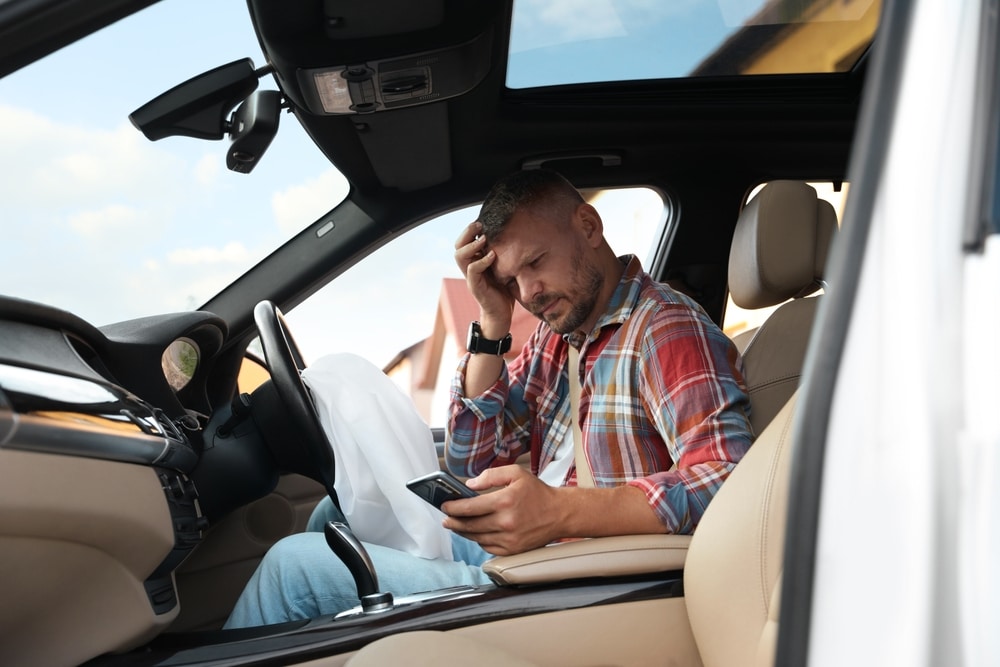
InjuredManUsingSmartphoneNearOpenedAirbagInAutomobileAfter

Living in Schaumburg, Arlington Heights, Palatine, or Elk Grove Village, we all know how busy the roads get, especially near Woodfield Mall, I-90, and Golf Road. Car accidents happen here every day, and while many people focus on the obvious injuries, broken bones, cuts, or bruises, the reality is that some of the most dangerous injuries are the ones you don’t notice right away.

As a personal injury attorney serving Schaumburg and the surrounding communities, I have seen firsthand how hidden injuries can change lives. These are the injuries that show up hours or even days later, often when you think you are in the clear. That delay in symptoms can cost you your health, your ability to work, and in some tragic cases, even your life.

I want to explain why hidden injuries matter, why you should always see a doctor right after a car accident, and what the legal implications are under Illinois law if you wait too long.

Why Hidden Injuries Are So Serious

Your body goes into shock during a crash, flooding you with adrenaline. That rush of adrenaline can mask pain, making you believe you are fine. Hours later, you may develop dizziness, headaches, stiffness, or even internal pain.

Some of the most common hidden injuries include:

  • Traumatic brain injuries and concussions
  • Internal bleeding
  • Whiplash and neck damage
  • Herniated discs and spinal injuries
  • Soft tissue injuries that limit mobility

The problem is that if you wait to get treatment, not only can the condition worsen, but insurance companies will try to argue that your injuries are not related to the crash.

Illinois Law And Medical Documentation

Under 735 ILCS 5/13-202, the statute of limitations for personal injury cases is generally two years from the date of the crash. While that might sound like a lot of time, waiting to seek medical care gives the defense leverage to argue your injuries came from somewhere else.

Illinois also follows a modified comparative negligence rule (735 ILCS 5/2-1116). If you are found more than 50% at fault, you cannot recover damages. Early medical documentation helps prove that the other driver’s negligence directly caused your injuries.

Your medical records are often the strongest evidence in your case. When I present a claim for my clients, I want to show the insurance company or the court a clear timeline: accident → immediate medical care → diagnosis → treatment. That link is critical.

Protecting Your Health And Your Case

Getting examined right away is about protecting your health first. I’ve represented clients from Rolling Meadows, Des Plaines, and Buffalo Grove who initially thought they were fine after a collision, only to learn days later that they had serious internal injuries.

Seeing a doctor right away also protects your legal rights. If you wait, the insurance company will question whether your injuries are real or connected to the accident. That can reduce or even eliminate your compensation.

As your lawyer, my goal is to make sure you get both the treatment you need and the financial recovery you deserve. But the first step always starts with you getting checked out by a doctor immediately after a crash.

Frequently Asked Questions About Hidden Injuries After A Car Accident In Illinois

What Are Hidden Injuries After A Car Accident?

Hidden injuries are physical injuries that may not show symptoms right away. These include concussions, internal bleeding, spinal injuries, and soft tissue damage. They are dangerous because they can worsen without treatment and may only appear hours or days after the crash.

Why Should I See A Doctor If I Feel Fine After A Crash?

Feeling fine does not mean you are uninjured. Adrenaline often masks pain. Many accident victims experience delayed symptoms such as headaches, neck stiffness, or dizziness. A doctor can perform imaging and exams to detect injuries before they become life-threatening.

How Can Waiting To See A Doctor Hurt My Case?

Delaying treatment creates a gap between the accident and your medical records. Insurance companies will use that gap to argue that your injuries were unrelated to the crash. Under Illinois law, proving causation requires medical evidence, and waiting weakens your claim.

What Is The Statute Of Limitations For Filing A Car Accident Claim In Illinois?

Illinois law requires most personal injury claims to be filed within two years of the accident. While you technically have that time, waiting to seek care or legal help makes your case much harder to prove and can reduce the compensation you receive.

How Does Comparative Negligence Affect Car Accident Cases In Illinois?

Illinois follows modified comparative negligence under 735 ILCS 5/2-1116. If you are more than 50% at fault, you cannot recover damages. If you are less than 50% at fault, your recovery is reduced by your percentage of fault. Early medical records help reduce attempts to blame you for your injuries.

Can Hidden Injuries Lead To Wrongful Death Claims?

Yes. Tragically, hidden injuries like brain bleeds or internal organ damage can become fatal if left untreated. In such cases, family members may pursue a wrongful death claim under the Illinois Wrongful Death Act (740 ILCS 180/1). That is why immediate medical attention is critical after any accident.

Should I Talk To The Insurance Company Before Seeing A Doctor?

No. Insurance adjusters often call quickly and ask if you are injured. If you say no before seeing a doctor, they will use that against you later. Always get medical treatment first and speak to a lawyer before providing statements to insurance companies.

What Compensation Can I Recover For Hidden Injuries?

Compensation in Illinois car accident cases may include medical expenses, lost wages, pain and suffering, loss of normal life, and future treatment costs. Severe injuries may also entitle you to damages for disability or disfigurement. Every case depends on your medical records and the evidence we can present.

Call SJ Injury Law Today To Claim Your Justice

At SJ Injury Law, we have seen how hidden injuries can devastate lives when left untreated. Serving Schaumburg, Arlington Heights, Elk Grove Village, Palatine, Mount Prospect, and across Illinois, we fight for car accident victims and their families every day. With over 50 years of combined experience, our attorneys have recovered millions for injured clients by holding negligent drivers and insurance companies accountable.

If you have been in a car accident in Schaumburg or the surrounding suburbs, don’t wait. Protect your health, protect your case, and call SJ Injury Law. Contact our Schaumburg auto accident attorney at SJ INJURY LAW by calling (847) 434-3555 to receive your free consultation. We serve Schaumburg, Chicago, and all of Illinois.


SJ Injury Law — Claim Your Justice™.

Crucial Steps to Take After a Car Accident in Illinois in 2024

car accidents

Experiencing a car accident can be a traumatic and overwhelming event. Whether it’s a minor fender-bender or a severe collision, knowing what steps to take immediately afterward is crucial for ensuring your safety, protecting your legal rights, and maximizing your chances of receiving fair compensation. Here, we outline the essential steps to follow after a car accident in Illinois in 2024 and explain why it is vital to seek legal assistance from a seasoned personal injury attorney.

Ensuring Safety And Seeking Medical Attention

The first and most important step following a car accident is to ensure the safety of all parties involved. If you are able, move to a safe location away from traffic to prevent further accidents or injuries. Turn on your hazard lights to alert other drivers, and if necessary, use flares or cones to mark the accident scene.

Once you have ensured safety, check for injuries. Even if injuries appear minor, it is essential to seek medical attention immediately. Adrenaline can mask symptoms of serious injuries, and what seems like a minor ache could be indicative of something more severe. Visiting a medical professional not only ensures your health but also provides documentation of your injuries, which is crucial for any subsequent legal claims.

Contacting Law Enforcement

After ensuring everyone’s safety and seeking medical attention, the next step is to contact law enforcement. Reporting the accident to the police is mandatory in Illinois if there are injuries or significant property damage. When the police arrive, they will create an official accident report, which will be invaluable in your insurance claim and any potential legal proceedings. Not reporting the accident to the police could potentially lead to complications with your insurance claim or difficulties in proving fault in a legal dispute.

Be sure to provide accurate and detailed information to the responding officers, but avoid speculating or admitting fault. Stick to the facts as you know them. Request a copy of the accident report, as this document will be crucial when dealing with insurance companies and legal matters.

Gathering Evidence And Information

Collecting evidence at the accident scene is essential for supporting your case. If you are physically able, gather as much information as possible. This includes:

Photographs and Videos – Capture images and videos of the accident scene, vehicle damage, road conditions, traffic signs, and any visible injuries. These visual records can serve as compelling evidence.

Witness Information – If there are witnesses, obtain their contact information and statements. Witnesses can provide an unbiased account of the accident, which can be pivotal in determining fault.

Driver and Vehicle Information – Exchange information with the other driver(s) involved in the accident. This includes names, addresses, phone numbers, driver’s license numbers, vehicle registration details, and insurance information.

Personal Notes – Write down your recollection of the events leading up to, during, and after the accident. Details can fade over time, so recording your thoughts immediately can help preserve critical information.

Notifying Your Insurance Company

Informing your insurance company about the accident is another vital step. Most insurance policies require prompt reporting of accidents, and failure to do so can affect your coverage. Provide your insurer with accurate information, but again, avoid speculating about fault or the extent of your injuries. Not notifying your insurance company could potentially lead to a denial of coverage or difficulties in receiving compensation for your damages.

Your insurance company will guide you through the claims process, which typically involves submitting a claim, providing documentation, and potentially negotiating a settlement. They may ask for additional documentation, such as the police report and medical records. Cooperate fully, but be cautious about settling too quickly, especially if the extent of your injuries is not yet fully known.

Understanding Your Legal Rights And Responsibilities

Illinois follows a fault-based system for car accidents, meaning the driver responsible for the accident is liable for the resulting damages. Determining fault can be complex, involving police reports, witness statements, and accident reconstruction experts. It’s important to note that fault is not always clear-cut and can be disputed, which is why having an experienced attorney can be beneficial.

Being aware of your legal rights and responsibilities is crucial. You have the right to seek compensation for medical expenses, lost wages, property damage, pain and suffering, and other related costs. However, the at-fault driver’s insurance company may attempt to minimize their payout, making it essential to understand the total value of your claim and your legal rights.

Consulting With An Experienced Illinois Car Accident Attorney

Given the complexities involved in car accident cases, consulting with an experienced Illinois car accident attorney is highly advisable. Here’s why:

Legal Guidance – A seasoned attorney understands the intricacies of Illinois car accident laws and can provide valuable guidance throughout the process.

Accurate Valuation of Claims – Determining the true value of your claim requires a thorough understanding of the law and experience with similar cases. An attorney can ensure you seek adequate compensation for all your damages.

Negotiation with Insurance Companies – Insurance companies often aim to settle claims for the lowest possible amount. An attorney can negotiate on your behalf, ensuring you receive fair compensation. Without legal representation, you may be at a disadvantage in these negotiations, potentially leading to a lower settlement.

Legal Representation – If your case goes to court, having an attorney represent you not only increases your chances of a favorable outcome but also provides a sense of security. They can present evidence, question witnesses, and make compelling arguments to support your case.

Peace of Mind – Dealing with the aftermath of a car accident can be stressful. An attorney can handle the legal complexities, providing you with a sense of relief and allowing you to focus on recovery.

Why Choose SJ INJURY LAW For Your Car Accident Case?

When selecting a personal injury attorney, experience and a track record of success are paramount. SJ INJURY LAW stands out as a premier Illinois personal injury law firm with decades of experience in car accident cases. Here’s why you should choose SJ INJURY LAW:

Proven Success

Our firm has a history of securing substantial settlements and verdicts for our clients. We are committed to achieving the best possible outcome for each case.

Personalized Attention

We understand that every case is unique. Our attorneys provide personalized attention, ensuring your specific needs and concerns are addressed.

Comprehensive Legal Support

From initial consultation to final resolution, we offer comprehensive legal support. This includes gathering evidence, negotiating with insurance companies, preparing legal documents, and representing you in court if necessary. Our team is skilled in negotiation, litigation, and everything in between.

Client-Centered Approach

At SJ INJURY LAW, our clients are our top priority. We work tirelessly to protect your rights and secure the compensation you deserve.

Free Consultation

We offer a free initial consultation, allowing you to discuss your case with an experienced attorney at no cost. During this consultation, you can expect to provide details about your accident, ask questions about the legal process, and learn more about how we can assist you with your case.

Call SJ INJURY LAW To Protect Your Valuable Legal Rights

Taking these crucial steps after a car accident can significantly impact the outcome of your case. By ensuring safety, gathering evidence, understanding your legal rights, and consulting with our experienced attorneys, you can navigate the complexities of the aftermath with confidence. Trust SJ INJURY LAW to be your advocate, providing the experience and dedication needed to achieve the best possible results in your case.

If you or a loved one has been involved in a car accident in Illinois, don’t wait to seek the legal assistance you need. Contact SJ INJURY LAW, a distinguished personal injury law firm with a proven track record of success. Our experienced attorneys are ready to provide the guidance and representation you need to secure the compensation you deserve. Contact our car accident lawyer in Schaumburg At SJ INJURY LAW by calling (847) 434-3555 to receive your free consultation. We proudly serve clients throughout Illinois, ensuring that your rights are protected and your recovery is our priority.

Understanding the Legal Implications of Rideshare Accidents in Illinois

rideshare

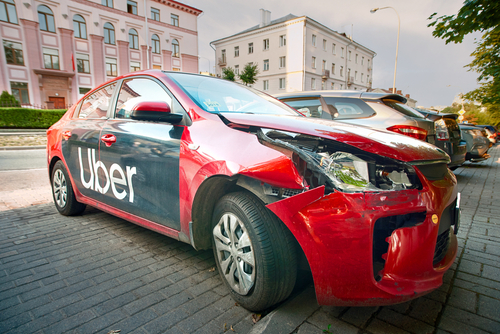
The advent of rideshare services like Uber and Lyft has significantly transformed the urban transportation landscape in Illinois, introducing a new paradigm of convenience and accessibility. This innovative model, allowing passengers to summon a ride with a few taps on a smartphone, has not only reshaped the way we perceive transit options but also introduced a complex web of legal considerations. For Illinois car accident lawyers, passengers, drivers, and policymakers alike, grasping the legal framework surrounding rideshare services is imperative to navigate this evolving terrain effectively.

The proliferation of rideshare platforms in Illinois mirrors a global trend towards shared, on-demand transportation solutions. Initially met with skepticism, these platforms have become ingrained in the urban mobility fabric, offering an alternative to traditional taxi services and public transportation. This rapid growth, however, brings to light significant legal implications, ranging from regulatory compliance and insurance complexities to questions of liability and passenger safety. Understanding these legal nuances is crucial for users and drivers, as it directly impacts their rights, responsibilities, and recourse in the event of disputes or accidents with injuries.

For legal professionals in Illinois, the emergence of rideshare services presents a unique set of challenges and opportunities. The dynamic nature of rideshare operations and the intersection of technology and transportation necessitates a thorough understanding of the state’s legal landscape. This includes familiarizing oneself with the specific regulations governing rideshare services, the insurance frameworks designed to protect drivers and passengers, and the evolving jurisprudence regarding liability and compensation in rideshare-related incidents. As rideshare platforms continue to integrate into Illinois’s transportation ecosystem, staying abreast of these legal dimensions is essential for anyone navigating this space.

Background of Rideshare Services

Rideshare services, epitomized by giants like Uber and Lyft, have rapidly ascended to prominence in Illinois’s transportation landscape. Their ascent from Silicon Valley startups to ubiquitous features of urban life represents a significant shift in how individuals commute, offering unprecedented convenience and flexibility. The foundation of these platforms lies in their innovative use of technology to bridge the gap between passengers in need of a ride and drivers willing to offer one, facilitated through user-friendly mobile applications.

This convenience, however, extends beyond mere user experience, impacting the economic and operational dynamics of traditional taxi services and public transportation. With ease of access and competitive pricing, Rideshare platforms have introduced a potent competitive force into the market, compelling traditional taxi services to innovate and adapt. This competition has sparked debates on regulatory fairness, market dynamics, and the future of urban transportation.

The growth of rideshare services in Illinois is a testament to the changing contours of urban mobility, reflecting broader societal shifts towards digitization and shared economies. However, this transformation is not without its legal implications. Integrating technology into transportation raises questions about regulatory frameworks, safety standards, and the rights of all parties involved. For Illinois, adapting to this new model of transportation means revisiting existing laws and regulations, ensuring they adequately address the unique challenges and opportunities presented by rideshare services.

Regulatory Framework – Transportation Network Providers Act

The legal landscape for rideshare services in Illinois is shaped by a combination of state legislation and local ordinances designed to regulate the operation of these platforms and ensure the safety and rights of both passengers and drivers. At the heart of Illinois’s regulatory approach is the Transportation Network Providers Act, a pioneering piece of legislation that establishes a comprehensive framework for rideshare services operating within the state.

This Act delineates specific requirements for rideshare companies, including licensing, insurance, and driver vetting processes, aiming to create a safe and regulated environment for rideshare operations. It marks a significant step in recognizing and formalizing the status of rideshare platforms within Illinois’s transportation ecosystem, balancing the need for innovation with the imperative of public safety and consumer protection.

In addition to state-wide regulations, local jurisdictions, most notably the city of Chicago, have implemented their own ordinances governing rideshare services. These local regulations often address unique urban challenges, including congestion, environmental concerns, and equitable access to transportation services. The interplay between state legislation and local ordinances creates a multi-layered regulatory landscape, requiring rideshare companies and drivers to navigate a complex web of legal requirements.

Understanding this regulatory framework is crucial for legal practitioners and stakeholders in the rideshare industry. It informs the operational parameters for rideshare services and sets the legal backdrop against which disputes and liabilities are assessed. As rideshare platforms continue to evolve, staying informed about these regulatory developments is essential for ensuring compliance, safeguarding consumer rights, and fostering a sustainable future for rideshare services in Illinois.

Insurance and Liability Issues

The intersection of rideshare services and insurance presents a complex array of legal considerations, particularly in the context of accidents and liabilities. Illinois mandates specific insurance requirements for rideshare drivers designed to protect all parties involved in the event of an incident. These requirements delineate a multi-tiered insurance model, distinguishing between periods when a driver is waiting for a ride request, en route to pick up a passenger, and during the trip itself.

This nuanced insurance framework ensures that coverage is dynamically adjusted based on the driver’s status, providing a comprehensive safety net that encompasses personal insurance policies and additional coverage provided by the rideshare company. However, delineating these coverage phases often raises intricate legal questions, especially when determining liability in ride-sharing vehicle accidents.

Liability in rideshare-related accidents can involve multiple parties, including the driver, the rideshare company, and third parties. Determining liability hinges on a range of factors, including the driver’s status at the time of the accident, adherence to safety protocols, and the extent of the rideshare company’s oversight and control. For Illinois car accident lawyers, navigating these liability issues requires a deep understanding of the state’s regulatory framework and the specific insurance arrangements of rideshare platforms.

Establishing liability and pursuing compensation in the event of a rideshare vehicle accident involves a careful examination of these legal and insurance frameworks. It requires a nuanced approach that considers the unique aspects of rideshare operations, the interplay between personal and company-provided insurance, and the evolving jurisprudence surrounding rideshare services. For individuals involved in rideshare-related accidents, seeking knowledgeable legal guidance is essential for navigating these complexities and ensuring their rights and interests are adequately protected.

Safety Regulations and Measures

Ensuring the safety of both passengers and drivers is a paramount concern for rideshare services, prompting Illinois to implement specific safety regulations governing these platforms. These regulations encompass a range of measures, including rigorous background checks for drivers, vehicle safety inspections, and mandatory safety training. The objective is to foster a secure and reliable transportation environment, mitigating the risks associated with rideshare operations.

Illinois mandates comprehensive background checks for rideshare drivers, screening for criminal history, driving offenses, and other factors that might compromise passenger safety. These checks are a critical component of the vetting process, designed to ensure that only qualified individuals can operate as rideshare drivers. Additionally, regular vehicle inspections are required to maintain high safety standards, ensuring that rideshare vehicles are in good condition and equipped with necessary safety features.

Beyond these preventive measures, Illinois law also provides mechanisms for addressing safety incidents involving rideshare services. Passengers have the right to report concerns or incidents directly to the rideshare company, triggering investigations and appropriate responses. These provisions are part of a broader framework aimed at maintaining a safe and accountable rideshare ecosystem where passengers can trust the integrity and reliability of the services offered.

Staying informed about these safety regulations and measures is crucial for legal professionals and stakeholders in the rideshare industry. They dictate the operational standards for rideshare services and influence the legal landscape in the event of disputes or incidents. As rideshare platforms continue to grow and evolve, ensuring adherence to these safety requirements is essential for protecting all parties involved and upholding the reputation and viability of rideshare services in Illinois.

Employment Classification of Rideshare Drivers

The classification of rideshare drivers as independent contractors or employees is a contentious issue with profound legal implications in Illinois. This classification affects a wide range of factors, including eligibility for benefits, tax obligations, and workers’ compensation. The crux of the debate lies in the degree of control and independence afforded to rideshare drivers, juxtaposed against the operational and policy requirements imposed by rideshare companies.

Like many jurisdictions, Illinois grapples with this issue, balancing the flexibility and autonomy that rideshare drivers value with the protections and benefits typically associated with employee status. The legal determination of a driver’s classification has significant repercussions, influencing their rights to minimum wage, overtime pay, and other employment-related benefits.

The debate over this classification is not merely academic; it has tangible impacts on the lives of rideshare drivers and the operational models of rideshare companies. Legal challenges and disputes in this area are common as drivers seek to assert their rights and companies navigate the complex regulatory environment. For legal practitioners in Illinois, understanding the nuances of this debate is essential for advising clients, whether they are rideshare drivers seeking to understand their rights or companies assessing their compliance and risk management strategies.

Passenger Rights and Protections

Passengers utilizing rideshare services in Illinois are afforded specific rights and protections under state law designed to ensure their safety, privacy, and recourse in the event of disputes or incidents. These protections include transparency in fare pricing, the right to a safe and courteous ride, and mechanisms for reporting concerns or complaints to the rideshare company.

Illinois law mandates that rideshare platforms provide clear and upfront pricing information, allowing passengers to decide their transportation options. Additionally, passengers have the right to expect a certain standard of service, including a clean, safe, and well-maintained vehicle and respectful and professional conduct from their driver.

Illinois provides avenues for recourse when passengers’ rights are compromised or they experience an incident during a rideshare trip. Passengers can report their concerns directly to the rideshare company, which is obligated to investigate and address the issue in accordance with state regulations and company policies. This framework ensures that passengers have a voice and that their concerns are taken seriously, reinforcing the accountability of rideshare services.

For Illinois car accident lawyers and legal professionals, understanding these passenger rights and protections is crucial for advocating on behalf of clients involved in rideshare-related disputes or incidents. Whether addressing issues of safety, service quality, or contractual disputes, a comprehensive grasp of the legal landscape governing passenger rights is essential for effective legal representation.

Impact on Traditional Taxi Services

The ascendance of rideshare services in Illinois has profoundly impacted traditional taxi services, prompting legal, operational, and regulatory challenges. The competitive pressure exerted by rideshare platforms has forced traditional taxi operators to adapt, leading to calls for regulatory reforms that ensure a level playing field.

The taxi legal landscape, historically governed by stringent municipal regulations and licensing requirements, contrasts with the more flexible framework applied to rideshare services. This discrepancy has sparked debates over fairness, market competition, and the future of urban transportation. In response, some jurisdictions in Illinois have begun to reevaluate and adjust taxi regulations, seeking to balance innovation with traditional service models.

The impact of rideshare services on traditional taxis is not solely competitive; it also reflects broader shifts in consumer preferences and transportation technologies. For legal professionals in Illinois, understanding these dynamics is crucial for representing clients within the taxi industry, navigating regulatory changes, and addressing disputes arising from the evolving transportation ecosystem.

Future Legal Considerations

As rideshare services continue to evolve and expand their footprint in Illinois, new legal and regulatory challenges emerge. These include issues related to data privacy, accessibility, environmental impact, and the integration of rideshare with public transportation systems. Anticipating and addressing these challenges requires proactive legal analysis and adaptive regulatory frameworks.

The future legal landscape for rideshare in Illinois will likely be shaped by technological advancements, such as autonomous vehicles, and shifting societal norms regarding transportation and work. Staying ahead of these trends, understanding their legal implications, and crafting thoughtful regulatory responses will ensure that rideshare services continue to serve the public interest while fostering innovation and competition.

The legal landscape surrounding rideshare in Illinois is dynamic and multifaceted, reflecting the complex interconnections between innovation, regulation, and societal needs. For legal professionals and stakeholders in the rideshare industry, staying informed and engaged with these legal considerations is essential for navigating the future of urban transportation in Illinois.

SJ Injury Law: Let Us Help You Claim Your Justice in Your Rideshare Accident!

If you’ve been injured in a rideshare accident, navigating the aftermath can be overwhelming and stressful. That’s where we come in. At SJ Injury Law Firm, our commitment is to offer you tailored legal assistance, ensuring your voice is heard and your rights are upheld. We’re here to guide you every step of the way, ensuring the complexities of legal processes or the tactics of insurance companies don’t stand in the way of your rightful compensation. Contact our Schaumburg rideshare accident attorneys at SJ Injury Law Firm by calling (847) 434-3555 for your free consultation. Let us be your ally to Claim Your Justice.

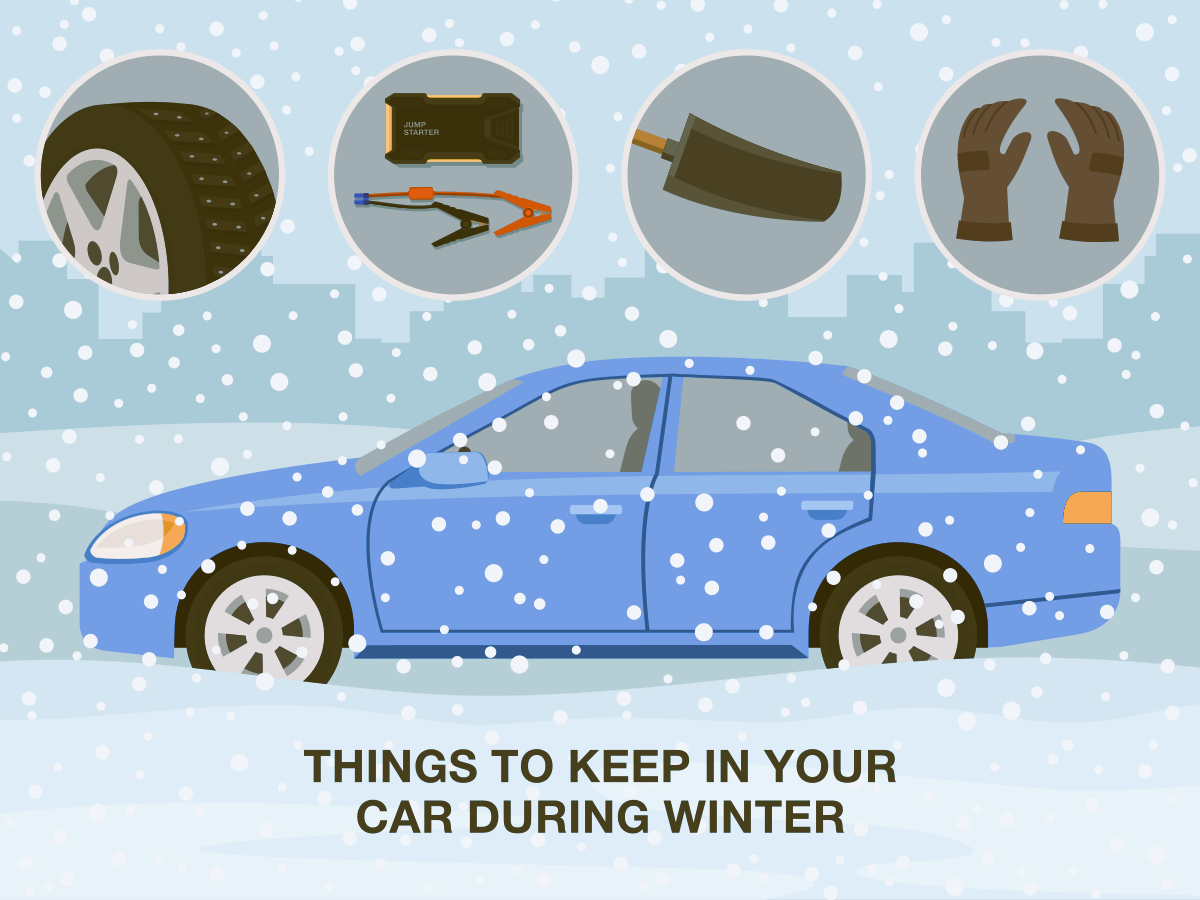
Things You Should Have In Your Car As Winter Approaches

winter safety

Our Arlington Heights personal injury attorneys at SJ Injury Law are all too familiar with the severe auto accidents in our region. These accidents tend to increase in number and severity as winter takes hold. The tips in this article about items to have in your car this winter can help if an accident occurs. If you believe another party caused your car accident, call our Arlington Heights car accident attorney today for legal advice. Just call (847) 434-3555 for an appointment. 

Why Prepare Your Car For Winter?

When ice, snow, and cold weather move into the Chicago area, the prudent driver is prepared for hazardous driving conditions and potential breakdowns. The following items can be helpful if you are driving in slick weather this winter. If you get into an accident, make sure you call an ambulance if there are serious injuries. Then, talk to our Arlington Heights personal injury attorney at SJ Injury Law. You could be entitled to compensation for your injuries.

Ice Scraper

A sturdy ice scraper in your car is necessary to keep the windshield and windows clear of snow and ice. When using your scraper, do not merely clean the windshield; driving with obscured vision out of the side and rear windows is dangerous. Ensure all windows are clear of ice and snow for the most visibility.

Remember, if you have limited visibility and get into an accident, you could be found partially at fault. Even if the other driver may have caused the accident, the Illinois comparative negligence laws can come into play when you did something to contribute to the accident.

Jumper Cables

Cold, Chicago weather is tough on everyone and everything, including your car battery. If your car battery is old, cold temperatures could be enough to leave it dead when needed. Keep jumper cables in the trunk to jump-start your vehicle if needed. If you do not know how to jump your car, call AAA or a mechanic to help.

Also, take your vehicle to a car parts store or mechanic every fall to have the battery checked. You can avoid being stranded in cold weather if you just replace that battery before it fails.

Phone Charger

Sometimes our cell phone is not charged when we need it most. If you are stuck in the snow and cold this winter, you will want to ensure that your cell phone has plenty of power. You can keep extra batteries in your car, or put a small ‘brick’ charger in your trunk. One of these phone chargers can hold anywhere from one to four charges, but make sure that you check it every month and keep it fully charged.

Flashlight And Batteries

The last thing you want is to be stuck in the snow at night without a flashlight. Yes, you can use your cell phone light, but having a larger flashlight and extra batteries in the trunk is better. Having a flashlight is also essential to ensure you are visible to other drivers if you need to walk for help.

Blanket

Have any old blankets in your home? You should stick one in your trunk right away. If you get stuck in the snow, you could run out of gas and be unable to keep the heat running. If that happens, you will get cold quickly in chilly weather. You also can use the blanket to wrap yourself to stay warm if you need to walk for assistance.

Kitty Litter

When Mother Nature dumps ice and snow on the Chicago region, it is wise to have some inexpensive traction in the trunk. Keep a small container of kitty litter in the vehicle to get added traction when needed. Just sprinkle a few handfuls of kitty litter behind the wheels to get you unstuck.

Food And Water

If stranded in the snow, you could have to wait a while for assistance. If the weather is severe enough, the wait could be hours or even a day or more. Keeping non-perishable food and water in the vehicle will be helpful in this situation. For example, you could keep bottled water and granola bars in the trunk.

First Aid Kit

You hope you will not need it, but you could need a first aid kit if you are in an accident and first responders are unavailable. Your kit should have bandages, pain reliever, gauze, disinfectant, and scissors.

Additional Tips For Winter Driving

There are other things to remember to keep you and your family safe when driving this winter:

Full Gas Tank

Imagine being stuck in snowy weather with the temperature plunging toward zero. At this time, you do not want to worry about running out of gas. You should ensure your gas tank is nearly complete every time you leave home in the winter.

Snow Tires

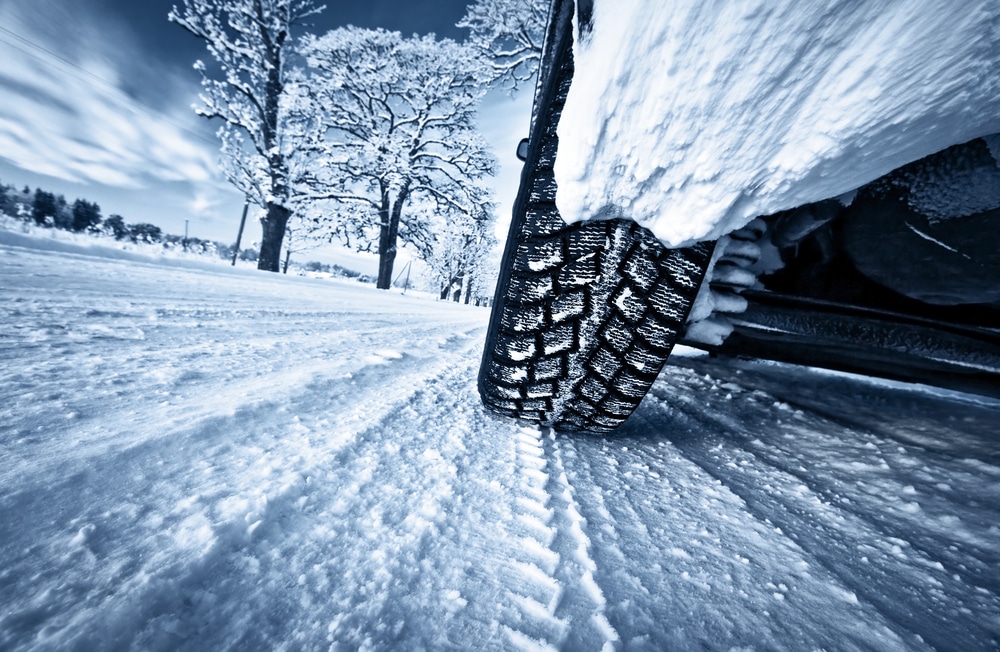
If you are in a part of the region with a lot of snow and ice in the winter, having snow tires on your vehicle can benefit you. Snow tires provide additional traction over all-season tires in wintry weather.

If you cannot or do not want to purchase snow tires, just ensure your all-season tires have plenty of tread. Few things are more dangerous than driving on slippery roads with bald tires. It is never a good idea to save money by driving on old tires.

New Wipers

You should start every winter with a new set of wiper blades. These inexpensive but essential tools can help you avoid a car accident. After all, being able to see the road is the most important thing when driving your car. Most oil change shops will do it if you have difficulty putting blades on.

How Can You Avoid Winter Car Accidents?

The items mentioned in this article can help if you are stuck or in an accident. But how about staying out of the accident to begin with? Here are some tips to avoid accidents this winter:

Eliminate All Driving Distractions

Anything that distracts you from driving increases the chances of an accident. Cell phones, radio, conversations with other passengers, and eating and drinking are all things to avoid when driving, especially in bad weather. When driving in ice and snow, stay focused on your driving to prevent accidents. All it takes is to glance at your text messages; you can be in an accident on slick roads.

Be Gentle With The Brakes

A common cause of winter accidents is when drivers apply the brakes too much. Even with anti-lock brakes in virtually every American vehicle, you can still lose control in bad weather with a heavy brake foot. Any abrupt movement on slick roads can cause weight to transfer and can lead to a loss of control.

You can reduce the chances of skidding or sliding by using light force on the brake pedal. If you have a manual transmission, avoid harsh downshifts so you do not skid.

Check Your Tire Levels

Air in your tires contracts in cold weather, so it is common for tires to lose pressure in the winter. Underinflated tires can reduce vehicle control, so check your tire pressure weekly. When your tires are at their recommended pressures, your vehicle will handle best and offer superior traction.

Leave More Space Behind Other Vehicles

In normal weather, leaving about three seconds between you and the next vehicle is a good rule of thumb. But when the roads are slippery, you should increase the following distances to approximately six seconds. This will allow you more time to slow down or change direction if the car in front slows suddenly.

If another driver is tailgating you, you should go into another lane, not slam on your brakes in frustration. The key to safe winter driving is to take things slow and easy.

Do Not Use Cruise Control

Cruise control is often helpful on long highway drives but should not be used when driving in ice or snow. If your vehicle skids when cruise control is on, the vehicle may continue to accelerate as the car slides. This is hazardous, so you should only use cruise control on dry roads.

Maintain A Safe Speed

Driving at or under the speed limit makes many winter car accidents easily avoidable. The moment you see wet, snowy, or icy weather, immediately decrease your speed and drive more cautiously. Even better: Get off the roads until the roads are clear and dry again.

Speak To An Arlington Heights Personal Injury Attorney Now

If you keep the abovementioned items in your vehicle and follow our safe driving tips, you will be better prepared in winter weather. However, if you suffered a severe auto accident injury in Illinois despite your best efforts this winter, you need immediate legal assistance. 

You should never allow the negligent party to escape their liability. After all, they caused your damages, so they should pay and make you whole. For more information, contact our Arlington Heights personal injury attorney at SJ Injury Law at (847) 434-3555. Our attorneys have years of serious personal injury claim experience and will fight for your legal rights.  

What To Do If You’re In A Multi-Car Accident

multi-car accident

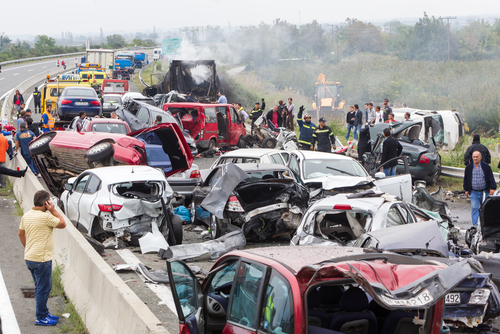
Any car accident with injuries is upsetting and stressful, but a multi-car accident can be even more challenging. Many cars could be involved, severe injuries, multiple insurance policies, and a long list of attorneys and investigators. Anyone in a multi-car accident should not attempt to negotiate a settlement themselves. Instead, if you have been injured in a multi-car accident in the Chicago area, our Rolling Meadows car accident attorney can represent you.  

What Are The Most Common Multi-Car Accidents?

Multi-car accidents occur in many ways. The following are the most common scenarios where these accidents happen:

Head-On

When a car going in the opposite direction slams into your vehicle, that is a head-on collision. Sometimes the negligent driver will slam into another car head-on, bounce off, and then hit more vehicles. Head-on crashes are less common than others but are one of the deadliest.

Rear-End

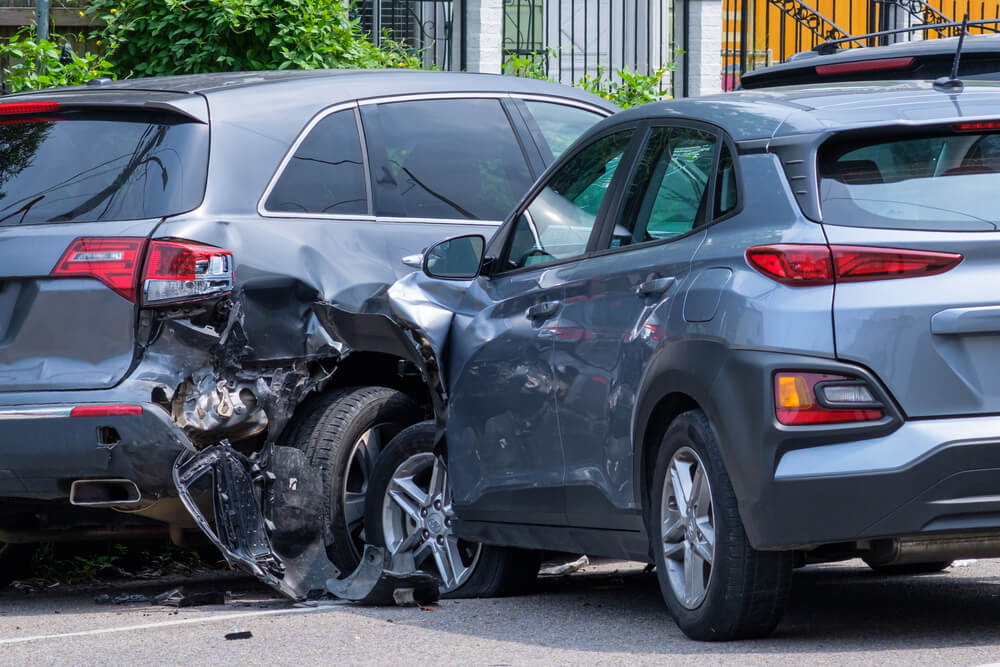
A rear-end crash happens when a driver hits another from behind, usually in stopped traffic or at a red light. The rear-end crash can cause a chain reaction of several vehicles hitting each other.

In a rear-end, multi-vehicle crash, the fault usually lies with the first driver who hit another driver from behind. However, there are occasions where the driver in front is at fault, such as if they slam on their brakes suddenly for no reason or were following too closely.

Pile-Up

A pile-up crash involves three or more vehicles, frequently crashing together or lying on top of one another. Multi-vehicle pileups may happen in bad weather, such as fog. Drivers on the highway in the fog may not see each other when traffic slows, causing many cars to hit and pinball off of each other.

Establishing fault in a pile-up collision is complicated, and your case will be aided by retaining a personal injury attorney quickly. Your attorney may rely on eyewitness accounts, dash cameras, security camera footage, and other evidence to establish fault.

Side Impact

Side-impact crashes occur when a car hits the side of one or more other cars. These multi-vehicle crashes often happen because of failure to yield at a red light or stop sign.

What Must Be Proven To Receive Compensation In A Multi-Car Accident Claim?

While anyone hurt in a multi-vehicle accident in Rolling Meadows deserves money for their losses, only those who prove another party was responsible are eligible for compensation. To prevail in multi-vehicle accident litigation, you must prove the following elements:

There Was A Duty Of Care

First, as the plaintiff, you must prove that the other party owed you a duty of care. For instance, in a multi-car accident at an intersection, the duty of care could be that another driver owed you a duty of care not to run the red light.

The Duty Was Breached

Second, you must prove that the defendant breached their duty of care. In the example above, the breach would be the driver who ran the red light and hit your and other vehicles. The breach could be proven in many ways, such as red-light camera video, tire marks on the road, and eyewitness testimony.

In most accidents, breaching the duty of care constitutes negligence, the failure to exercise the same duty of care that another person typically would in the same situation. In the red-light example, another prudent driver in the same situation would likely have stopped at the red light, as the law requires.

Causation

Next, you must prove that the defendant’s negligence was the cause of your injuries. So, if the defendant ran the red light, hit your driver’s side door, and broke your arm, you must show that that negligent action caused the injury.

Damages

Last, you must show that the driver’s negligence caused damages. If you broke your arm, have $10,000 in medical expenses and $5,000 in lost wages, those are two elements of damages that you can be reimbursed for in a claim or lawsuit.  In addition, you are entitled to pain and suffering, disfigurement and lost wages.  

What To Do After A Multi-Vehicle Accident

After any car accident with injuries, there are essential steps to follow. In a multi-vehicle accident, you should do the following:

  • Check the injuries of everyone and call 911 if necessary.
  • Call law enforcement and request they come to the scene and complete a report.
  • Take photos and video of the crash scene and involved vehicles before they are moved by law enforcement. Your attorney will collect evidence later, but gathering this information after the accident could help with your case.
  • Move to an area safe from traffic so there is not another accident.
  • Get prompt medical attention to ensure your health and to provide strong evidence that your injuries are related to the accident. 
  • Call your auto insurance company and report the multi-vehicle accident.
  • Speak to a car accident attorney to determine who may be at fault.

What Causes Most Multi-Car Accidents?

There are many reasons that multi-vehicle accidents happen. Your attorney and their crash investigators may look for one or more of the following as a cause of the accident:

Bad Weather

Approximately six million car accidents happen in the US annually, and 20% are because of bad weather. Even if bad weather, such as rain, fog, or snow, causes an accident, one or more drivers could still be liable. For example, a driver who speeds on a snowy road in Chicago and hits another vehicle could be found at fault.

Alcohol Consumption

Drinking alcohol causes many car accidents, with about 30% of traffic-related deaths between 2004 and 2018 attributed to drunk driving. Consuming alcohol affects reflexes and decision-making, so you should always refrain from driving. Anyone drunk in a multi-car accident can face both criminal and civil consequences.

Time Of Day

The most dangerous time to drive is in the evening, with about 50% of deadly crashes happening in the dark. There are often more cars on the roads in the evening after work, and reduced visibility also could be a factor.

Reckless Driving

People who drive recklessly make hazardous decisions when they are driving that affect others’ safety. For example, a driver who wants to pass on a two-lane road may do so on a curve in limited visibility, which may cause a severe multi-vehicle crash.

Not every form of reckless driving is because someone is impatient or aggressive. Did you know that distracted driving is also reckless driving? Over 3,100 people died in car accidents in 2020 because of reckless driving.

Comparative Negligence In Illinois

Illinois has a comparative negligence law for determining fault after auto accidents. This means you can recover damages in a car accident only if you are less than 50% liable for damages or injuries. 

In a multi-vehicle accident, more than one driver could be at fault, so many investigators and insurance companies could be involved in determining who is responsible for how much of the accident. During insurance negotiations, the insurance company for the at-fault driver will make a settlement offer based on what they think their insured’s negligence is.

How Fault Is Determined In A Multi-Vehicle Accident

Determining fault when more than two vehicles are involved requires thoroughly examining all crash evidence. If more than one person is blamed for what happened, their insurance providers will typically be financially responsible for the injured party’s losses.

Police responding to the accident scene often initiate the process of determining fault. The police could interview eyewitnesses, drivers, and passengers. They also may check dash cam videos and phone footage anyone involved shares. Some Chicago-area intersections have camera footage that helps determine fault.

As evidence is collected, law enforcement uses the information to see how the accident unfolded until they may decide how the accident happened. Insurance companies for the involved drivers will also review the crash evidence to determine liability. 

The multi-vehicle crash case is assigned to insurance adjusters who study the evidence to decide liability. If it is determined that a driver is liable, their insurance will usually pay for them based on the policy terms and other factors. If an at-fault driver does not have insurance, they may have to cover the losses out of pocket.

Why Is Assigning Blame For A Multi-Car Accident Important?

Determining who is to blame for the multi-vehicle crash matters because Illinois has a comparative negligence system for its car accident laws. In most situations, the at-fault driver’s auto insurance is financially liable for your damages and injuries. In some two-car accidents, determining fault may be easier than when many more vehicles were involved.

For example, understanding who was initially at fault can become a highly complex puzzle in a classic multi-car pileup on an interstate in the fog. Only insurance companies, personal injury attorneys, law enforcement, and other stakeholders can make the complex determinations required to assign blame in these complex accidents. 

Ensure that an experienced personal injury attorney represents you after you are involved in a multi-vehicle accident. That is the best way to ensure that your rights are protected and that you receive the compensation you deserve.

Contact Our Rolling Meadows Car Accident Attorneys

After a multi-car accident, you will probably be confused, stressed, and uncertain about who to blame. That is when you should retain a personal injury attorney. At SJ Injury Law, our Rolling Meadows car accident attorneys may help you receive compensation for your injuries, so call (847) 434-3555.

What Causes Most Car Accidents In Illinois?

car accident

The National Highway Traffic Safety Administration (NHTSA) reports that auto accidents are a leading cause of fatalities in the US. Sadly, serious motor vehicle accidents are also common in Illinois. Illinois has some of the busiest interstate highways in the US, and Illinois saw 295,604 auto accidents in 2021 alone and 1,341 fatalities.

This article contains essential information about the causes of Illinois car accidents. If you were recently seriously injured in a car accident caused by another person, call NOW our Rolling Meadows car accident attorneys at SJ Injury Law for legal help.

Key Illinois Car Accident Data From 2019

The Illinois Department of Transportation released a report recently for 2019 about car accidents in the state. Some of the key findings are:

  • There were 312,988 motor vehicle accidents in Illinois in 2019, and 20.4% resulted in injuries (63,834), while there were 938 fatalities.
  • Crashes involving pedestrians were 1.5% of all 2019 crashes in Illinois.
  • Crashes involving cyclists were less than 1% of all crashes.
  • 89,133 people were injured in Illinois auto accidents in 2019, and 9,685 had significant, incapacitating injuries.
  • The most crashes in 2019 occurred on Fridays – 45,230 – and the days with the least were Sundays – 31,608.
  • 138 motorcyclists died in motor vehicle accidents in 2019.
  • Speed-related crashes were 33.4% of all accidents and 39.2% of fatal accidents.
  • Crashes involving commercial trucks were 3.8% of all motor vehicle accidents and 10.7% of fatal accidents.
  • Crashes involving deer were 5.2% of all 2019 crashes.
  • 80% of fatal motor vehicle accidents occurred on dry roads.
  • 49.7% of fatal accidents happened in the daytime.

Driver Fatigue

Drowsy driving is one of the most common causes of Illinois car accidents. Being tired behind the wheel can lead to impaired reaction time, judgment, and situational awareness, all of which increase the chances of an accident. Fatalities from drowsy drivers led to 633 fatal crashes in Illinois in 2020 alone.

Speeding

Speeding is another common reason for severe and fatal accidents in Illinois. Drivers who travel above the speed limit are much more likely to be in serious accidents. When cars are traveling too fast, it takes longer to stop, leading to deadlier and more devastating crashes.

Impaired Driving

Drunk driving has been pinpointed as one of Illinois’s top causes of fatal auto accidents. This means driving a motor vehicle in the state with a BAC of .08% or higher, but impaired driving also can be caused by drugs with equally deadly effects. Also, the NHTSA reports that approximately 50% of fatal auto accidents in the state involve alcohol. In Illinois, there were 1,194 fatal car accidents because of impaired driving.

Distracted Driving

Distracted driving is also a serious cause of accidents in Illinois. This refers to any activity that takes one attention from driving and includes texting and driving, talking on a cell phone, eating, drinking, changing the radio, and talking to passengers. Distracted driving can be just as dangerous as DUI and has been identified as a severe risk in Illinois for years.

The NHTSA reports that distracted driving from cell phones was a factor in almost 30,000 accidents with injuries nationally. The situation is even grimmer in Illinois, with 20% of fatal accidents related to driver distractions.

Hazardous Road Conditions

Dangerous conditions on Illinois roads are also a significant cause of accidents. Many roads in the region are not maintained as well as they could be, leading to obstructions and obstacles. These accidents also happen often in construction zones in the Chicago region.

Common Types Of Car Accidents In Illinois

It is also essential to know the most common types of car accidents in the state. By understanding the types of accidents that happen the most, it might be possible to avoid many incidents:

Rear End Crashes

Rear-end collisions are the most common auto accident in the US, with more than 40% of annual crashes caused by this type. A rear-end crash happens when a vehicle hits the car in front of it. These types of crashes are more likely to involve multiple vehicles when the car in front strikes the one in front of it. Many rear-end crashes can be avoided by avoiding distracted driving, including texting and driving.

Head-On Crashes

Head-on crashes are prevalent in rural areas of Illinois on two-lane roads. Some drivers try to pass traffic and misjudge the speed at which oncoming traffic travels. Head-on crashes caused 10.2% of all fatal auto accidents in the US in 2016.

A head-on crash happens when the front of one car slams into the other’s front end. This kind of crash also occurs when a driver enters a one-way street in the wrong direction. Most of these accidents are severe because of the combined speed of the involved vehicles.

T-Bone Collisions

At busy Chicago intersections, one car may not stop when it should, which causes a T-bone collision. Side impact crashes are common across the country and can be deadly because the doors of vehicles do not have as much ability to absorb impact as the vehicle’s front and rear.

Sideswipes

Sideswipe accidents happen when two cars going in the opposite or same direction contact each other. For example, one car may rub against the side of a vehicle that is parked on the side of the road, or a moving car in the next lane. Sideswipe accidents also are common between a moving car and stationary objects, such as trees or telephone poles.

Turning Accidents

Left-turn accidents are common in Chicago when the turning vehicle must yield to oncoming traffic. This maneuver requires the driver to judge the oncoming vehicle’s speed, and accidents often result.

Right-turn accidents are less frequent, but can happen between pedestrians and vehicles, especially at unusual intersections. These Chicago intersections include Stony Island, South Chicago, 79th Street, Irving Park, Milwaukee, and Cicero. In addition, when the right turn is not at a standard 90-degree angle, confusion can lead to crashes.

Illinois Car Accident FAQ

You may have many questions if you have been in a car accident in Illinois. Below are some of the most common car accident questions we receive:

When Should You Contact A Car Accident Attorney?

If you are in an accident with injuries, it is wise to contact us at SJ Injury Law as soon as possible. We will investigate the accident and determine if you have a claim.

Should I Go To The Doctor After A Car Accident?

It is always smart to be checked by a doctor after a car accident. It can take a few hours or even days for your injuries to become apparent. If you wait, the insurance company may argue that your injuries are unrelated to the accident. One goal of SJ Injury Law is that you receive all the medical treatment necessary for your injuries.

What If The Other Driver Does Not Have Insurance?

In Illinois, drivers are required to have insurance for underinsured or uninsured motorists. If the other driver is uninsured, your attorney can help you file a claim with your insurance company.

What If I Was Partially At Fault For The Car Accident?

Illinois is a comparative negligence state, so you can still file a claim against the other driver if you were less than 50% liable for the accident. However, you are barred from a financial recovery if you are more than 50% responsible.

What Is The Statute Of Limitations For Filing A Car Accident Lawsuit?

In Illinois, you have two years from the accident date to file a lawsuit for personal injuries. The limit is five years for a property damage lawsuit. If a person younger than 18 years old is injured, special rules apply. Call SJ Injury Law at (847) 434-3555 to protect your rights.

When Are You Required To File A Crash Report In Illinois?

The law requires a driver to file a crash report for a death, bodily injury, or a minimum of $1,500 of property damage if all drivers were insured. The minimum is $500 for property damage if only one driver is insured.

What Are The Minimum Auto Insurance Requirements In Illinois?

In Illinois, you must have liability insurance to drive a motor vehicle in these amounts: $25,000 for a single person’s injury or death, $50,000 for more than one individual’s injury or death, and $20,000 for property damages.

Who Can Be Held Responsible For My Injuries?

Any individual, company, or governmental entity that was negligent and caused you harm in a car accident can be held responsible. In most cases, the negligent driver is liable for the harm caused, but their employer could also be responsible if the driver was working during the accident.

Can I Sue Someone Personally For My Car Accident Injuries In Illinois?

Most car accident claims and lawsuits are settled with the insurance company representing the liable driver. This benefits many accidents because the case can be concluded faster with an insurance settlement than a civil lawsuit against the responsible driver. However, lawsuits are possible if you have serious injuries or the insurance company offers a minimal settlement. Your car accident attorney at SJ Injury Law will review the case to determine if filing a personal lawsuit is in your best interest.

Contact Our Rolling Meadows Car Accident Attorneys Today

If you were hurt in a car accident in Illinois, you could be saddled with medical bills and out of work. However, when another party causes the accident, our attorneys can help. Please contact our Rolling Meadows car accident attorneys at SJ Injury Law at (847) 434-3555.

How To Prepare Your Car or Truck For Illinois Winter Weather

winter weather

No matter how warm and sunny the weather is in Illinois, eventually, the weather turns cold, and the snow flies. The best time to prepare your car or truck for winter is before the bad weather hits. Then, when your car or truck is ready for snow and ice, you have a better chance of avoiding accidents.

Below are critical tips for winter weather accident preparation to keep you and yours safe. Contact our Palatine car accident attorneys at Claim Your Justice for legal assistance if you are in a car or truck accident with injuries.

Why Prepare Your Car or Truck For Winter?

The Federal Highway Administration reports that at least 1,000 people die on icy or snowy roads in car accidents. In addition, approximately 25% of all weather-related car accidents happen on snowy and icy streets. This means that at least 70% of all American roads are in snowy parts of the country, and 70% of our population lives in these regions.

In addition, Illinois has had approximately 287,000 winter car or truck wrecks since 2006. There are 28,000 winter car or truck accidents per year in the state, as well. That is a lot of accidents, so having your car or truck ready for winter is a smart bet.

Check Your Tires

There is no doubt about it: The most critical winter weather accident preparation tip is to check those tires. Bald tires and icy, snowy Illinois roads do not go together. Slick tires make it harder to stop and reduce your car’s stability on wet roads.

Most states have a minimum tread depth standard of 2/32”. However, tire tests show that traction falls off dramatically when your tires have less than 4/32” of the tread. Many drivers try to squeak by in winter on slick tires, but you are taking a significant risk and can suffer a serious injury. Sliding and smacking a curb at only five miles per hour can cause at least $1,500 in damage.

If your tires are marginal, you should always replace them before winter hits. Sure, everyone wants to save money. But driving around on bald tires on wet, snowy and icy Illinois roads can get you in a nasty car accident.

Consider Winter Tires

Tires are vital to driving safety. So, if your area is snowy and hilly, consider winter tires to keep you on the road and moving. Many vehicle safety systems are useless without winter tires in heavy snow and ice.

Winter tires offer superior stopping distances, added traction, and clear the way through that heavy snow and slush. In addition, a winter tire always provides the best grip when the winter weather is the worst.

Replace The Windshield Wipers

Changing your windshield wipers every 6 to 12 months is always advisable. If you notice streaks on the windows, you should replace them. Many drivers do not realize how hazardous it is to have old windshield wipers in lousy weather. Poor visibility leads to many car and truck accidents.

Replacing windshield wipers is fast and inexpensive, so put it at the top of your winter weather accident preparation checklist! Also, top off your windshield wiper fluid. Illinois roads are often covered with snow, slush, and road salt. Keep your windshield clean for the best visibility.

Prepare A Car Emergency Kit

Whether it is an accident or you are snowed in, it is always prudent to assemble an emergency kit before winter hits. Put these items in your car or truck when the weather turns cold:

  • Blanket
  • Boots and gloves
  • Food, water, and candles
  • Ice scraper
  • Small snow shovel
  • Flashlight with extra batteries
  • Flares
  • Jumper cables
  • First-aid kit
  • Sand, salt, or kitty litter for extra traction

Check The Battery

Cold Illinois winters can be tough on your car battery. First, batteries tend to die because of the extra strain the cold weather puts on them. Also, because of thicker motor oil, car engines must do more work in cold weather.

Have an automotive parts store check your car or truck battery every winter. Make sure there is not any corrosion on the positive or negative terminals. A reputable car care professional can tell you if the battery needs to be replaced.

Check The Cooling System

It is recommended to flush and refill the radiator every year. Also, check the coolant level and concentration before winter starts. The standard recommendation is 50/50 antifreeze and water.

Check The Brakes

If your brakes squeak, get them checked before the snow flies. Winter has many wet and icy days, leading to rust that can damage the brake pads and rotors. Also, salted streets are hard on car and truck brakes.

Many car experts say drivers should have the brakes checked before and after winter. We all use our brakes heavily in lousy weather, so it is always wise to ensure they are in peak condition.

Remember, you can avoid many car accidents by never slamming on the brakes on a wet road. Today’s vehicles are equipped with anti-lock brakes, so steady pressure is the way to go. Hitting the brakes too hard can cause a skid and a severe auto accident.

Carry Glycerin In The Trunk

This is for unfreezing door locks, which can be a significant problem in freezing weather. It can break off if you try to force the door open with a standard key. Glycerin is quite effective for deicing and can be found in any auto parts store.

Check The Vehicle Exterior

You should check the outside of the vehicle to ensure the headlights and other lights are working. Many automotive experts recommend cleaning the exterior light lenses annually. Replace any brake lights that are burned out.

Keep The Gas Tank Full

You should always have a full tank of gas when driving in the winter. If there is too much space in the gas tank, moisture accumulates. This will dilute the gasoline and stress your car’s motor and pumps. In addition, if the moisture freezes, it can cause severe damage. Keeping a full tank also reduces the chances of being stranded in freezing weather.

Check The Tire Pressure

It is vital to keep track of tire pressure when temperatures plunge. Tire pressure drops dramatically with air temperature. You can lose as much as 1 PSI with every 10-degree loss of temperature.

Driving around on wet roads with low tire pressure will wear the tires out faster. It can even cause tread separation in a car accident. Further, tires do not perform as predictably when they are under-inflated.

If you check tire pressure and find at least one is low, get them filled for free at a gas station. Then, when the weather warms in spring, let a pound or two of air out.

Car Accident Liability In Snow Or Black Ice

Keeping your car or truck in top condition when winter weather hits reduces your chances of an accident. However, what happens if you are in a crash in snow or on black ice? Who is to blame?

Car and truck accidents due to black ice or snow usually involve several vehicles and severe injuries. This means several crash investigations and auto insurance policies. This is why when you are injured in an accident you should call the injury attorneys at https://claimyourjustice.com This situation is where you want to have a Palatine car accident lawyer representing your interests. We know how to investigate your injury case and then negotiate with insurance companies, especially when liability is uncertain.

Everything depends on the details of the winter accident. For example, if another car slid on black ice and slammed into you at a stop light, you may get compensation from your policy’s personal injury protection. Or, your attorney may file a claim with the other driver’s policy.

Many drivers are shocked to discover they still may be liable if they are in a car accident during a blizzard. Of course, your insurance should take care of the problem if it is a single-vehicle accident. But when you slide into another car, you cannot blame the weather. We all have a legal obligation to drive safely in all conditions.

Some drivers argue they should not be liable if they lose control in the snow. However, every driver knows the risks of driving in snow and ice. Illinois law requires you to drive safely no matter what. Fortunately, having your car in tip-top shape as winter approaches reduces your odds of a fender bender or worse.

Contact Our Palatine Car Accident Lawyers Today

If you have been in a severe car accident, you could have thousands or tens of thousands of dollars of medical bills you cannot pay. Perhaps you cannot work and are disfigured or in substantial pain from the accident. How will you recover and survive financially? There is help available.

Our Palatine car accident lawyers fight tirelessly for our clients’ legal and financial rights. As a result, we regularly win impressive recoveries for car and truck accident victims in Illinois. Whether you have a back injury, head trauma, or broken bones, we can get you the compensation you need to regain your health.

Claim Your Justice attorneys also serve the communities of Hoffman Estates, Mount Prospect, Rolling Meadows, Grove Village, Schaumburg, Hanover Park, Arlington Heights, and Oak Streamwood and clients in Wisconsin, and Kentucky. Please contact Claim Your Justice at 847-434-3555 to receive justice in your car or truck accident case.

Disclaimer

This information is not intended to be legal advice. You should consult an attorney for advice regarding your individual situation. We invite you to contact us and welcome your calls, letters, and electronic mail. Contacting us does not create an Attorney-Client relationship. An Attorney-Client relationship is created when you sign a written agreement with our law firm. Please do not send any confidential information to us until such time as an Attorney-Client relationship has been established.