Failure-To-Yield Motor Vehicle Accident Claims In Schaumburg

Failure-To-Yield Motor Vehicle Accident Claims In Schaumburg

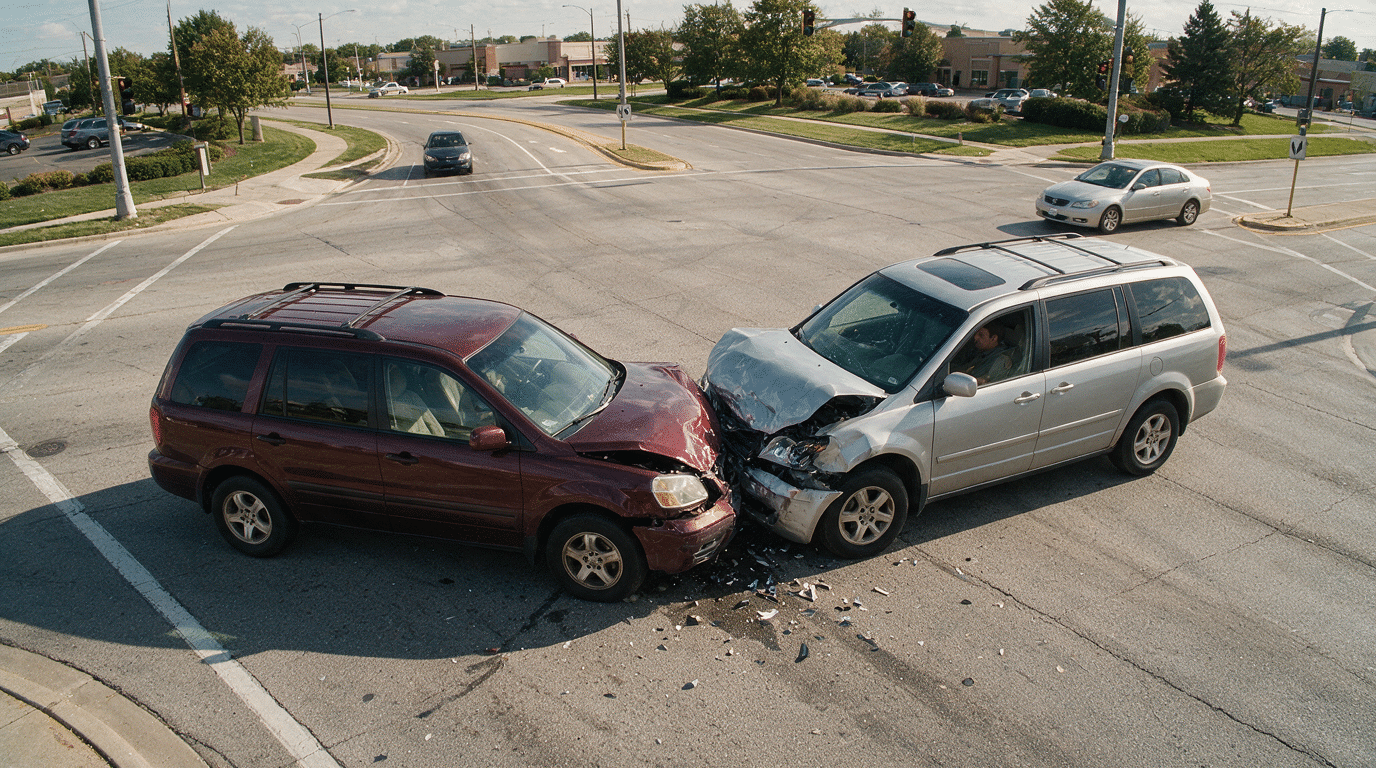
Failure-to-yield accidents can happen quickly, but figuring out who is responsible often takes a close look at traffic laws, how vehicles moved, what witnesses saw, and physical evidence. In Schaumburg, drivers often travel through busy intersections, shopping areas, highways, neighborhoods, and business districts. If a driver enters traffic too soon, it can lead to a serious crash.

Roads like Golf Road, Higgins Road, Schaumburg Road, Barrington Road, Roselle Road, and Route 53 see a lot of local and commuter traffic, so drivers often need to decide who has the right-of-way. Turning left in front of another car, entering an intersection without yielding, pulling out of a parking lot, or ignoring a yield sign can leave other drivers with no time to react. When I handle a failure-to-yield claim, I look at more than just the crash itself. I focus on which driver was supposed to wait, whether they failed to do so, and how that led to my client’s injuries.

What Does Failure To Yield Mean Under Illinois Law?

Illinois traffic law establishes right-of-way rules for many common driving situations. Under 625 ILCS 5/11-901, when two vehicles approach or enter an uncontrolled intersection from different roadways at approximately the same time, the driver on the left generally must yield to the driver on the right. Illinois law also contains specific rules governing T-intersections, left turns, stop signs, yield signs, entering roadways, pedestrians, and other situations in which one road user must permit another to proceed first.

A particularly important rule applies to left turns. Under 625 ILCS 5/11-902, a driver intending to turn left at an intersection or into an alley, private road, or driveway must yield to oncoming traffic that is close enough to constitute an immediate hazard. The turning driver may proceed after yielding when there is a safe interval.

These rules matter in personal injury cases because they show what a careful driver should have done before the crash. Even if a driver broke a traffic rule, I still need to prove all parts of a negligence claim. Still, showing that a driver broke a right-of-way rule can be very helpful when I am proving who was at fault.

Left-Turn Accidents Are A Common Form Of Failure-To-Yield Collision

A common and serious failure-to-yield situation happens when a driver tries to turn left across oncoming traffic. The oncoming driver may be going straight through the intersection when another car suddenly turns in front of them. Depending on how fast and how close the cars are, the oncoming driver may have only a few seconds to react.

These crashes often cause serious injuries. The front of one car may hit the side of the turning car, or the turning car may hit the side of the other vehicle. Side impacts can lead to head injuries, shoulder injuries, broken bones, spinal injuries, internal injuries, and other major trauma.

Insurance companies sometimes attempt to shift responsibility by claiming that the approaching driver was speeding, distracted, or could have stopped sooner. I examine the available evidence to determine whether those arguments are supported. Insurance companies may try to blame the approaching driver by saying they were speeding, distracted, or could have stopped in time. I look at all the evidence to see if these claims are true, instead of just accepting what the insurer says happened. When a driver pulls directly into the path of approaching traffic, it can still cause a serious failure-to-yield accident.

Uncontrolled intersections can create additional disputes. Illinois law generally requires the driver on the left to yield when vehicles approach from different roads at approximately the same time, although other right-of-way rules may apply depending on the type of roadway and traffic controls present.

When both drivers insist they had the right-of-way, physical evidence can become especially important. Vehicle damage, final resting positions, skid marks, roadway markings, photographs, video recordings, witness statements, and electronic vehicle data may help reconstruct how the collision happened.

Drivers Pulling Out Of Parking Lots And Shopping Centers

Schaumburg’s extensive retail and commercial areas create another common setting for failure-to-yield crashes. Drivers frequently enter busy roads from shopping centers, restaurants, office complexes, gas stations, apartment developments, and other private property.

A driver attempting to enter moving traffic must wait until there is sufficient space to do so safely. Problems arise when someone misjudges an approaching vehicle’s speed or attempts to force their way into traffic. A motorist already traveling on the roadway may have nowhere to go when a vehicle suddenly appears in front of them.

These crashes can also affect pedestrians, bicyclists, and motorcyclists. A driver focused primarily on finding a gap between cars may fail to notice a person walking across a driveway entrance or a cyclist traveling alongside the roadway.

Failure To Yield Can Cause Pedestrian And Bicycle Accidents

Right-of-way cases are not limited to collisions between two automobiles. Pedestrians and cyclists are particularly vulnerable when motorists fail to look carefully before turning or entering an intersection.

A driver may begin a right turn while concentrating on vehicles coming from the left and fail to notice a pedestrian crossing from the right. Another motorist may turn left across an intersection without seeing a cyclist traveling through the crossing area. Because pedestrians and bicyclists have little physical protection, even a relatively low-speed collision may cause fractures, traumatic brain injuries, spinal injuries, internal injuries, or permanent disability.

When I handle these cases, I examine traffic controls, pedestrian signals, crosswalk markings, sight lines, vehicle speed, lighting conditions, and the actions of everyone involved. The question is not simply whether the injured person was present in the roadway. The key issue is whether the driver exercised reasonable care and complied with the right-of-way obligations that applied at that location.

How I Prove A Driver Failed To Yield

The strongest failure-to-yield claims are built from evidence rather than assumptions. Police reports can provide useful starting information, but I do not treat the investigating officer’s report as the complete case.

Photographs may establish vehicle positions and impact points. Surveillance cameras from nearby businesses, homes, parking facilities, or intersections may capture the crash or the moments immediately before it. Dash cameras can provide direct evidence of which vehicle entered the intersection first or whether a driver turned across approaching traffic.

Witness statements can also be significant, particularly when each driver gives a conflicting account. Electronic vehicle data may provide information concerning speed, braking, throttle position, and other vehicle activity shortly before impact. Medical records then help connect the collision forces with the injuries and treatment that followed.

The earlier this evidence is identified, the greater the chance that it can be preserved before footage is erased, vehicles are repaired, or witnesses become difficult to locate.

Comparative Fault Can Become An Important Issue

Illinois follows a modified comparative negligence system. Under 735 ILCS 5/2-1116, an injured plaintiff generally cannot recover if the plaintiff’s contributory fault is found to be more than 50 percent of the proximate cause of the injury. When the injured person is 50 percent or less at fault, damages may still be recovered, but the award is reduced by the percentage of fault attributed to that person.

This rule gives insurance companies a powerful reason to argue that an injured driver shares responsibility. Even when their insured clearly failed to yield, an insurer may claim that the other driver was speeding, distracted, following too closely, or failed to take evasive action.

For example, if damages were determined to be $200,000 and an injured driver was found 20 percent responsible, the recoverable amount could be reduced according to that allocation of fault. This is why establishing the sequence of events and responding to unsupported allegations of comparative negligence can materially affect the outcome of a claim.

Injuries From Failure-To-Yield Accidents Can Be Serious

Failure-to-yield crashes often occur at intersections where vehicles strike each other at substantial angles. The resulting forces can cause injuries that require months of medical treatment or create permanent limitations.

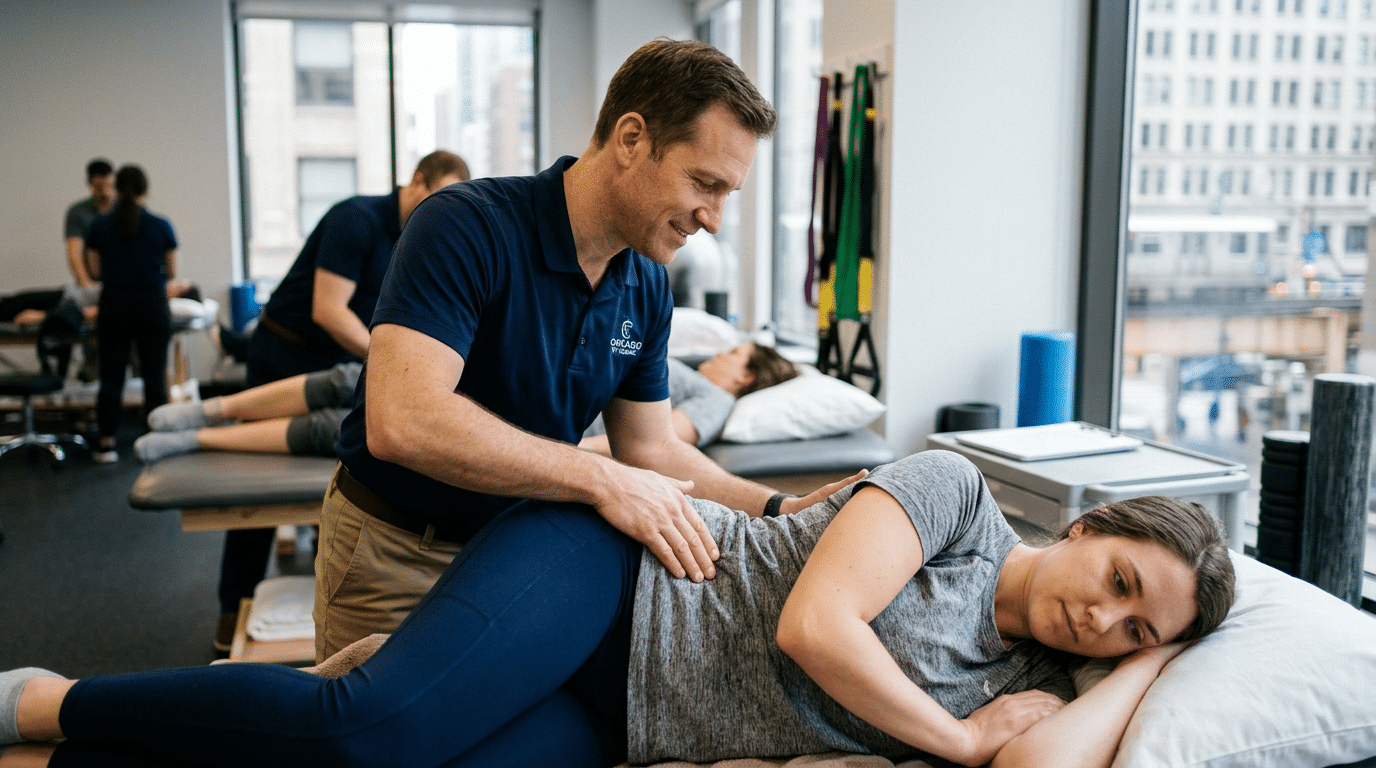
I frequently evaluate claims involving herniated or bulging discs, traumatic brain injuries, concussions, shoulder tears, knee injuries, fractures, nerve damage, spinal injuries, and chronic pain. Some clients require surgery, physical therapy, injections, occupational therapy, or long-term medical care.

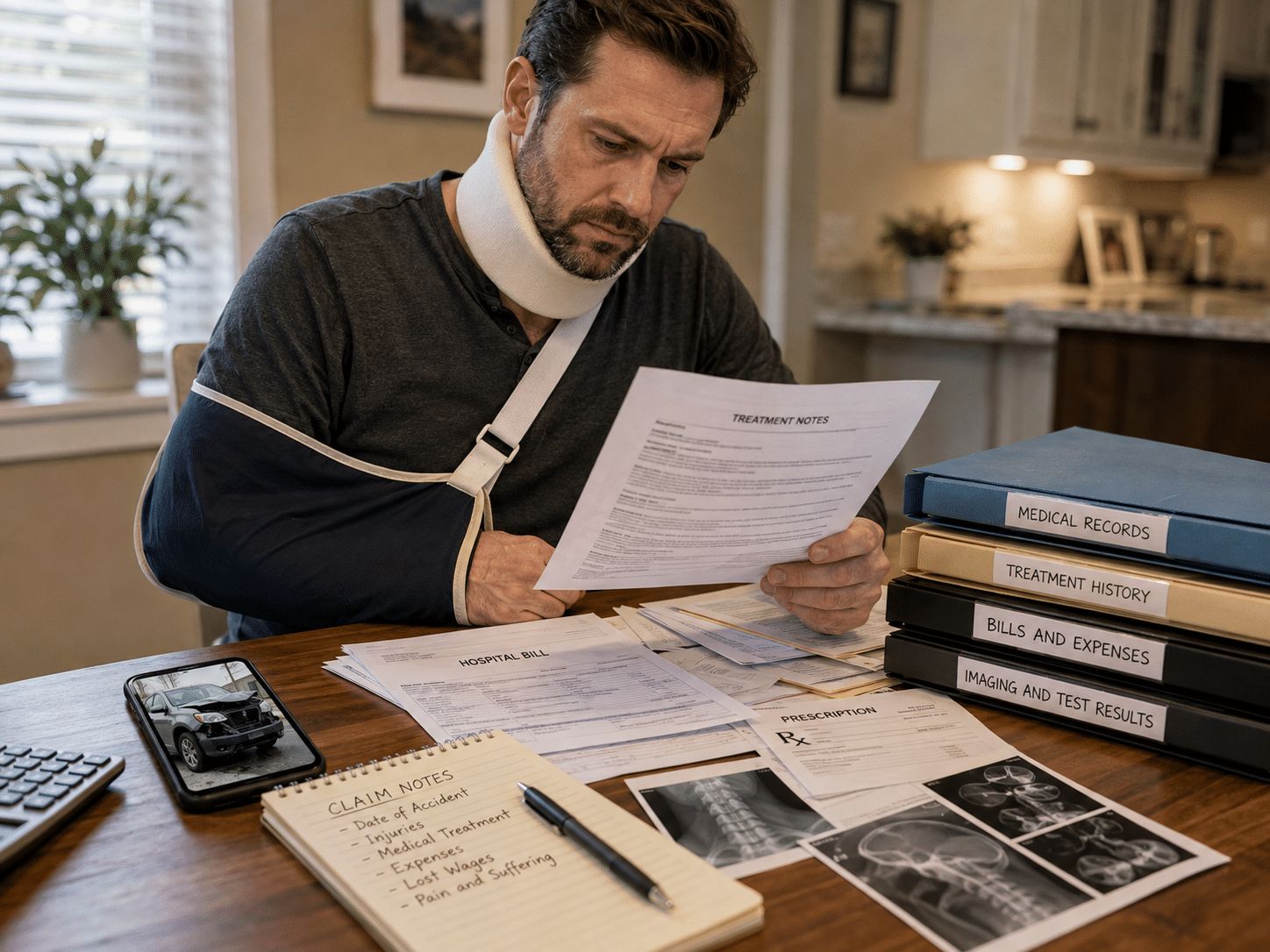
An injury claim should account for more than the first emergency room bill. Depending on the circumstances, damages may include past medical expenses, reasonably anticipated future medical treatment, lost wages, diminished earning capacity, pain and suffering, disability, and other losses caused by the collision.

In fatal failure-to-yield crashes, surviving family members may also have rights under Illinois wrongful death and survival laws. Those cases require careful evaluation of both the circumstances of the collision and the full financial and personal losses resulting from the death.

Why Insurance Companies Contest Right-Of-Way Claims

A failure-to-yield case may initially appear straightforward, particularly when one vehicle was turning, and the other was traveling straight. Insurance companies, however, often conduct their own investigation with the goal of limiting what they must pay.

An adjuster may question who entered the intersection first, whether a traffic signal changed, whether the injured driver was speeding, or whether enough time existed to avoid the collision. The insurer may also attack the injury portion of the claim by arguing that medical treatment was delayed, symptoms resulted from a prior condition, or the collision was not severe enough to cause the diagnosed injury.

I treat liability and damages as separate issues that both require evidence. Proving that the other driver failed to yield is only part of the case. I must also establish how the crash caused the injuries and how those injuries have affected my client’s health, employment, finances, and daily life.

Contact SJ Injury Law About A Failure-To-Yield Accident In Schaumburg

If another driver failed to yield and caused an accident that injured you or a family member, I can investigate what happened, determine which Illinois right-of-way rules apply, preserve available evidence, address comparative-fault allegations, and pursue compensation from the responsible parties and their insurers. Failure-to-yield crashes can produce serious injuries even when the insurance company initially treats the collision as a routine intersection accident.

At SJ Injury Law, I represent people injured in Schaumburg and throughout the surrounding communities, including Arlington Heights, Buffalo Grove, Des Plaines, Mount Prospect, Northbrook, Palatine, Prospect Heights, Wheeling, Park Ridge, Rosemont, and Glenview. I also serve clients throughout Chicago and all of Illinois.

If you were injured because another driver turned into your path, entered an intersection without yielding, pulled into traffic when it was unsafe, ignored a traffic control, or otherwise violated your right-of-way, call our Schaumburg auto accident lawyer at SJ INJURY LAW by calling (847) 434-3555 to receive your free consultation. I can review the facts surrounding the collision, explain the issues that may affect the claim, and determine the appropriate steps for seeking compensation for your injuries and losses.

Shoulder Rotator Cuff Tears After Illinois Car Accidents

Shoulder Rotator Cuff Tears After Illinois Car Accidents

A car accident can cause a serious shoulder injury even when there is no broken bone or obvious external trauma. In Schaumburg, collisions on Interstate 90, Route 53, Golf Road, Higgins Road, Schaumburg Road, and the busy intersections surrounding these routes can subject drivers and passengers to sudden forces that strain or tear the structures supporting the shoulder. A rotator cuff tear can make everyday activities such as reaching overhead, lifting groceries, getting dressed, sleeping comfortably, or returning to physical work extremely difficult.

Some accident victims initially believe they suffered a minor shoulder strain, only to learn after continued pain and diagnostic imaging that a tendon has been partially or completely torn. When another driver’s negligence causes that injury, I can pursue compensation for the medical treatment, lost income, pain, limitations, and other losses that follow.

Rotator cuff cases can also become contested insurance claims. An insurer may argue that the tear existed before the crash, resulted from age-related degeneration, or could not have been caused by the particular collision. For people injured in Schaumburg, Arlington Heights, Buffalo Grove, Des Plaines, Elk Grove Village, Mount Prospect, Palatine, Rolling Meadows, and surrounding communities, establishing the connection between the collision and the shoulder injury can therefore be just as important as proving that the other driver caused the accident.

What Is A Rotator Cuff Tear?

The rotator cuff consists of muscles and tendons that surround the shoulder joint and help stabilize and move the arm. These structures allow a person to lift, rotate, and position the arm through a wide range of motion. A tear can involve only part of a tendon, known as a partial-thickness tear, or extend completely through the tendon, producing a full-thickness tear.

Rotator cuff tears are sometimes associated with repetitive use or degeneration over time, but trauma can also cause or worsen them. A violent car accident can force the arm or shoulder into an abnormal position, cause the body to strike part of the vehicle, or create enough force through the seat belt and upper body to injure vulnerable shoulder structures.

The legal question is not simply whether a medical scan shows a tear. I look at when symptoms began, the mechanics of the collision, prior medical history, physical examinations, diagnostic studies, treatment progression, and medical opinions concerning causation. Taken together, this evidence can help establish whether the crash caused a new tear or aggravated an existing shoulder condition.

How A Car Accident Can Injure The Rotator Cuff

Several accident mechanisms can produce significant shoulder trauma. A driver may instinctively tighten their arms against the steering wheel immediately before impact. A passenger may extend an arm against the dashboard or door. In a side-impact collision, the shoulder can strike the door, pillar, or window area. Seat belts can also transmit force across the shoulder during a sudden deceleration.

Rear-end accidents can produce abrupt forward-and-backward movement that affects not only the cervical spine but also the shoulder girdle. Side-impact crashes may place even greater direct force on one shoulder. Rollover and high-speed collisions can create complicated injuries involving the shoulder, neck, chest, and upper extremities simultaneously.

Illinois law requires motorists to operate vehicles with reasonable care under existing traffic and roadway conditions. For example, 625 ILCS 5/11-601 requires drivers to maintain a reasonable and proper speed and to decrease speed when necessary to avoid a collision. A violation of traffic safety rules can become important evidence when determining negligence after a crash.

Symptoms May Not Fully Appear Immediately

One difficulty with rotator cuff injury claims is that the seriousness of the shoulder problem may not be apparent at the crash scene. Adrenaline, shock, and other injuries can temporarily distract a person from shoulder pain. Symptoms may become more noticeable later that day or over the following days as inflammation and stiffness increase.

A person with a rotator cuff injury may experience weakness when lifting the arm, pain with reaching overhead, difficulty reaching behind the back, pain while sleeping on the injured side, clicking or popping, decreased range of motion, or significant weakness during particular movements. Some people begin compensating for the injured shoulder by using the opposite arm, which can further interfere with work and normal daily activities.

Because insurers frequently examine the timing of complaints, medical documentation matters. A delay in treatment does not automatically mean that a shoulder injury was unrelated to the collision, but insurers may attempt to use a significant treatment delay to challenge causation. I therefore examine the complete chronology rather than allowing the insurance company to isolate a single medical visit or gap.

Why An MRI Can Become Important In A Rotator Cuff Claim

X-rays are useful for detecting fractures and certain bone abnormalities, but they generally do not provide the same information about tendons and other soft tissues as an MRI. When shoulder symptoms persist, physicians may order magnetic resonance imaging to examine the rotator cuff and surrounding structures.

An MRI may identify a partial tear, full-thickness tear, tendon retraction, inflammation, labral pathology, bursitis, or other abnormalities. However, imaging does not decide the legal case by itself. Insurance companies sometimes focus on words such as “degenerative,” “chronic,” or “tendinosis” in a radiology report and argue that the crash played no role in the injury.

That conclusion can be far too simplistic. A person can have age-related changes and still suffer a traumatic aggravation or a new injury in a collision. What matters is whether the accident caused or contributed to the condition for which treatment became necessary.

Preexisting Shoulder Problems Do Not Automatically Defeat A Claim

Many adults have degenerative changes in their shoulders without experiencing disabling symptoms. Some have previously experienced occasional discomfort but were still working, exercising, sleeping normally, and carrying out ordinary activities before a collision.

When a crash transforms a manageable or asymptomatic shoulder condition into a painful condition requiring injections, physical therapy, restrictions, or surgery, the existence of prior degeneration does not necessarily eliminate the claim. The central issue becomes how the person’s condition changed because of the accident.

I may compare pre-accident and post-accident medical records, prior complaints, work restrictions, diagnostic images, treatment history, and activity levels. Evidence that an accident victim had little or no functional limitation before the collision but developed substantial symptoms immediately afterward can be particularly significant.

Insurance companies know that preexisting-condition arguments can reduce claim value if they go unanswered. For that reason, establishing the medical timeline carefully is critical.

Treatment Can Range From Therapy To Rotator Cuff Surgery

Treatment depends on the type of tear, the person’s age and health, functional demands, and response to conservative care. Some patients undergo physical therapy, anti-inflammatory treatment, activity modification, or corticosteroid injections. Others ultimately require arthroscopic surgery.

Surgical treatment may involve repairing the torn tendon to the bone, addressing damaged tissue, treating associated impingement, or repairing other shoulder structures. Recovery may require immobilization followed by extensive physical therapy. Returning to full strength can take months, and some patients continue experiencing pain, stiffness, weakness, or restricted motion afterward.

A physically demanding worker can face particularly serious consequences. Construction workers, warehouse employees, delivery drivers, mechanics, healthcare workers, tradespeople, and others whose jobs require lifting or overhead activity may be unable to perform their normal duties.

When evaluating damages, I therefore look beyond the initial emergency-room bill. Future treatment, rehabilitation, lost wages, reduced earning ability, surgical expenses, permanent limitations, and the effect of the injury on daily life may all be relevant.

Insurance Companies May Dispute Whether The Crash Caused The Tear

Causation frequently becomes the central dispute in shoulder injury claims. An insurer may argue that the collision was too minor to cause a tear, that the person’s age explains the MRI findings, that symptoms appeared too late, or that prior shoulder complaints prove the condition existed before the accident.

Vehicle damage does not necessarily establish how much injury a person’s body sustained. Different occupants can experience substantially different physical effects in the same collision. Position inside the vehicle, direction of impact, whether the arm was braced, prior anatomy, age, and other factors can influence the injury.

I focus on evidence rather than the insurer’s assumptions. Medical records, photographs, crash reports, diagnostic imaging, treating physician opinions, employment documentation, witness testimony, and evidence describing the mechanics of the collision can collectively establish a much stronger picture of what happened.

Compensation For A Rotator Cuff Tear After An Illinois Car Accident

A person injured because of another driver’s negligence may pursue compensation for losses caused by the crash. Depending on the circumstances, damages may include past and future medical expenses, lost wages, diminished earning capacity, pain and suffering, disability, and loss of normal life.

Illinois uses a modified comparative negligence rule under 735 ILCS 5/2-1116. A plaintiff whose contributory fault is more than 50 percent of the proximate cause of the injury is barred from recovery. If the plaintiff’s share of fault is 50 percent or less, damages can still be recovered but are reduced according to the percentage of fault attributed to the plaintiff.

This rule makes liability evidence important even in a case where the shoulder injury itself is well documented. Insurance companies may attempt to shift a percentage of blame to the injured driver to reduce what they must pay.

The Deadline For Filing An Illinois Personal Injury Lawsuit

Illinois generally provides two years to bring an action for personal injuries under 735 ILCS 5/13-202. Certain claims can involve different deadlines or additional notice requirements, so an injured person should not assume that every case will receive the full two-year period.

Waiting also creates practical problems. Witness memories fade, video may disappear, vehicles are repaired, and evidence becomes harder to preserve. A rotator cuff claim may additionally require substantial medical development before the long-term impact of the injury becomes clear. Starting the investigation early gives me more opportunity to preserve the liability evidence while the medical picture develops.

Frequently Asked Questions About Shoulder Rotator Cuff Tears After Illinois Car Accidents

Can A Car Accident Really Cause A Rotator Cuff Tear?

Yes. A sudden collision can produce enough force to injure the shoulder, particularly when the arm is braced against the steering wheel or dashboard, the shoulder strikes the interior of the vehicle, or the upper body is violently restrained during impact. A traumatic event may produce a new tear or worsen a tendon that was already weakened by degeneration. Determining causation requires examining the accident mechanics, symptom onset, examinations, imaging, and medical history. An insurer should not be allowed to dismiss the injury simply because degenerative changes are also present on an MRI.

What If My MRI Says My Rotator Cuff Tear Is Degenerative?

The presence of degeneration does not necessarily mean the accident had nothing to do with the condition. Many people have degenerative findings without significant symptoms or functional limitations. A collision can aggravate an existing condition, convert an asymptomatic problem into a painful one, or worsen a partial tear. I examine what the person’s shoulder was like before the crash compared with what happened afterward. A meaningful change in pain, strength, function, treatment requirements, or ability to work can be important evidence.

What If I Did Not Feel Shoulder Pain Until The Day After The Crash?

Delayed symptoms are possible after a motor vehicle collision. Immediately after an accident, adrenaline and concern about other injuries can mask or overshadow shoulder discomfort. Inflammation and stiffness can also increase during the hours following the collision. The insurance company may question a delay, so accurate medical history becomes important. I look at when symptoms actually began, when treatment was obtained, what the patient told healthcare providers, and whether the injury pattern is medically consistent with the accident.

How Much Is A Rotator Cuff Tear Car Accident Claim Worth?

There is no standard settlement value for a rotator cuff injury. A partial tear successfully treated with physical therapy presents a different damages picture from a full-thickness tear requiring surgery and months away from work. Claim value can depend on medical expenses, future treatment, lost earnings, permanency, pain, functional restrictions, occupation, liability evidence, available insurance coverage, and whether the insurer contests causation. A proper evaluation requires considering how the injury affects the particular person’s life rather than relying on a generic settlement calculator.

Does Rotator Cuff Surgery Increase The Value Of An Injury Claim?

Surgery can significantly affect the damages associated with a claim because it generally means the injury required more invasive treatment, greater expense, a longer recovery period, and potentially additional time away from employment. Surgery alone, however, does not determine value. The reason surgery was necessary, the connection between the accident and the tear, postoperative recovery, residual limitations, future treatment, and the person’s work requirements all matter. I evaluate the complete medical and economic impact of the injury.

Can I Recover Lost Wages If My Shoulder Injury Keeps Me From Working?

Potentially, yes. If a crash-related rotator cuff injury prevents a person from working or forces them to work reduced hours or restricted duty, lost earnings can form part of the damages claim. Documentation may include wage statements, tax records, employer verification, disability notes, and medical restrictions. A permanent shoulder limitation can raise additional questions concerning future earning capacity, particularly for someone whose occupation requires lifting, carrying, reaching, pushing, pulling, or overhead work.

What If I Had Shoulder Pain Before The Car Accident?

Prior shoulder pain does not automatically prevent recovery. The important question is whether the accident worsened the condition. I may compare medical records from before and after the crash, prior treatment frequency, imaging studies, work restrictions, medication use, and activity levels. If a person was functioning relatively normally before the accident but afterward required substantial treatment or developed significant limitations, that change can help demonstrate aggravation of the prior condition.

How Long Do I Have To File A Rotator Cuff Injury Claim In Illinois?

Illinois generally requires personal injury lawsuits to be filed within two years under 735 ILCS 5/13-202. Some circumstances can produce different deadlines, especially when governmental entities or unusual defendants are involved. It is also risky to focus only on the filing deadline. Important evidence can disappear long before two years pass, so prompt investigation can be valuable even when litigation is not immediately necessary.

Call SJ Injury Law After A Car Accident Rotator Cuff Tear

A rotator cuff tear can affect far more than the ability to move an arm comfortably. It can interfere with employment, sleep, exercise, household responsibilities, driving, childcare, and basic daily activities. When an insurance company argues that the tear was preexisting, degenerative, unrelated to the collision, or less serious than the medical records show, I work to develop the evidence necessary to establish both causation and the full consequences of the injury.

Call our Schaumburg car accident lawyer at SJ INJURY LAW by calling (847) 434-3555 to receive your free consultation. I can evaluate the claim, address insurance company arguments, preserve important evidence, and pursue compensation for the losses caused by the accident.

Backover Accidents In Parking Lots And Pedestrian Injury Claims

Backover Accidents In Parking Lots And Pedestrian Injury Claims

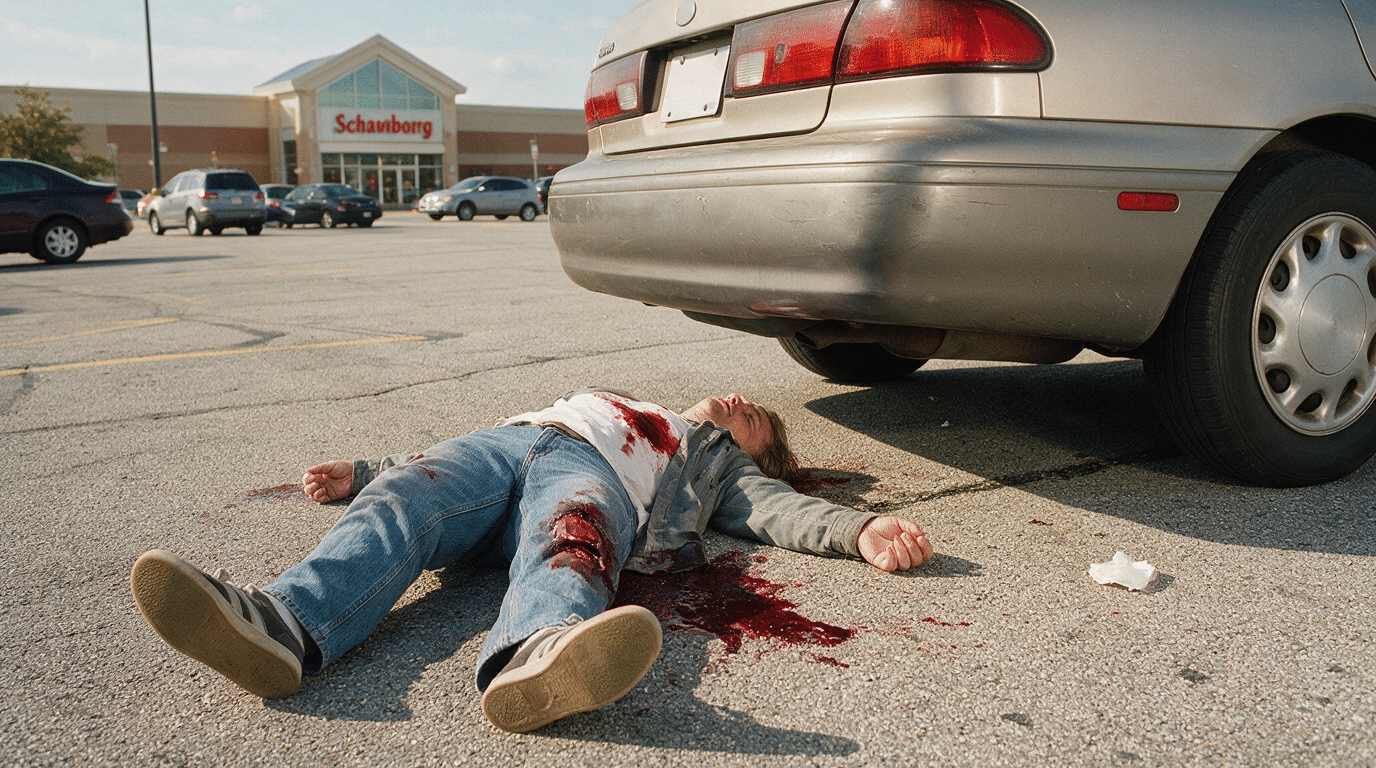
Every day in Schaumburg, parking lots are busy with drivers backing out of spaces while pedestrians walk between cars, carry groceries, push carts, help children, or head back to their vehicles. Places like shopping centers, restaurants, offices, apartments, and hotels all see regular interaction between cars and people on foot. If a driver backs up without checking behind them, they can hit a pedestrian with little warning. Even at low speeds, these accidents can cause serious injuries like fractures, head or spinal injuries, and internal trauma. When I help someone hurt in this kind of accident, I carefully review what both the driver and pedestrian were doing, check for surveillance footage, and look for other evidence to understand how the crash happened.

Backover accidents happen in many places, not just Schaumburg. They also occur in busy parking lots in Arlington Heights, Buffalo Grove, Des Plaines, Elk Grove Village, Mount Prospect, Palatine, Rolling Meadows, and nearby suburbs. These cases can become complicated because drivers and insurance companies may claim the pedestrian suddenly walked behind the car. That’s why it’s important to look at all the facts, not just the driver’s story, when deciding who is at fault.

Why Backover Accidents Happen In Parking Lots

Most backover accidents happen when a driver does not check that the area behind their car is clear before reversing. Distractions like phones, conversations, navigation systems, children in the car, or nearby traffic can take a driver’s attention away. Some drivers only glance in one direction and start backing up without checking their mirrors or looking behind them the whole time.

Many newer cars have backup cameras and sensors, but these features do not replace the need for drivers to stay alert. Cameras can have blind spots, get blocked by dirt or bad weather, or miss someone walking in from the side. Drivers still need to look around carefully and be ready to stop.

Bigger vehicles like SUVs, pickup trucks, vans, and commercial vehicles can be even more dangerous because they have large blind spots right behind them. It can be especially hard for a distracted driver to see young children or shorter pedestrians.

Parking lots often have things that block your view, like parked SUVs, delivery trucks, landscaping, shopping cart areas, pillars, and other structures. These obstacles make it even more important for drivers to be careful.

Illinois Drivers Have A Duty To Avoid Striking Pedestrians

Illinois law expressly requires drivers to exercise due care to avoid colliding with pedestrians. Section 11-1003.1 of the Illinois Vehicle Code, 625 ILCS 5/11-1003.1, provides that every driver must exercise due care to avoid striking a pedestrian and must take proper precautions when observing children or individuals who may be incapacitated or confused.

That duty is highly relevant in a parking lot backover claim. A driver cannot simply place the vehicle in reverse and assume that nobody is behind it. I examine whether the driver checked mirrors, looked over their shoulder, used an available backup camera, backed slowly, responded to warnings, and kept watching the area while the vehicle was moving.

The exact circumstances matter. A driver backing from a space near a grocery store entrance should reasonably anticipate pedestrians. The same is true near shopping cart returns, restaurants, schools, apartment complexes, medical offices, and other locations where foot traffic is common.

A violation of a traffic rule does not automatically decide every civil claim, but driver conduct and applicable safety rules can provide important evidence when determining whether reasonable care was exercised.

Who Is At Fault When A Driver Backs Into A Pedestrian?

The backing driver is often primarily responsible when they move into a pedestrian’s path without making sure it is safe to do so. However, every accident must be evaluated based on its own facts.

I investigate where the pedestrian was located before impact, how long the pedestrian had been visible, whether the vehicle’s reverse lights were illuminated, whether the driver stopped before backing, and whether witnesses saw what occurred. Surveillance footage can be particularly important because many retail centers and commercial properties have cameras facing parking areas.

The insurance company may claim that the pedestrian suddenly walked behind the vehicle. That argument does not necessarily eliminate the driver’s responsibility. A driver backing through an area where pedestrians are reasonably expected must remain alert throughout the maneuver.

In some cases, both parties may be assigned a percentage of fault. Illinois uses a modified comparative fault system under 735 ILCS 5/2-1116. A plaintiff whose fault is 50 percent or less may still recover damages, although the award is reduced by the percentage of fault attributed to the plaintiff. A person found more than 50 percent responsible is barred from recovery under that statute.

That makes evidence particularly important when an insurer tries to shift responsibility to the injured pedestrian.

Why Children And Older Adults Face Greater Risk

Backover accidents can be especially dangerous for children. A child walking behind an SUV or pickup truck may be below the driver’s direct line of sight. Children may also move unpredictably in parking areas and may not appreciate that a vehicle is about to reverse.

Illinois law specifically instructs drivers to exercise proper precaution when observing children. A driver in a location where families are frequently present should be especially careful before moving a vehicle.

Older adults are also vulnerable because a low-speed collision can cause severe injuries. A fall caused by a reversing vehicle may lead to a hip fracture, pelvic fracture, head injury, or shoulder injury. Preexisting osteoporosis or degenerative conditions can make the physical consequences even more serious.

An insurance company may attempt to attribute some of an older person’s medical problems to age or preexisting conditions. I focus on whether the collision caused a new injury or aggravated an existing condition, because an accident does not have to create a completely new medical problem to result in compensable harm.

Common Injuries Caused By Backover Accidents

A pedestrian has almost no physical protection when struck by a vehicle. Even a vehicle moving only a few miles per hour can knock someone to the pavement or pin the person against another vehicle, curb, wall, shopping cart, or fixed object.

Backover accident injuries may include broken hips, pelvic fractures, leg fractures, ankle injuries, wrist fractures, shoulder injuries, traumatic brain injuries, concussions, spinal injuries, torn ligaments, internal injuries, and significant cuts or bruising. Some victims require surgery, inpatient treatment, physical therapy, assistive devices, or extended rehabilitation.

The injuries can become even more severe if the vehicle continues reversing after the initial impact. A pedestrian may be knocked down and then partially run over, creating crush injuries or catastrophic orthopedic trauma.

When evaluating damages, I consider not only the initial emergency room treatment but also the entire medical course. Future care, permanent impairment, reduced mobility, chronic pain, lost earning capacity, and changes in daily activities can all affect the value of a claim.

Surveillance Video Can Become Critical Evidence

Parking lot accident claims often involve conflicting stories. The driver may say the pedestrian appeared suddenly. The pedestrian may remember only seeing the vehicle moments before impact. Witnesses may have observed only part of the incident.

Surveillance footage can help resolve those disputes. Shopping centers, grocery stores, restaurants, hotels, office buildings, apartment complexes, banks, and other businesses frequently operate security cameras that record parking areas.

That footage may show when the pedestrian entered the area, how quickly the vehicle was backing, whether the driver paused before reversing, whether brake lights illuminated, and whether surrounding conditions obstructed visibility.

The challenge is that businesses do not necessarily preserve video indefinitely. Some security systems automatically record over older footage. For that reason, identifying potential camera locations and requesting preservation as quickly as possible can be extremely important.

Other Evidence That Can Help Establish Liability

Video is only one form of evidence. Photographs of the accident scene can document parking space configuration, sight lines, vehicle positioning, lighting conditions, and potential obstructions.

Vehicle data can sometimes provide additional information. Modern automobiles may contain systems that record information associated with braking, speed, or other vehicle operations. Backup cameras, sensors, and collision-warning systems may also become relevant depending on the particular vehicle.

Witness statements matter as well. Other shoppers, employees, passengers, or nearby drivers may have seen the vehicle reverse or heard the pedestrian yell before impact.

I also review the police report, photographs of the injuries, medical records, property damage, and available insurance information. When a commercial driver or company vehicle is involved, additional employer records and business insurance policies may become relevant.

Can The Property Owner Also Be Responsible?

Most parking lot backover claims focus on the negligent driver, but certain accidents may involve additional issues concerning the property itself.

For example, poor lighting, badly designed traffic patterns, blocked pedestrian walkways, obstructed sight lines, missing signs, defective pavement markings, or dangerous parking configurations may contribute to an accident. Whether a property owner has legal responsibility depends heavily on the particular circumstances and whether a dangerous condition contributed to the collision.

I do not assume that every parking lot accident creates a premises liability claim. Instead, I examine whether there is credible evidence that a property condition played an actual role in causing the injury.

When multiple parties may share responsibility, identifying all potential defendants can be important because serious pedestrian injuries may create substantial medical and financial losses.

Compensation After A Parking Lot Pedestrian Accident

A pedestrian injured by a backing vehicle may be entitled to pursue compensation for losses caused by the collision. Depending on the circumstances, damages may include emergency treatment, hospitalization, surgery, diagnostic imaging, rehabilitation, physical therapy, prescription expenses, future treatment, and other medical costs.

Lost wages may also be recoverable when injuries prevent the victim from working. A serious injury that permanently limits employment may support a claim for diminished future earning capacity.

Illinois law also recognizes non-economic damages. These can include pain and suffering, disability, disfigurement, and other intangible losses associated with a serious injury.

The appropriate value of a claim depends on medical evidence, the duration of recovery, whether the condition becomes permanent, the strength of the liability evidence, and the effect of the injuries on the person’s work and daily life.

Why Waiting Can Make A Backover Accident Claim Harder

Evidence rarely improves with time. Surveillance footage can be erased, witnesses can become difficult to locate, vehicles can be repaired, and people can forget important details.

Illinois generally requires actions for personal injury damages to be filed within two years after the cause of action accrues under 735 ILCS 5/13-202. Exceptions and different deadlines can apply in certain situations, so I do not recommend treating the general two-year period as permission to wait.

The practical deadline for preserving evidence can be much shorter than the legal filing deadline. A security recording might disappear within days or weeks.

Taking action promptly gives me a better opportunity to investigate how the accident happened and preserve evidence before it is lost.

Contact SJ Injury Law After A Schaumburg Parking Lot Backover Accident

If a driver backed into you or a loved one in a parking lot, I can investigate how the collision occurred, preserve available evidence, identify applicable insurance coverage, and pursue compensation from the responsible party. Backover accidents can produce serious injuries even when the vehicle was traveling at a low speed, and insurance companies may attempt to minimize the injuries or shift responsibility to the pedestrian.

At SJ Injury Law, I represent people injured in pedestrian accidents, parking lot collisions, car accidents, truck accidents, rideshare crashes, motorcycle accidents, bicycle accidents, and other incidents caused by negligence. I understand how important surveillance footage, witness accounts, medical documentation, and careful liability analysis can become when a driver disputes responsibility.

Call our Schaumburg car accident lawyer at SJ INJURY LAW at (847) 434-3555 to receive your free consultation. I serve injured clients throughout Schaumburg, Chicago, the northwest suburbs, and communities across Illinois.

Can Traffic Camera Footage Help You Win Your Car Accident Injury Claim?

Can Traffic Camera Footage Help You Win Your Car Accident Injury Claim

Car accidents in Schaumburg often happen at busy intersections, shopping areas, highway entrances, and busy roads where many vehicles are moving at once. When drivers disagree about who had the green light, who entered the intersection first, or who made an unsafe turn, traffic camera footage can be very important evidence. I look for video evidence because a recording can show details that drivers and witnesses might miss or remember differently after a crash.

Cameras near intersections, businesses, parking lots, government buildings, tollways, and nearby properties may capture part or all of the accident. If this footage exists, it can help prove fault, correct inaccurate statements, and make a personal injury claim stronger. The main challenge is often finding the footage and saving it before it gets deleted.

Traffic Camera Footage Can Provide Objective Evidence Of How A Crash Happened

Many car accident claims begin with conflicting accounts. One driver says the other vehicle ran a red light. The other driver insists the light was green. One motorist claims another driver changed lanes without warning, while the other says the collision occurred because of excessive speed.

Traffic camera footage can sometimes clear up these different stories. A recording might show which car entered the intersection first, if a driver stopped at a light, if a vehicle made an unsafe left turn, or if someone sped up right before the crash. It can also show where other vehicles were and how they moved, which can help explain how the accident happened.

This kind of video evidence is especially helpful in places like Schaumburg, Arlington Heights, Palatine, Rolling Meadows, Des Plaines, Mount Prospect, Buffalo Grove, and nearby areas where busy intersections can make accidents complicated. When there are many vehicles, traffic signals, pedestrians, or turning lanes, a video can show what happened more clearly than just a written accident report.

Not Every Traffic Camera Records Or Stores Video

I always tell injured clients that just because there is a camera nearby, it does not mean there will be useful footage of the accident. Some cameras only monitor traffic in real time and do not record. Others might record video but only keep it for a short time. Some cameras only take still photos instead of continuous video.

This means acting quickly is important. If you are hurt in a crash, do not assume the footage will still be there weeks or months later. Depending on who owns the camera, recordings might be automatically erased after a short time.

That is why I make saving video one of the first steps when an accident happens near an intersection, government building, business, apartment complex, parking garage, shopping center, tollway, or any place with cameras.

Traffic Cameras Are Only One Potential Source Of Video Evidence

When people hear “traffic camera footage,” they usually think of cameras run by the government at intersections. But in reality, some of the best video evidence can come from private businesses near the accident scene.

Gas stations, restaurants, stores, banks, apartment buildings, offices, warehouses, parking garages, and even home security systems may have cameras facing the street or parking lot. The camera does not have to catch the crash perfectly to be helpful. Footage showing a car coming toward the scene, entering an intersection, speeding in a parking lot, or leaving after a crash can still provide important information.

Dash cameras can also be very helpful. A camera inside the injured driver’s car, another driver’s vehicle, a rideshare car, delivery truck, or company vehicle might record the crash from a closer view than a traffic camera on a pole.

Video May Help Prove A Driver Ran A Red Light Or Stop Sign

Intersection accidents frequently involve disputes over traffic signals. Red-light and stop-sign cases can become especially difficult when there are no independent eyewitnesses.

Video can show if a driver entered the intersection after the light changed, rolled through a stop sign, or did not yield before turning. Even if the traffic light is not in the video, the footage might show how other cars moved, which can help figure out what happened.

For example, if cars in one direction start moving while another vehicle keeps going through the intersection, that timing can support other evidence about the traffic light. Accident reconstruction, witness statements, vehicle damage, and video often work together instead of relying on just one piece of evidence.

Camera Footage May Help Defeat An Insurance Company’s Fault Argument

Insurance companies often investigate whether they can place some responsibility on the injured person. This matters because Illinois follows a modified comparative fault rule.

Under 735 ILCS 5/2-1116, an injured plaintiff generally cannot recover if the plaintiff’s contributory fault is found to be more than 50 percent of the proximate cause of the injury. If the plaintiff is 50 percent or less at fault, recovery may still be available, but damages are reduced by the plaintiff’s percentage of fault.

Suppose another driver claims you accelerated through a yellow light, changed lanes suddenly, or failed to brake before impact. If video shows that the other driver actually entered your lane or violated the traffic signal, that evidence could substantially weaken the insurer’s comparative-fault argument.

This is one reason I do not treat liability evidence as a minor issue. Even a relatively small shift in the percentage of fault can have a significant financial effect in a serious injury case.

Video Can Help Identify Hit-And-Run Drivers

Traffic and security cameras can also become important in hit-and-run accidents. A driver who leaves the scene may believe there is no way to identify the vehicle, but surrounding cameras may capture information that witnesses could not.

The footage may show the vehicle’s make, model, color, body style, direction of travel, or distinguishing damage. In better-quality footage, the license plate or part of the plate may be visible. Other cameras located farther along the driver’s route may provide additional angles.

This can be especially important in pedestrian, bicycle, motorcycle, and parking lot injury cases where the victim may not have had time to see the vehicle clearly before being struck.

Traffic Camera Evidence Can Be Valuable In Pedestrian And Bicycle Claims

Pedestrian and bicycle accidents often involve disagreements about right of way. A driver may claim a pedestrian suddenly entered the road or that a bicyclist ignored a traffic signal. The injured person may remember very little because of the force of the impact.

Camera footage may show where the pedestrian was walking, whether the person was inside a crosswalk, how quickly the vehicle approached, and whether the driver attempted to brake. In a bicycle case, footage may show lane positioning, a turning movement, unsafe passing, or a dooring event.

These recordings can be particularly important around shopping areas, commercial corridors, parking lots, and intersections throughout Schaumburg and neighboring communities where pedestrians, cyclists, and vehicles frequently share limited space.

Video May Help Establish Speed And Driver Behavior

A traffic camera does not necessarily display a driver’s exact speed. However, recorded movement may still help an accident reconstruction professional evaluate how fast a vehicle was traveling.

Video may also reveal aggressive or careless behavior before impact. A driver might be seen weaving through traffic, tailgating, making abrupt lane changes, failing to slow for congestion, or accelerating toward an intersection.

These details can become important because the few seconds before a collision often explain more about fault than the instant of impact itself. Video can preserve those seconds in a way that photographs taken after the crash cannot.

Government-Held Footage May Be Requested Through Illinois Public Records Procedures

When footage is maintained by a public body, the Illinois Freedom of Information Act may be relevant to obtaining records, although exemptions and limitations can apply. Illinois FOIA allows public bodies to redact exempt information while producing portions of records that are not exempt. Law-enforcement records may also be withheld in certain circumstances, including where disclosure would interfere with an active or reasonably contemplated law-enforcement proceeding. 5 ILCS 140/7 sets out these and other exemptions.

The practical lesson is that obtaining government-held footage is not always as simple as asking for “the traffic camera video.” The request often needs to identify the location, date, time window, and type of recording with enough precision to allow the agency to locate responsive material.

I also distinguish ordinary roadway surveillance from police body-camera footage, which is governed by separate Illinois statutory provisions. The Law Enforcement Officer-Worn Body Camera Act contains specific disclosure rules for body-camera recordings.

Preserving Video Quickly Can Protect Your Claim

One of the greatest risks with camera evidence is simply losing it. Private businesses may routinely overwrite surveillance recordings. Government systems may also operate under defined retention procedures.

I may send a preservation notice when I identify a business, company, property owner, trucking company, rideshare operator, or other party that may possess relevant footage. The purpose is to notify that entity that the recording relates to a potential legal claim and should not be destroyed through ordinary data-retention practices.

Waiting can make this much harder. By the time an insurance dispute becomes serious, the most useful footage may already be gone. That is why evidence preservation should begin early after a significant collision.

Video Must Still Be Connected To The Rest Of The Evidence

A recording can be powerful, but it is not automatically conclusive. The quality of the image, camera angle, timestamps, completeness of the footage, and ability to identify the vehicles all matter.

I look at video in connection with the police crash report, photographs, witness statements, medical records, vehicle damage, electronic data, road conditions, and other available evidence. A recording showing only part of the collision may still become much stronger when combined with additional proof.

The ultimate goal is to build a coherent account of why the crash occurred, who caused it, and how the collision resulted in the injuries and losses being claimed.

Traffic Camera Footage Can Also Strengthen Settlement Negotiations

Strong liability evidence can affect how an insurance carrier evaluates a claim. When an insurer knows that video contradicts its insured’s account, it becomes more difficult to maintain an unsupported denial of fault.

That does not mean the insurance company will automatically offer fair compensation. The carrier may still dispute the nature of the injuries, medical treatment, future care, lost wages, or the value of pain and suffering.

However, eliminating or significantly reducing a liability dispute can remove one major obstacle. In serious injury cases, clear footage can become one of the most persuasive pieces of evidence during settlement negotiations or litigation.

The Deadline For Filing A Claim Is Different From The Deadline For Saving Video

Illinois generally provides a two-year limitations period for actions seeking damages for personal injury under 735 ILCS 5/13-202, subject to exceptions that may apply in particular cases.

That does not mean you have two years to obtain video.

A surveillance system may retain recordings for days, weeks, or another relatively short period. Evidence can disappear long before the legal deadline for filing a lawsuit arrives. This distinction is extremely important. Waiting until close to the statute of limitations can leave you without evidence that might have resolved a major dispute over fault.

Call SJ Injury Law About Your Schaumburg Car Accident Claim

When fault is disputed after a serious crash, video evidence can change the direction of the case. I look beyond the police report and insurance company’s version of events to identify traffic cameras, business surveillance systems, dash cameras, vehicle data, witnesses, and other evidence that may show what actually happened. The sooner that investigation begins, the better the opportunity to preserve recordings before they are erased or overwritten.

If you were injured in a car, truck, pedestrian, bicycle, motorcycle, rideshare, or other traffic accident in Schaumburg, Arlington Heights, Buffalo Grove, Des Plaines, Mount Prospect, Northbrook, Palatine, Prospect Heights, Wheeling, Park Ridge, Rosemont, Glenview, Chicago, or anywhere in Illinois, contact SJ Injury Law to discuss your legal options.

Call our Schaumburg car accident lawyer at SJ INJURY LAW at (847) 434-3555 to receive your free consultation. I represent injured people throughout Schaumburg, Chicago, the northwest suburbs, and communities across Illinois, and I can investigate whether traffic-camera or other video evidence may help establish fault and support your claim.

Tricks Insurance Companies Use To Delay Your Settlement

Tricks Insurance Companies Use To Delay Your Settlement

After a serious accident in Schaumburg, most people expect their insurance claim to move forward once fault is clear and their injuries are documented. But that does not always happen. Insurance companies might keep asking for more information, question your medical care, dispute damages, or let weeks go by without real progress. If you cannot work and your medical bills are piling up, these delays can cause real financial stress. I often see people get frustrated when they think that saying yes to every new request will lead to a fair settlement. Knowing why an insurer might delay your claim can help you spot when a real investigation turns into needless stalling.

For people in Schaumburg and nearby areas like Arlington Heights, Buffalo Grove, Des Plaines, Elk Grove Village, Mount Prospect, Palatine, and Rolling Meadows, delays can be especially hard if injuries keep you from working or mean you need ongoing care. Illinois law says insurance companies must handle claims fairly and quickly. Section 154.6 of the Illinois Insurance Code lists bad practices, such as not responding to claim communications quickly, not having good standards for fast investigations and settlements, and not trying to settle fairly when it is clear who is at fault.

Constant Requests For Additional Documentation

A common delay happens when the insurance company keeps asking for records that could have been requested earlier. An adjuster might first ask for your medical records and bills. After you send those, they may ask for more medical records, job documents, past treatment records, wage details, diagnostic images, or other paperwork, often one at a time.

Sometimes, extra paperwork is truly needed. A serious injury claim cannot always be judged by just a few medical bills. The problem comes when the requests seem repetitive, unnecessary, or spaced out so that every answer leads to more questions.

I want to determine exactly what information the insurer claims it needs and why. Rather than allowing the claim to remain in an endless cycle of document requests, I focus on finding out exactly what information the insurer says it needs and why. Instead of letting the claim get stuck in a loop of paperwork, I gather the evidence needed to show who was at fault, what injuries you have, your medical costs, lost income, future treatment needs, and other damages.. An insurer has the right to investigate a claim, but an investigation should have a legitimate purpose.

Saying The Claim Is Still Under Investigation

Another thing accident victims often hear is that the insurance company is “still investigating.” Sometimes this is true. Figuring out who is at fault may take time if drivers tell different stories, several vehicles are involved, or more evidence is needed.

However, the explanation becomes increasingly questionable when months pass without the insurer identifying what remains unresolved. If there is a police report, photographs, witness statements, vehicle damage evidence, medical documentation, and a clear account of how the accident happened, I want to know what additional investigation is supposedly preventing a decision.

Section 154.6 of the Illinois Insurance Code addresses the failure to attempt in good faith to reach a prompt, fair, and equitable settlement when liability has become reasonably clear. That does not mean every claim must be immediately paid simply because the injured person believes fault is obvious. It does mean that endless investigation should not become a substitute for making a claim decision.

Questioning Whether All Of Your Medical Treatment Was Necessary

Insurance companies may also slow down your settlement by questioning your medical treatment. An adjuster might say your physical therapy took too long, some tests were not needed, an injection was too much, or a recommended procedure is not related to the accident.

These arguments can be a big deal if you have a herniated disc, torn shoulder, knee injury, brain injury, fracture, or another serious condition that needs a lot of treatment. A claim that seemed simple at first can get stuck while the insurer questions parts of your medical history. Medical records, diagnostic imaging, treating physician opinions, specialist reports, and documentation of symptoms can help establish why treatment was medically necessary and how the injuries affected the person’s daily life.

Just because an insurance adjuster questions your treatment does not mean it was unreasonable. The real proof should come from the medical evidence.

Blaming Your Injuries On A Preexisting Condition

An insurer might also slow down your claim by asking for years of old medical records and looking for past problems with the same body part. A previous back issue, neck problem, shoulder injury, arthritis, or disc disease can then be used to argue about what caused your current injury.

Having a preexisting condition does not mean you cannot make an injury claim. An accident can make an old problem worse, causing new symptoms or bigger limitations than before. The key question is what changed because of the accident.

I often compare pre-accident and post-accident medical evidence. If someone occasionally experienced mild back discomfort before a collision but required injections, surgery, or prolonged therapy afterward, that progression may be extremely important.

These disputes must be addressed carefully because causation arguments can become one of the primary reasons insurers postpone serious settlement discussions.

Making A Low Offer And Waiting For Financial Pressure To Build

Delay can create leverage. Someone who has missed months of work may have mortgage payments, rent, car payments, medical bills, credit card obligations, and ordinary household expenses piling up.

An insurance company knows that financial pressure can affect settlement decisions. A low offer may become more attractive when someone urgently needs money, even if the offer does not adequately account for future medical treatment, reduced earning ability, or permanent limitations.

I do not evaluate an offer based simply on whether it puts money in your hands quickly. I look at what you are giving up in exchange for that payment.

Personal injury settlements generally require the injured person to release the responsible party from further liability. Once a claim is fully settled and released, the person ordinarily cannot return later because medical problems became worse than expected. That makes the timing of settlement particularly important when treatment is incomplete or the long-term prognosis remains unclear.

Waiting For You To Finish Medical Treatment

There is an important distinction between an unnecessary insurance delay and waiting until your medical condition can be reasonably evaluated. Sometimes settling immediately would actually harm the injured person.

If your doctor does not yet know whether you will need surgery, additional therapy, injections, rehabilitation, or permanent work restrictions, I may advise against resolving the claim too early. Future damages can represent a substantial portion of a serious injury case.

This is why the length of a claim alone does not tell us whether an insurer is acting improperly. A case may take time because the full consequences of an injury are not yet known. The important question is whether the delay serves the legitimate development of the claim or merely postpones a decision the insurer could reasonably make.

Reassigning Adjusters And Starting The Review Again

Another frustrating situation occurs when a claim is repeatedly transferred from one adjuster to another. You may spend weeks providing information to one person, only to learn that a different adjuster has taken over the file and needs time to review everything again.

Internal staffing decisions should not erase months of claim progress. When I represent an injured client, I maintain organized records of the documents provided, communications sent, demands made, and responses received. This creates a record of what the insurer already has and when it received it.

Illinois law identifies failing to acknowledge pertinent communications regarding claims with reasonable promptness as an improper claims practice. Consistent written documentation can therefore become important when unexplained communication delays become part of the problem.

Ignoring Calls, Emails, And Settlement Demands

Sometimes the delay is less complicated. Phone calls are not returned. Emails go unanswered. A settlement demand is submitted, and weeks pass without a substantive response.

When that happens, documentation becomes important. Illinois consumers experiencing insurance problems can submit written complaints to the Illinois Department of Insurance, which provides a formal consumer complaint process. The Department recommends keeping copies of communications and documenting telephone contacts, including the person contacted, the date, and the substance of the discussion.

That does not mean an administrative complaint is the appropriate solution in every personal injury case. The proper response depends on the type of insurance involved, whether you are making a claim against another driver’s carrier or your own insurer, the nature of the dispute, and where the case stands.

Hoping You Will Miss The Filing Deadline

One of the most important things I tell injured people is that negotiations with an insurance company do not eliminate the need to protect the legal filing deadline.

Under 735 ILCS 5/13-202, Illinois generally provides two years to commence an action for personal injuries. Different rules and shorter deadlines can apply in certain cases, particularly claims involving governmental entities or other unusual circumstances.

An insurance adjuster may continue discussing a claim while the legal deadline approaches. You should never assume that ongoing negotiations automatically extend the statute of limitations.

This is one reason prolonged insurance delays deserve close attention. If negotiations do not produce an appropriate resolution, filing a lawsuit before the applicable deadline may be necessary to preserve your rights.

When Insurance Delay May Become More Than An Inconvenience

Illinois law provides protections concerning improper claim practices, but it is important to distinguish between a third-party liability claim against another driver’s insurer and a dispute involving your own insurance policy.

Section 155 of the Illinois Insurance Code may allow attorney fees, costs, and specified additional amounts when litigation concerns an insurer’s liability under a policy or the amount payable under the policy and the court determines that the insurer’s conduct or delay was vexatious and unreasonable. Whether Section 155 applies depends heavily on the insurance relationship and facts of the particular dispute.

Not every slow claim constitutes insurance bad faith, and not every disagreement about settlement value is an unlawful delay. I look at the entire history of the claim, including what evidence was submitted, whether liability was reasonably clear, how the insurer responded, what information remained outstanding, and whether there appears to be a legitimate reason for continued delay.

Call SJ Injury Law About A Delayed Personal Injury Settlement

If an insurance company keeps postponing your claim, repeatedly requesting documents, questioning medical treatment, failing to return communications, or making excuses instead of seriously evaluating your injuries, you do not have to determine your next step alone. I can review what has happened, examine the evidence already provided to the insurer, evaluate the value of the injury claim, and determine what action may be appropriate under Illinois law.

At SJ Injury Law, I represent people injured in car crashes, truck accidents, pedestrian accidents, motorcycle collisions, rideshare accidents, premises liability incidents, and other serious accidents. My goal is to pursue compensation that reflects the actual consequences of the injury rather than allowing insurance-company delay to dictate when or how your case is resolved.

If you were injured, call our Schaumburg auto accident attorney at SJ INJURY LAW by calling (847) 434-3555 to receive your free consultation.T he sooner I can review the claim, the sooner I can determine whether the insurance company has a legitimate reason for the delay or whether additional action should be taken to protect your right to compensation.

How Medical Records Affect A Car Accident Settlement

How Medical Records Affect A Car Accident Settlement

After a serious car accident in Schaumburg, medical records often become key evidence in an injury claim. While a crash on a busy road like Interstate 90 or Roselle Road can happen in seconds, proving the physical effects may take months of medical documentation. Insurance companies look beyond whether an accident happened. They want to see if the medical records link the crash to the injuries, if treatment was consistent, if the injuries improved, and if more care might be needed. When I help someone injured in Schaumburg or nearby, I focus on the medical records because they often explain the injury better than photos or accident reports.

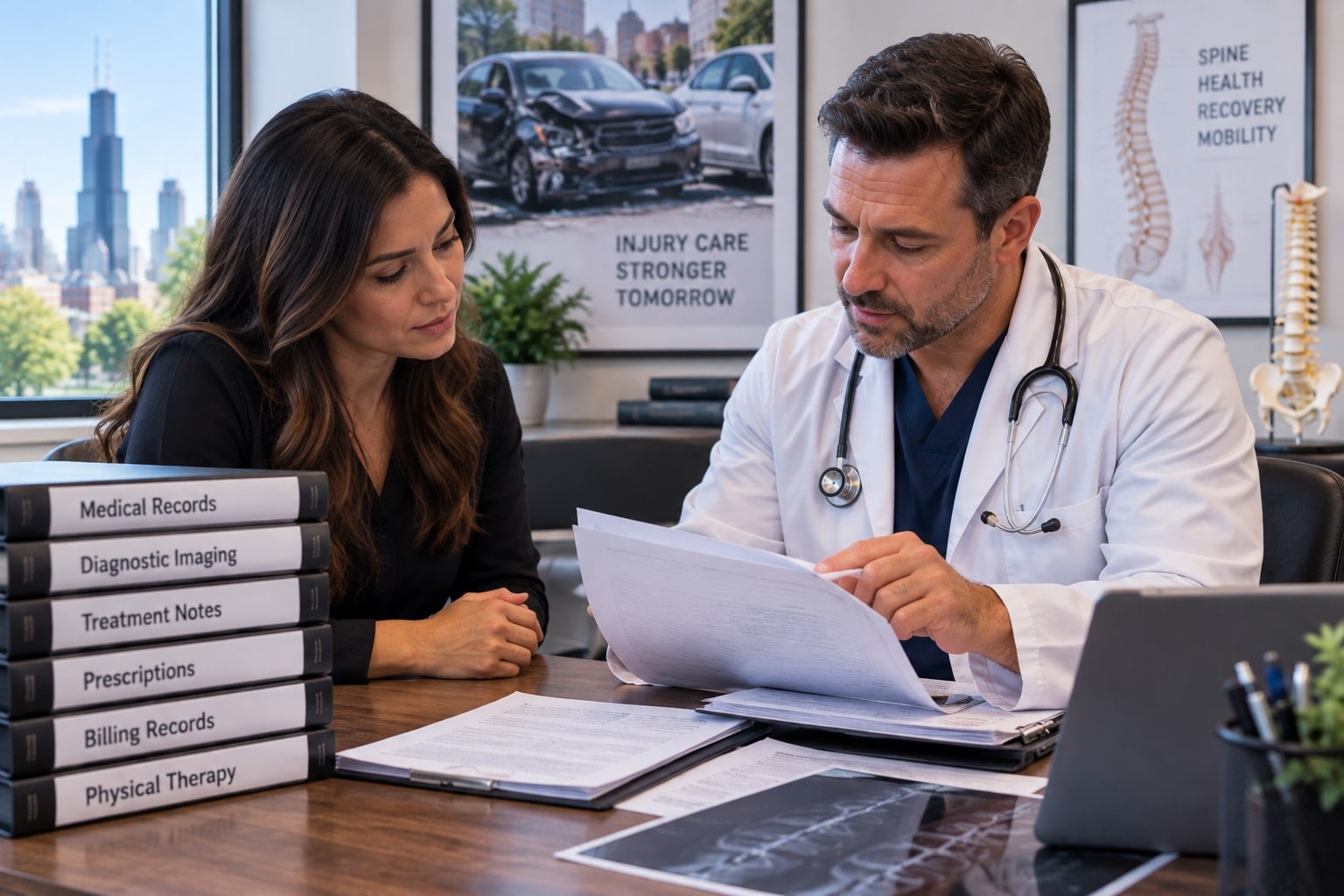
Medical records can influence whether an insurance company accepts an injury claim and how much it offers to pay. Records from the emergency room, imaging tests, orthopedic visits, physical therapy, surgeries, pain management, and follow-up appointments can all play a big role in the settlement process. On the other hand, inconsistencies, unexplained gaps in treatment, similar past complaints, or records that do not match a patient’s symptoms can give the insurer reasons to challenge the claim. Knowing how these records are reviewed helps explain why medical documentation is so important in Illinois car accident settlements.

Medical Records Help Establish The Connection Between The Crash And The Injury

One of the first things an insurance company looks at is what caused the injuries. They might agree their policyholder caused the accident but still question if all the injuries were actually from the crash. Medical records can help show the timeline from the accident to when symptoms started, how the injury was diagnosed, the treatment given, and the recovery process.

For example, if someone is rear-ended in Schaumburg and starts having neck pain, headaches, and pain down their arm, an emergency room record showing those symptoms soon after the crash can be very important. If later tests find a cervical disc injury and a doctor links the symptoms to that injury, the medical history becomes clearer. Physical therapy notes can show ongoing problems, and later checkups can reveal if the condition is getting better or turning into a long-term issue.

A well-documented sequence of medical care can make it considerably more difficult for an insurance carrier to argue that an injury appeared unexpectedly months after an accident.

The Timing Of Medical Treatment Can Affect A Settlement

Insurance companies routinely examine when an injured person first received treatment. They may argue that someone who waited several weeks before seeing a physician could not have been seriously injured. That argument does not necessarily reflect reality. Some injuries produce delayed symptoms, and accident victims sometimes hope soreness will disappear without treatment.

Still, waiting a long time before getting treatment can raise questions that need to be answered. The insurance company might ask what happened between the accident and the first doctor visit. They could suggest that something else caused the problem or that the injury was not as serious as claimed.

That is why I tell injured people to take their symptoms seriously. Getting the right medical care is most important for your health, but it also creates records that show when symptoms started, how bad they were, and how they affected your daily life.

Treatment Gaps Can Become A Major Insurance Issue

A gap in treatment happens when someone starts getting medical care but then stops going to appointments for a while before starting again. Insurance adjusters often pay close attention to these gaps.

The insurance company might argue that if you stopped treatment, your injury must have healed. If you start treatment again later, they may say the new symptoms came from something other than the original accident.

There can be legitimate reasons for a treatment interruption. Someone may lose health insurance, be unable to miss work, have transportation difficulties, struggle to obtain a specialist appointment, or be instructed by a physician to wait before returning. Those circumstances matter.

Problems come up when there is a gap in treatment with no clear reason. Medical records and other documents can help show why treatment stopped and if symptoms continued during that time.

Diagnostic Testing Can Provide Important Objective Evidence

Certain injuries are difficult to establish based solely on a patient’s description of pain. Diagnostic studies can therefore become highly important in a car accident claim.

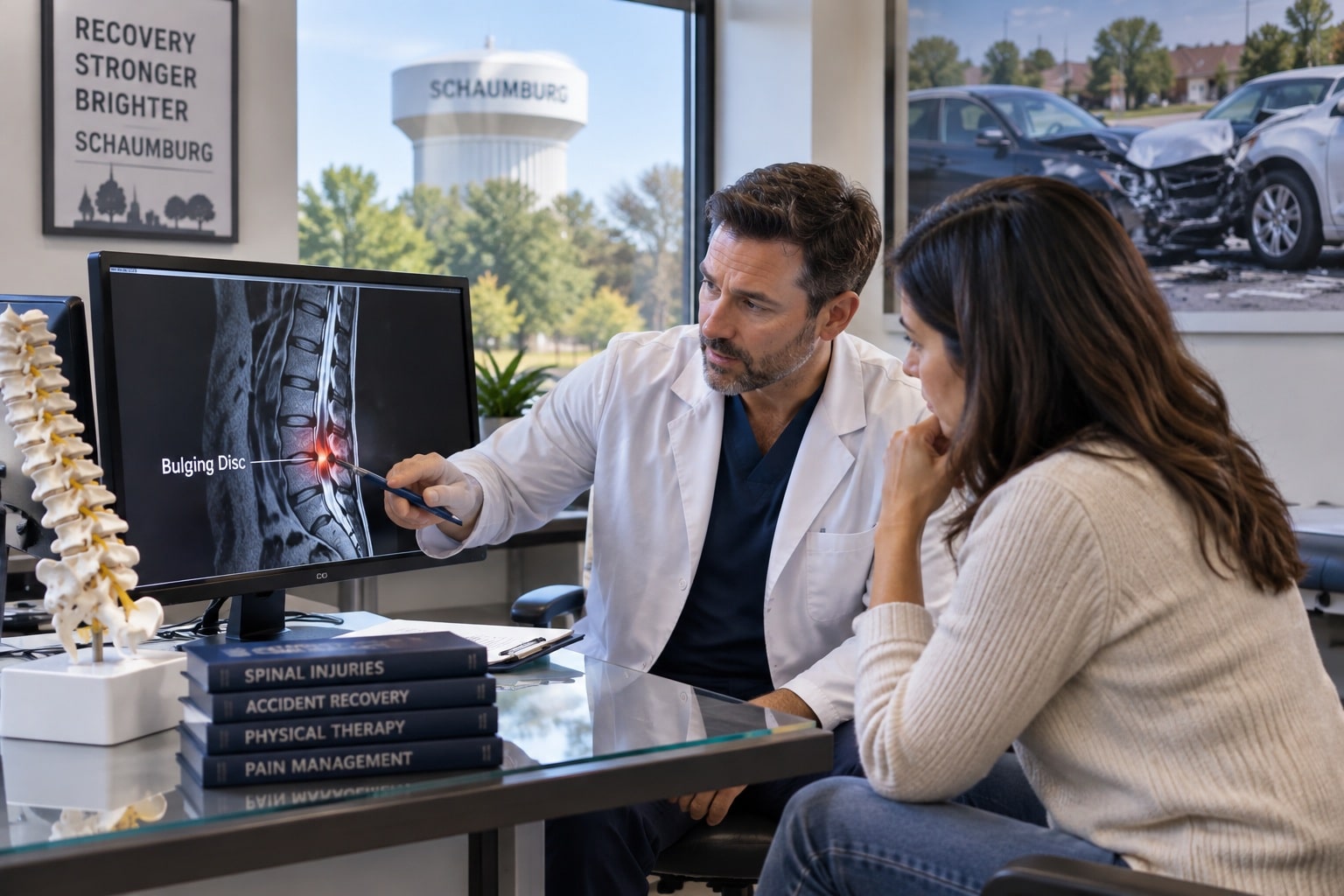
X-rays may identify fractures or structural abnormalities. MRI studies may reveal herniated discs, ligament damage, rotator cuff tears, labral injuries, and other soft tissue conditions. CT scans can detect fractures, internal injuries, and certain traumatic brain injuries. Electromyography and nerve conduction studies may help evaluate nerve damage.

An imaging finding does not automatically determine the value of a settlement. The finding must still be considered with the symptoms, physical examination, prior medical history, treatment, and physician opinions.

The strongest medical evidence often comes from the complete clinical picture rather than a single test result.

Prior Medical Conditions Do Not Automatically Defeat A Claim

Many people involved in Illinois car accidents already have some type of medical history. Someone may have experienced occasional back pain, arthritis, degenerative disc disease, an old shoulder injury, or treatment from an earlier accident.

Insurance companies commonly obtain prior records and compare them with post-accident records. They may argue that the current complaints existed before the crash.

A prior condition does not automatically eliminate the possibility of compensation. A collision can aggravate or worsen an existing physical condition. The important question becomes how the person’s condition changed because of the accident.

That comparison may require reviewing records from before and after the collision. If a person previously had mild occasional back discomfort but after the accident requires injections, extensive therapy, or surgery, that change can be highly significant.

Medical Records Can Show How An Injury Affects Daily Life

Settlement value is not based exclusively on the name of an injury. Two people may have the same diagnosis but experience dramatically different consequences.

Medical records can describe difficulty walking, lifting, sleeping, driving, working, exercising, or completing ordinary household responsibilities. Physical therapy notes may document reduced range of motion, weakness, balance problems, or difficulty completing exercises. Orthopedic records may impose lifting restrictions or work limitations.

Those details can help demonstrate that an injury is affecting more than a single body part. They help show how the condition interferes with normal life.

This documentation becomes particularly important when pain and limitations continue for months.

Future Medical Treatment Can Increase The Value Of A Claim

Some injuries eventually resolve. Others require continuing treatment long after settlement negotiations begin.

A physician may recommend additional physical therapy, injections, pain management, surgery, follow-up imaging, or long-term monitoring. When future treatment is reasonably expected, those anticipated costs may become part of the damages analysis.

This can be especially important in cases involving spinal injuries, traumatic brain injuries, serious fractures, shoulder injuries, knee injuries, and conditions requiring surgery.

Settling before the long-term medical picture is clear can create serious problems. Once a claim is fully settled and released, an injured person generally cannot return to the insurance carrier later simply because additional treatment became necessary.

Medical Bills Matter, But They Are Not The Whole Case

Medical expenses are an important component of many Illinois accident claims, but the amount billed does not tell the entire story.

An injury claim may also involve lost wages, reduced earning ability, pain, physical limitations, disability, and other losses. The medical documentation helps provide context for those damages.

A relatively modest amount of medical treatment can sometimes accompany a serious permanent injury. Conversely, substantial medical billing does not automatically guarantee a large settlement if the insurer disputes whether treatment was necessary or related to the accident.

I look at the medical evidence as part of the complete damages picture rather than treating the total amount of bills as the sole measure of case value.

Insurance Companies May Search The Records For Inconsistencies

Insurance carriers do not review medical records only to confirm injuries. They also look for statements that may support arguments for reducing the claim.

A record might incorrectly state that an injury occurred before the accident. Another note might say a patient is “doing better,” even though the improvement is only temporary. A medical history may omit a symptom that was discussed but not documented. Prior medical records may contain similar complaints.

These issues do not necessarily destroy a case, but they need to be understood before settlement negotiations begin.

This is why careful review of the complete medical history can be so important. I want to know which portions of the record strengthen the claim and which portions the insurance company is likely to challenge before those arguments appear in a settlement response.

Illinois Law Gives Patients Access To Their Health Care Records

Illinois law provides a mechanism for patients and properly authorized representatives to inspect and obtain health care records. Under 735 ILCS 5/8-2001, health care facilities and practitioners generally must permit patients, authorized attorneys, and others presenting valid authorization to examine and obtain copies of qualifying patient records.

Obtaining a complete medical file can involve much more than collecting a few bills. The records may include histories, physician notes, imaging reports, therapy documentation, surgical reports, discharge instructions, and other information generated during treatment.

These materials can help establish the chronology of an injury claim and identify issues that should be addressed before a demand is submitted to an insurance company.

Medical Documentation Becomes Even More Important If A Lawsuit Is Filed

Many car accident cases settle without trial, but settlement negotiations are still influenced by what evidence could ultimately be presented if litigation becomes necessary.

Illinois Rule of Evidence 803(6) recognizes a hearsay exception for qualifying records of regularly conducted activity, subject to the rule’s requirements regarding preparation and trustworthiness. Medical documentation therefore can play a significant evidentiary role when properly established during litigation.

The possibility of litigation is one reason I evaluate medical records as potential evidence rather than simply paperwork used to calculate medical expenses.

A strong settlement presentation should help an insurer understand what the evidence could show if the dispute progresses further.

Waiting Too Long Can Create Problems Beyond The Medical Records

Illinois generally requires an action for personal injury damages to be commenced within two years after the cause of action accrues under 735 ILCS 5/13-202, although different rules and exceptions can apply in particular circumstances.

That deadline is separate from the practical problem of disappearing evidence. Medical memories become less precise, witnesses become harder to locate, records take time to gather, and insurers may challenge lengthy unexplained delays.

For someone injured in Schaumburg or another Illinois community, addressing the claim early can allow medical evidence, accident evidence, and insurance information to be evaluated together rather than waiting until a deadline is approaching.

Speak With A Schaumburg Personal Injury Attorney About Your Car Accident Claim

Medical records can have a major effect on the outcome of a car accident claim because they help establish what injuries occurred, when symptoms developed, what treatment became necessary, and whether the collision caused lasting physical limitations. Insurance companies know this and often scrutinize those records for treatment gaps, prior conditions, inconsistent statements, or other information they can use to reduce a settlement. I believe those issues should be identified and addressed before an insurance carrier is allowed to define the value of an injury claim based on an incomplete picture.

At SJ INJURY LAW, I represent people injured in motor vehicle accidents throughout Schaumburg, Chicago, and communities across Illinois. If a crash has caused serious injuries, I can review the medical evidence, investigate the collision, evaluate the insurance coverage, document the financial and physical losses, and pursue compensation from the responsible parties.

If you were injured in Schaumburg, Arlington Heights, Buffalo Grove, Des Plaines, Mount Prospect, Northbrook, Palatine, Prospect Heights, Wheeling, Park Ridge, Rosemont, Glenview, Chicago, or anywhere in Illinois, call our Schaumburg car accident injury lawyer at SJ INJURY LAW by calling (847) 434-3555 to receive your free consultation. The sooner I understand the medical history and circumstances surrounding the collision, the sooner I can identify the issues that may affect the value of the claim.

Mild Traumatic Brain Injury After A Rear-End Collision

Mild Traumatic Brain Injury After A Rear-End Collision

Rear-end collisions are common on busy roads in Schaumburg, such as Interstate 90, Illinois Route 53, Golf Road, Higgins Road, Roselle Road, and Schaumburg Road. Even at low speeds, these crashes can cause mild traumatic brain injuries. You do not have to hit your head on the steering wheel, window, or dashboard to be hurt this way. The forceful movement of the brain inside the skull can lead to a concussion or other mild brain injury. When I help someone after a rear-end collision, I pay close attention to symptoms like headaches, confusion, dizziness, memory issues, light sensitivity, or unusual tiredness, because these problems can affect health, work, family, and daily life.

The term “mild” can be misleading. While a mild traumatic brain injury may not seem life-threatening at first, it can still have serious and disruptive effects. The Centers for Disease Control and Prevention says that symptoms can affect how someone feels, thinks, acts, and sleeps, and these symptoms may change as they recover. Insurance companies sometimes downplay these injuries if a CT scan or MRI does not show clear damage. But just because there is no visible bleeding or skull fracture does not mean the person is unharmed or that the crash caused no lasting problems.

How A Rear-End Collision Can Cause A Brain Injury

In a rear-end collision, the car and your body can be pushed forward suddenly, often without warning. Your head may lag behind your body, then snap forward and back quickly. This movement can make the brain shift inside the skull, putting stress on brain tissue and disrupting normal brain function.

A direct blow to the head is not required. A driver or passenger may remain secured by a seat belt and still experience forces sufficient to cause a concussion. Head restraints can reduce certain injuries when properly positioned, but they cannot eliminate every risk associated with a forceful impact.

The likelihood of injury may depend on the speed and weight of the striking vehicle, the angle of impact, the position of the injured person’s head, prior medical conditions, and whether a second impact occurred. A rear-end crash involving a commercial truck, delivery van, SUV, or speeding driver may expose occupants to especially significant force. Even a crash described as minor by the insurance company may cause substantial symptoms for the person who experienced it.

Symptoms May Not Appear Immediately

One challenge with mild traumatic brain injuries is that symptoms may not show up right away at the accident scene. The person may be scared, confused, or only thinking about the car damage. Adrenaline can also hide pain and other symptoms for a while.

Symptoms like headaches, dizziness, nausea, mental fog, irritability, trouble focusing, sleep problems, blurry vision, balance issues, and sensitivity to light or sound can show up later that day or in the days after the crash. Some people notice they make mistakes at work, forget conversations, lose track of tasks, or have trouble reading. Family members might see mood changes, tiredness, agitation, or personality shifts before the injured person does.

The CDC says concussion symptoms are different for everyone and can change as you recover. Because symptoms can change, it is important to see a doctor and tell them about all your physical, mental, emotional, and sleep problems.

Why Prompt Medical Care Matters

Seeking medical care protects your health and creates documentation connecting your symptoms to the rear-end collision. Depending on the circumstances, treatment may begin in an emergency department, urgent care center, primary care office, or neurological practice. A medical provider may conduct physical, neurological, cognitive, vision, and balance examinations.

Imaging may be ordered to rule out bleeding, fractures, or other serious conditions. A normal CT scan does not automatically rule out a concussion because many mild traumatic brain injuries involve functional changes that are not visible on routine imaging. Follow-up treatment may therefore be necessary even when an initial emergency evaluation produces reassuring results.

You should provide a complete and accurate history. Describe when each symptom began, how often it occurs, what makes it worse, and how it affects daily life. Do not exaggerate your symptoms, but do not minimize them either. Clear medical documentation can become essential when an insurer later claims that your symptoms were insignificant, unrelated, or caused by something other than the collision.

The Insurance Company May Dispute The Diagnosis

Insurance companies frequently question mild traumatic brain injury claims because these injuries may rely heavily on reported symptoms, medical examinations, and changes in the person’s functioning. An adjuster may argue that the collision was too minor to cause a brain injury. The insurer may point to limited vehicle damage, a normal scan, delayed treatment, or the absence of unconsciousness.

None of those facts automatically disproves the injury. A person can sustain a concussion without losing consciousness. Vehicle damage also does not provide a complete measurement of the forces experienced by the occupants. Modern vehicles may absorb or redirect crash energy in ways that make exterior damage appear less significant than the physical effects on the people inside.

The insurer may also examine prior medical records for headaches, anxiety, depression, sleep problems, dizziness, or previous concussions. A preexisting condition does not necessarily prevent recovery. The important questions are whether the collision caused a new condition or aggravated an existing one and what additional medical problems and limitations resulted from the crash.

Proving That The Collision Caused The Injury

A successful claim requires evidence connecting the rear-end collision to the mild traumatic brain injury. Medical records are central, but they are not the only evidence that matters. Statements from family members, coworkers, friends, and supervisors may show how the person’s behavior, memory, productivity, or personality changed after the accident.

Photographs of vehicle damage, police reports, witness statements, traffic-camera footage, dash-camera video, repair estimates, and event data recorder information may help establish the force and mechanics of the impact. Employment records may document missed work, reduced hours, performance difficulties, or lost advancement opportunities. A personal symptom journal may also help preserve details about headaches, fatigue, confusion, sleep disruption, and missed activities.

Consistency is important. The description given to treating providers should accurately reflect what happened and how symptoms developed. Following treatment recommendations also helps demonstrate that the condition was taken seriously and that reasonable efforts were made to recover.

Treatment And Recovery Can Take Time

Some people recover from a mild traumatic brain injury within weeks. Others continue experiencing symptoms for months or longer. Recovery may be affected by the person’s age, medical history, prior concussions, job demands, stress level, and the specific symptoms involved.

Treatment may include medical monitoring, cognitive rest, gradual return to activity, headache management, vestibular therapy, vision therapy, physical therapy, occupational therapy, speech-language therapy, or neuropsychological evaluation. A person whose job requires prolonged screen use, driving, heavy concentration, quick decision-making, or physical coordination may have difficulty returning to full duties.

The financial impact can extend beyond medical bills. Lost wages, reduced productivity, transportation costs, household assistance, and future treatment may all become part of the claim. When symptoms interfere with parenting, social activities, hobbies, or independence, those personal losses should also be carefully documented.

Compensation Available After A Rear-End Brain Injury

Compensation in an Illinois personal injury claim may include past and future medical expenses, lost income, reduced earning capacity, pain and suffering, disability, emotional distress, and loss of normal life. The value of the claim depends on the strength of the medical evidence, duration of symptoms, effect on work and daily activities, available insurance coverage, and whether the injured person is expected to make a full recovery.

Illinois follows a modified comparative fault rule. Under 735 ILCS 5/2-1116, an injured person generally cannot recover if found more than 50 percent responsible for the injury. When the person is 50 percent or less responsible, damages may be reduced according to the assigned percentage of fault. Rear-end collisions often create strong evidence of negligence by the following driver, but the insurer may still search for arguments involving sudden stopping, broken brake lights, lane changes, or other alleged contributing conduct.

Do Not Wait Too Long To Protect Your Claim

Illinois generally requires a lawsuit seeking damages for personal injury to be filed within two years after the claim accrues under 735 ILCS 5/13-202. Certain cases may involve different deadlines, particularly when a government vehicle, public entity, minor, or another unusual circumstance is involved.

Waiting until the deadline approaches can damage the claim even when a lawsuit remains legally possible. Video may be erased, witnesses may become difficult to locate, vehicles may be repaired, and memories may fade. Early investigation also provides more time to collect medical records, evaluate insurance coverage, document symptoms, and understand the long-term medical outlook.

FAQs About Mild Traumatic Brain Injuries After Rear-End Collisions

Can I Have A Mild Traumatic Brain Injury If I Never Hit My Head?

Yes. A concussion or mild traumatic brain injury can occur when the head and body move rapidly during a collision, causing the brain to move inside the skull. A direct impact may increase the risk, but it is not required. In a rear-end crash, the rapid forward-and-backward motion may disrupt normal brain function even when the person does not remember striking any part of the vehicle. Medical evaluation is important because symptoms such as headaches, dizziness, confusion, memory problems, nausea, light sensitivity, and sleep changes may indicate a brain injury.

Do I Need To Lose Consciousness To Have A Concussion?

No. Many people diagnosed with concussions never lose consciousness. You may remain awake and able to speak at the accident scene while still experiencing a mild traumatic brain injury. Confusion, memory gaps, feeling dazed, delayed responses, or difficulty understanding what happened may be significant even without unconsciousness. Insurance companies sometimes use the absence of unconsciousness to challenge the claim, but the diagnosis should be based on the full medical history, symptoms, examination findings, and treating provider’s judgment.

Can A Low-Speed Rear-End Collision Cause A Brain Injury?

It can. The speed of the vehicles is only one factor. Vehicle weight, angle of impact, seat position, head position, prior health, occupant size, restraint use, and whether the vehicle was pushed into another object may affect the forces placed on the body. An insurer may label the crash low impact based on photographs or repair costs, but property damage does not always reveal what happened to the occupants. Medical evidence and the development of symptoms remain essential to evaluating the injury.

What If My CT Scan Or MRI Was Normal?

A normal CT scan or MRI does not necessarily mean that you did not sustain a mild traumatic brain injury. These tests are often used to identify bleeding, fractures, swelling, or other structural damage. A concussion may involve changes in brain function that do not appear on standard imaging. Your medical provider may rely on symptoms, neurological findings, cognitive testing, balance testing, vision problems, and the circumstances of the collision when making a diagnosis. Continued symptoms should be reported and evaluated rather than ignored because an initial scan was normal.

What If My Symptoms Started Several Days After The Accident?

Delayed symptoms are common enough that they should not automatically defeat a claim. Some people initially focus on neck pain, back pain, vehicle damage, or the emotional shock of the crash. Headaches, memory difficulties, fatigue, irritability, and concentration problems may become clearer after the person attempts to return to work or normal activities. Obtain medical attention promptly once you recognize the symptoms and explain when they began. Delays may give the insurer an argument, but accurate medical records and a reasonable explanation can help establish the connection.

How Does A Mild Brain Injury Affect The Value Of My Claim?

The value depends on more than the diagnostic label. Important factors include the duration and severity of symptoms, consistency of medical treatment, effect on employment, need for therapy, future prognosis, impact on family life, and available insurance coverage. A person who recovers quickly may have a different claim from someone who experiences months of cognitive difficulties, chronic headaches, emotional changes, or inability to work. Detailed medical and nonmedical evidence is necessary to show the full effect of the injury.

Can I Recover Damages If I Had A Prior Concussion?

A prior concussion does not automatically prevent recovery. The rear-end collision may have caused a new injury or aggravated a preexisting condition. The insurer will likely review earlier medical records and compare your prior symptoms with your condition after the crash. Your claim should clearly distinguish between any previous limitations and the new or worsened problems caused by the collision. Honest disclosure is important because undisclosed prior treatment can damage credibility if the insurer discovers it later.

Should I Give A Recorded Statement To The Other Driver’s Insurance Company?

You should be cautious. The adjuster may ask questions designed to obtain statements that minimize your symptoms or create inconsistencies. You may still be uncertain about your medical condition during the first days after the collision. A casual statement that you feel “fine” may later be used against you after headaches, dizziness, or concentration problems develop. You are generally required to cooperate with your own insurance company under the policy, but that does not mean every request should be handled without understanding its possible effect on the claim.

Call SJ Injury Law After A Rear-End Collision Brain Injury

A mild traumatic brain injury can interfere with your memory, concentration, sleep, work, relationships, and ability to enjoy everyday life. Insurance companies may focus on normal imaging, modest vehicle damage, or the word “mild” while ignoring the real effect the injury has had on you. I work to document the collision, connect the medical evidence to the crash, identify all available insurance coverage, and present the full extent of the losses caused by the negligent driver.

SJ Injury Law represents people injured in Schaumburg, Chicago, Arlington Heights, Buffalo Grove, Des Plaines, Mount Prospect, Northbrook, Palatine, Prospect Heights, Wheeling, Park Ridge, Rosemont, Glenview, and throughout Illinois. If you developed headaches, dizziness, memory problems, confusion, light sensitivity, sleep disturbances, or other neurological symptoms after a rear-end collision, call our Schaumburg accident injury lawyer at SJ INJURY LAW by calling (847) 434-3555 to receive your free consultation. I can review what happened, explain your legal options, and help you pursue compensation for the medical, financial, and personal consequences of the crash.

Compensation For Passengers Injured In Illinois Car Accidents

Compensation For Passengers Injured In Illinois Car Accident

Every day, people travel as passengers on roads throughout Schaumburg, including Interstate 90, Route 53, Golf Road, Higgins Road, Meacham Road, and many neighborhood streets. Most never imagine that a simple trip to work, school, a store, or a family event could end in a serious crash. Passengers usually have no control over what happens before an accident. When someone else’s carelessness causes a crash, injured passengers often face medical bills, lost wages, pain, and confusion about who should pay for their injuries. The good news is that Illinois law offers strong protections for passengers, letting them seek compensation from those responsible for the accident.

If you were hurt while riding in a vehicle, you may be able to recover compensation, even if the driver was a friend, family member, coworker, or rideshare driver. Knowing your rights after a passenger injury can help you make smart choices to protect your health and finances.

Passengers Are Rarely Responsible For Causing A Car Accident

Injured passengers are rarely blamed for causing a crash. Unlike drivers, passengers do not control the speed, braking, right-of-way, or decisions about changing lanes or turning.

Since passengers usually do not cause accidents, they are often in a strong position when making a personal injury claim. The main question is which driver was at fault and how their actions led to the crash.

Even in situations where fault is disputed between multiple drivers, the injured passenger often remains entitled to pursue compensation from the parties responsible for causing the collision.

You May Have A Claim Against More Than One Driver

Some people think they can only file a claim against the other driver. In fact, passenger injury cases often involve claims against more than one driver.

For example, if two vehicles collide at an intersection because both drivers contributed to the accident, an injured passenger may pursue claims against both drivers. Illinois follows a modified comparative negligence system under 735 ILCS 5/2-1116, which allows fault to be allocated among multiple negligent parties. Although comparative fault often affects disputes between drivers, passengers are usually not assigned fault because they were not operating either vehicle.

Identifying every potentially responsible party is important because multiple insurance policies may be available to compensate an injured passenger.

You Can Pursue Compensation Even If You Know The Driver

Many passengers hesitate to pursue a claim because the at-fault driver is a spouse, parent, child, sibling, friend, or coworker. Some worry that filing a claim means they are personally suing someone they care about.

In most situations, a personal injury claim is primarily handled by the driver’s automobile insurance company. Liability insurance exists specifically to compensate people who are injured because of a driver’s negligence. While every case is different, pursuing compensation is generally about obtaining benefits from available insurance coverage rather than creating personal financial hardship for someone you know.

Your medical expenses, lost wages, rehabilitation costs, and future treatment needs should not become your responsibility simply because you accepted a ride from someone familiar to you.

Compensation May Include Much More Than Medical Bills

Many injured passengers assume their claim is limited to reimbursement for hospital bills. Illinois law allows accident victims to pursue compensation for a wide range of damages when another person’s negligence causes injury.

Depending on the circumstances, compensation may include emergency medical treatment, ambulance transportation, surgeries, physician visits, diagnostic imaging, physical therapy, prescription medications, future medical care, lost wages, diminished earning capacity, pain and suffering, emotional distress, permanent disability, disfigurement, and loss of a normal life.

The full extent of damages often cannot be determined immediately after a crash. Serious injuries may require ongoing treatment for months or years, making it important to fully understand your prognosis before resolving a claim.

Passenger Injuries Can Be Severe Even In Moderate Collisions

Passengers often suffer serious injuries because they have little opportunity to anticipate or react to an impending collision. Many instinctively brace for impact, leading to significant injuries involving the shoulders, wrists, arms, and upper body. Others experience violent movements that result in neck injuries, spinal injuries, traumatic brain injuries, fractures, internal organ damage, and other serious conditions.

Even collisions that appear relatively minor can produce painful injuries that interfere with work, family responsibilities, and everyday activities. Soft tissue injuries, herniated discs, concussions, and shoulder injuries may not become fully apparent until hours or days after the accident.

Seeking prompt medical evaluation not only protects your health but also creates important documentation connecting your injuries to the collision.

Insurance Companies May Attempt To Minimize Your Claim

Although passengers often have strong claims, insurance companies may still attempt to reduce the amount they pay. Adjusters sometimes argue that injuries were preexisting, exaggerated, unrelated to the accident, or less severe than medical records indicate.

Insurance companies may also ask for recorded statements early in the claims process before the full extent of your injuries is known. Statements made shortly after an accident can later be used to challenge your claim if your condition worsens over time.

A thorough review of your medical records, accident reports, witness statements, photographs, and other evidence can help demonstrate the true impact the collision has had on your life.

Passenger Injury Cases Can Involve Multiple Insurance Policies

Passenger claims frequently involve more than one insurance policy. Depending on how the accident occurred, compensation may be available through the liability coverage of one driver, multiple drivers, a commercial vehicle policy, a rideshare insurance policy, or uninsured or underinsured motorist coverage.

Because every accident presents different insurance issues, determining which policies apply is an important part of maximizing available compensation. Identifying every potential source of recovery becomes particularly important when catastrophic injuries produce substantial medical expenses and long-term financial losses.

Why Early Investigation Can Strengthen Your Claim

Evidence following a car accident can change quickly. Witness memories fade, surveillance footage may be erased, vehicles are repaired or destroyed, and electronic data can become unavailable. Beginning an investigation soon after the accident often helps preserve important evidence that may support your claim.

Medical records documenting your injuries, photographs from the crash scene, police reports, witness information, and insurance documents all contribute to building a strong case. Early investigation also allows your legal team to identify every potentially responsible party and every available insurance policy before critical evidence disappears.

FAQs About Compensation For Passengers Injured In Illinois Car Accidents

Can I File A Claim If My Friend Caused The Car Accident?

Yes. If your friend’s negligence caused the accident that injured you, Illinois law generally allows you to pursue compensation. In most cases, the claim is paid through the driver’s automobile liability insurance rather than directly by your friend. Liability insurance exists to protect both drivers and injured victims after an accident.

Can I File A Claim Against Both Drivers?

Yes. If more than one driver contributed to the collision, you may have claims against multiple parties. Passenger injury cases often involve accidents where fault is shared between drivers. Pursuing claims against every responsible party may increase the insurance coverage available to compensate you for your injuries.

What If The Driver Who Hit Us Had No Insurance?

If the at-fault driver was uninsured or carried insufficient insurance, other coverage may still be available. Depending on the circumstances, uninsured or underinsured motorist coverage may provide compensation. Additional insurance policies may also apply depending on the facts of the accident.

Can I Recover Lost Wages After A Passenger Injury?

Yes. If your injuries prevent you from working, you may seek compensation for income you have already lost as well as future earnings you are reasonably expected to lose because of your injuries. Documentation from your employer and medical providers often plays an important role in establishing these damages.

What If I Was Not Wearing A Seat Belt?

Not wearing a seat belt does not automatically prevent you from recovering compensation in Illinois. Every case depends on its specific facts. Insurance companies may attempt to raise issues relating to seat belt use, but that does not necessarily eliminate your right to pursue a personal injury claim.

How Long Do I Have To File A Passenger Injury Claim?

Under 735 ILCS 5/13-202, most Illinois personal injury claims must be filed within two years of the date of the accident. Waiting too long can jeopardize your ability to recover compensation and may result in the loss of important evidence needed to support your claim.

What Should I Do Immediately After The Accident?

Your first priority should always be your health and safety. Seek medical attention as soon as possible, even if you believe your injuries are minor. Report the accident to law enforcement, obtain insurance information from the drivers involved, photograph the accident scene if you are able, and preserve all medical records and receipts related to your treatment. Avoid discussing fault with insurance companies until you understand your legal rights.

Contact SJ Injury Law To Protect Your Claim

At SJ Injury Law, I understand that passengers injured in Illinois car accidents often feel overwhelmed by medical bills, insurance questions, and uncertainty about what comes next. Because passengers are usually innocent victims, I work to identify every responsible party, every available insurance policy, and every category of compensation available under Illinois law. My goal is to help you pursue the financial recovery you need while you focus on your medical treatment and your family. If you were injured as a passenger in a car accident in Schaumburg, call our Schaumburg accident injury lawyer at SJ INJURY LAW at (847) 434-3555 to receive your free consultation.

Amputation Injury Claims Following Motor Vehicle Accidents

Amputation Injury Claims Following Motor Vehicle Accidents

A serious motor vehicle accident can change every aspect of a person’s life in a matter of seconds. While many crashes result in broken bones, soft tissue injuries, or concussions, some collisions cause catastrophic injuries that permanently alter a victim’s future. Among the most devastating injuries are amputations involving the loss of a hand, arm, foot, leg, finger, or toe. These injuries often occur in high-speed car accidents, truck accidents, motorcycle crashes, pedestrian collisions, and other severe roadway incidents.

In Schaumburg, major roads such as Interstate 90, Route 53, Higgins Road, Golf Road, and nearby commercial corridors experience significant traffic every day. Unfortunately, serious accidents happen throughout Schaumburg and neighboring communities, including Arlington Heights, Buffalo Grove, Des Plaines, Elk Grove Village, Mount Prospect, Palatine, and Rolling Meadows. When an amputation injury results from another person’s negligence, Illinois law may allow the injured victim to pursue compensation for the enormous physical, emotional, and financial losses that follow.

How Amputation Injuries Occur In Motor Vehicle Accidents

Amputation injuries typically occur during violent collisions involving substantial force. In some cases, a limb is severed during the accident itself. In others, doctors must perform a surgical amputation after the crash because the injury is too severe to save the affected body part.

High-speed collisions often create crushing forces capable of causing catastrophic damage to arms and legs. Vehicle rollovers can trap occupants inside mangled vehicles. Motorcycle riders are particularly vulnerable because they have little protection against direct impact. Pedestrians struck by cars or commercial trucks may suffer severe limb injuries that require emergency amputation procedures.

Truck accidents are another common source of traumatic amputation injuries. The massive size and weight of commercial vehicles can create crushing injuries that permanently damage bones, nerves, muscles, and blood vessels. When circulation cannot be restored, or tissue damage is extensive, amputation may become medically necessary.

The Lifelong Impact Of An Amputation Injury

Many people focus initially on the physical loss of the limb itself. While that loss is obviously significant, the consequences often extend far beyond the initial injury.

Amputation victims frequently face multiple surgeries, extensive rehabilitation, physical therapy, occupational therapy, and ongoing medical treatment. Learning how to perform everyday activities again can take months or years. Even basic tasks such as driving, dressing, cooking, working, or caring for family members may become more difficult.

Many victims also experience phantom limb pain, a condition in which painful sensations appear to originate from the missing limb. These symptoms can persist for years and may require ongoing medical management.

The emotional effects can be equally significant. Depression, anxiety, post-traumatic stress, loss of confidence, and changes in personal relationships are common. An amputation injury affects virtually every aspect of a person’s life, which is why these claims often involve substantial damages.

Future Medical Costs Are Often A Major Part Of The Claim

One of the biggest mistakes insurance companies make is focusing only on current medical bills. Amputation injuries almost always involve substantial future expenses.

Many victims require prosthetic devices for the remainder of their lives. Modern prosthetics can dramatically improve mobility and independence, but they are often extremely expensive. Advanced prosthetic arms and legs can cost tens of thousands of dollars and may need replacement every few years.

Additional future expenses may include:

  • Ongoing physical therapy
  • Occupational therapy
  • Follow-up surgeries
  • Prosthetic maintenance and replacement
  • Home modifications
  • Vehicle modifications
  • Mobility equipment
  • Psychological counseling
  • Pain management treatment

When evaluating an amputation injury claim, I focus not only on current expenses but also on the costs my client will face years or even decades into the future.

Loss Of Income And Loss Of Earning Capacity

Amputation injuries frequently affect a person’s ability to work. Some individuals are unable to return to their previous occupations. Others can work only in limited capacities or require significant accommodations.

For example, a construction worker who loses a leg may be unable to perform physically demanding job duties. A delivery driver who loses an arm may no longer be able to perform essential work functions. Even office workers may experience limitations that impact productivity and advancement opportunities.

Compensation may include not only wages already lost but also future earning capacity. This often requires analysis from vocational specialists and economists who can evaluate how the injury will affect long-term employment opportunities and income.

Pain And Suffering Damages Can Be Significant

The physical and emotional effects of an amputation injury cannot be measured solely through medical bills or lost wages. Illinois law allows injury victims to seek compensation for pain and suffering, emotional distress, disability, disfigurement, and loss of normal life.

These damages recognize that the injury affects more than a person’s finances. The inability to participate in hobbies, recreational activities, family events, and daily routines can create profound losses that deserve consideration.

Every case is unique, but amputation injuries often result in some of the most substantial non-economic damages seen in personal injury litigation because of their permanent and life-altering nature.

Establishing Liability After An Amputation Injury Accident

Recovering compensation requires proving that another party’s negligence caused the accident and the resulting injury.

Depending on the circumstances, liable parties may include:

  • Negligent drivers
  • Commercial trucking companies
  • Employers
  • Vehicle manufacturers
  • Property owners
  • Government entities responsible for road maintenance

Evidence often includes accident reports, photographs, surveillance footage, witness statements, black box data, medical records, and accident reconstruction analysis.

A thorough investigation is critical because catastrophic injury claims often involve substantial damages and aggressive insurance company defenses.

Why Insurance Companies Fight These Cases Aggressively

Amputation injury claims are often among the highest-value personal injury cases. Insurance companies understand that lifetime medical care, prosthetic expenses, lost earnings, and non-economic damages can result in substantial settlements or verdicts.

As a result, insurers frequently challenge liability, dispute the severity of injuries, question future medical expenses, and attempt to minimize long-term damages. They may hire their own doctors, vocational consultants, and financial analysts to reduce the value of the claim.

That is why building a comprehensive case supported by medical evidence and long-term financial projections is essential. The goal is to ensure that the full impact of the injury is properly documented and presented.

Why Early Action Matters

The period immediately following a serious accident is often critical. Evidence can disappear, witnesses can become difficult to locate, and insurance companies can begin building defenses quickly.

By taking action early, important evidence can be preserved, and medical documentation can be developed from the beginning. This helps create a clear record linking the accident to the injuries and documenting the full extent of the damages.

For victims facing a lifetime of challenges following an amputation injury, protecting the value of the claim from the start can make a significant difference in the outcome.

Frequently Asked Questions About Amputation Injury Claims Following Motor Vehicle Accidents

What Types Of Accidents Most Commonly Cause Amputation Injuries?

Amputation injuries frequently result from high-speed car accidents, truck accidents, motorcycle crashes, pedestrian accidents, bicycle collisions, and rollover accidents. These incidents often involve crushing forces or severe trauma that permanently damage limbs. Commercial truck accidents are particularly dangerous because of the tremendous weight and force involved in these collisions.

Can I Recover Compensation If Doctors Performed The Amputation After The Accident?

Yes. Many amputation claims involve surgical amputations performed after the accident rather than traumatic amputations occurring at the scene. If the injuries caused by the collision made amputation medically necessary, those damages are generally considered part of the accident claim.

What Damages Are Available In An Amputation Injury Case?

Compensation may include medical expenses, future medical care, prosthetic devices, rehabilitation costs, lost wages, future lost earning capacity, pain and suffering, emotional distress, disability, disfigurement, and loss of normal life. The specific damages available depend on the circumstances of each case.

How Are Future Prosthetic Costs Calculated?

Future prosthetic expenses are often evaluated using medical opinions, life care planners, and financial projections. Prosthetic devices may need replacement multiple times throughout a person’s lifetime. Maintenance, repairs, upgrades, and related medical care are often included when calculating future damages.

How Long Does An Amputation Injury Case Take To Resolve?

The timeline varies depending on the severity of the injury, the complexity of liability issues, and whether litigation becomes necessary. Catastrophic injury claims often take longer because future medical expenses and long-term damages must be carefully evaluated before settlement discussions can be completed.

Can I Recover Damages For Emotional Trauma?

Yes. Amputation injuries often cause significant emotional and psychological consequences. Depression, anxiety, post-traumatic stress, loss of confidence, and changes in daily life may all be considered when evaluating pain and suffering damages.

Why Are Amputation Injury Claims Often High-Value Cases?

These claims frequently involve permanent disabilities, substantial future medical expenses, prosthetic costs, lost earning capacity, and lifelong limitations. Because the consequences often last for decades, the total damages can be significantly greater than those seen in many other personal injury cases.

Contact SJ Injury Law For A Free Consultation

At SJ Injury Law, I understand the devastating impact an amputation injury can have on every aspect of your life. These cases involve far more than immediate medical bills. They often require consideration of future surgeries, prosthetic devices, rehabilitation, lost income, and lifelong challenges that deserve full compensation.

If you were harmed in a car accident, call our Schaumburg motor vehicle accident lawyer at SJ INJURY LAW by calling (847) 434-3555 to receive your free consultation. Let us fight for the financial recovery you need to move forward after a catastrophic injury.

MRI Findings That Increase The Value Of A Shoulder Injury Claim

MRI Findings That Increase The Value Of A Shoulder Injury Claim

Shoulder injuries are some of the most frequent cases I handle after car accidents, truck accidents, motorcycle crashes, slip and falls, and workplace incidents in Schaumburg and the northwest suburbs. Insurance companies often try to downplay these injuries during the claims process. They might say the injury is just a strain, will heal quickly, or was there before the accident. An MRI is one of the strongest pieces of evidence to challenge those arguments.

In many personal injury cases, MRI results give clear proof of injuries that regular X-rays can’t show. X-rays are good for spotting broken bones or dislocations, but they usually miss injuries to muscles, tendons, ligaments, cartilage, or other soft tissues. An MRI often gives a fuller picture of how serious a shoulder injury is and what treatment might be needed later.

When insurance companies decide how much a claim is worth, they look closely at medical records, test results, treatment plans, and future medical needs. Some MRI findings can raise the value of a claim because they show serious damage that might need major treatment, surgery, or long-term care.

Why MRI Evidence Is So Important In A Personal Injury Claim

Insurance companies place considerable weight on objective medical evidence. Complaints of pain are important, but insurers often require diagnostic testing to confirm the source of those symptoms. MRI studies provide detailed images of soft tissue structures inside the shoulder and can identify injuries that would otherwise be difficult to prove.

When an MRI reveals significant damage, it becomes much harder for an insurance company to argue that the injury is minor or temporary. The imaging often helps establish a direct connection between the accident and the physical condition causing pain, weakness, limited mobility, and loss of function.

In many cases, MRI findings also influence treatment decisions. If surgery becomes necessary because of the damage shown on imaging, the potential value of the claim often increases substantially due to higher medical expenses, lost wages, recovery time, and future complications.

Rotator Cuff Tears Frequently Increase Claim Value

A rotator cuff tear is one of the most common injuries seen on an MRI after an accident. The rotator cuff is made up of tendons that help keep the shoulder stable and allow it to move. These tendons can be hurt if someone braces for impact in a crash, falls on an outstretched arm, or experiences a sudden strong force.

Insurance companies generally view complete rotator cuff tears more seriously than strains or inflammation. Full-thickness tears often cause significant pain, weakness, loss of range of motion, and difficulty performing everyday activities. Many individuals with severe tears require surgery followed by months of physical therapy.

Even partial-thickness tears can significantly impact settlement value when symptoms persist and treatment continues over an extended period. The greater the tear and resulting functional limitations, the more substantial the damages may become.

Labral Tears Can Lead To Significant Compensation

The labrum is a ring of cartilage that helps stabilize the shoulder socket. MRI studies frequently reveal labral tears following traumatic accidents. These injuries are particularly common after vehicle collisions, falls, and high-impact incidents.

Labral tears can cause shoulder instability, clicking sensations, weakness, and chronic pain. In many cases, conservative treatment fails to resolve symptoms, leading physicians to recommend arthroscopic surgery.

Because these injuries often affect a person’s ability to lift, carry, push, pull, or perform overhead activities, they can have a major impact on employment and quality of life. When surgery becomes necessary, the value of the claim often increases significantly.

Full Thickness Tears Carry Greater Settlement Potential

Not all tears are created equal. Insurance companies often distinguish between partial tears and full-thickness tears when evaluating injury claims.

A full-thickness tear means the tendon has been completely torn through. These injuries frequently require surgical intervention and may result in permanent limitations even after treatment.

The combination of surgical costs, rehabilitation expenses, lost income, and ongoing symptoms often leads to higher settlement values. Medical records documenting the severity of the tear and its impact on daily activities can play a major role in establishing damages.

Multiple MRI Findings Often Strengthen A Case

In many shoulder injury claims, MRI studies reveal more than one injury. It is not unusual to see combinations of:

  • Rotator cuff tears
  • Labral tears
  • Tendon damage
  • Bursitis
  • Joint degeneration
  • Cartilage injuries
  • Shoulder impingement
  • Joint instability

When multiple structures are injured, treatment becomes more complicated and recovery periods often become longer. Insurance companies generally recognize that these cases involve more substantial damages than isolated soft tissue injuries.

A combination of injuries may also increase the likelihood of future medical treatment, which can further impact settlement value.

Surgical Recommendations Often Influence Settlement Value

One of the most important factors insurance companies evaluate is whether surgery has been recommended.

When an orthopedic surgeon concludes that surgery is necessary, it signals that the injury is serious. Surgical procedures often involve high costs, lengthy rehabilitation periods, missed work, and potential future complications.

Even if surgery has not yet occurred, a documented recommendation from a treating physician may substantially affect settlement negotiations. Future medical expenses are often included as part of the overall damage calculation.

Insurance companies understand that shoulder surgery is not a minor event. The financial consequences frequently extend far beyond the initial procedure itself.

Permanent Limitations Can Increase Compensation

Some shoulder injuries never fully heal. Even after surgery and rehabilitation, certain individuals continue experiencing pain, weakness, reduced range of motion, and functional limitations.

MRI findings that demonstrate permanent structural damage can help support claims involving future pain and suffering, diminished earning capacity, and long-term disability.

This is particularly important for individuals whose occupations require physical labor, repetitive lifting, overhead work, or extensive use of their arms. Construction workers, mechanics, warehouse employees, healthcare professionals, and many other workers may face significant career limitations due to serious shoulder injuries.

Insurance Companies Often Challenge Shoulder Injury Claims

Despite objective MRI evidence, insurance companies frequently attempt to minimize shoulder injury claims. They may argue that the findings reflect age-related degeneration rather than trauma from the accident. They may point to pre-existing conditions or claim that the injury was inevitable due to normal wear and tear.

Strong medical evidence is often necessary to counter these arguments. Treating physicians, orthopedic specialists, diagnostic imaging, and consistent treatment records can help establish that the accident caused or aggravated the shoulder condition.

The stronger the medical documentation, the more difficult it becomes for the insurance company to dispute the seriousness of the injury.

Frequently Asked Questions About Shoulder Injury Claims

Can An MRI Increase The Value Of My Shoulder Injury Claim?

Yes. MRI studies often provide objective evidence of structural damage that cannot be seen on standard X-rays. When imaging reveals tears, cartilage damage, instability, or other significant injuries, it becomes more difficult for insurance companies to argue that the injury is minor. MRI findings frequently strengthen settlement negotiations because they provide medical proof supporting the claim.

What Is The Most Valuable Shoulder Injury On An MRI?

There is no single MRI finding that automatically determines value, but full-thickness rotator cuff tears, significant labral tears, multiple tendon injuries, and injuries requiring surgery often lead to larger settlements. The impact of the injury on daily life, employment, and future medical treatment is also important.

Does Surgery Always Increase The Value Of A Claim?

In many cases, yes. Surgery generally increases medical expenses, recovery time, pain and suffering, and future medical risks. Insurance companies recognize that surgical cases often involve more significant damages than injuries treated solely with physical therapy or medication. However, every case must be evaluated based on its unique facts.

What If The Insurance Company Claims My Shoulder Problem Was Pre-Existing?

This is a common defense. Insurance companies frequently review prior medical records, looking for evidence of previous shoulder issues. However, even if a pre-existing condition existed, you may still recover compensation if the accident aggravated or worsened that condition. Medical opinions and imaging studies often play a crucial role in addressing these disputes.

Can A Partial Rotator Cuff Tear Still Result In A Significant Settlement?

Absolutely. Partial tears can cause substantial pain, limited mobility, weakness, and ongoing treatment needs. Some partial tears eventually require surgery if conservative treatment fails. The severity of symptoms and the impact on your life often matter more than the label assigned to the injury.

How Long Does It Take To Settle A Shoulder Injury Claim?

The timeline varies depending on the severity of the injury and the course of treatment. In many situations, it is advisable to wait until the medical condition stabilizes so future treatment needs can be evaluated accurately. Settling too early may result in accepting compensation before the full extent of the injury becomes known.

What Damages Can I Recover In A Shoulder Injury Case?

You may be entitled to compensation for medical expenses, future treatment costs, lost wages, future loss of earning capacity, pain and suffering, disability, rehabilitation expenses, and loss of normal life. The specific damages available depend on the circumstances of the accident and the severity of the injury.

Call Our Schaumburg Shoulder Injury Lawyers For A Free Consultation

At SJ Injury Law, I understand how insurance companies evaluate shoulder injury claims and the importance of MRI evidence in proving the seriousness of your condition. When insurers attempt to minimize MRI findings or argue that your injury was not caused by the accident, I work to build a strong case supported by medical evidence and thorough documentation. Call our Schaumburg car accident attorneys at SJ INJURY LAW by calling (847) 434-3555 to receive your free consultation. Let us help you pursue the compensation your case deserves.