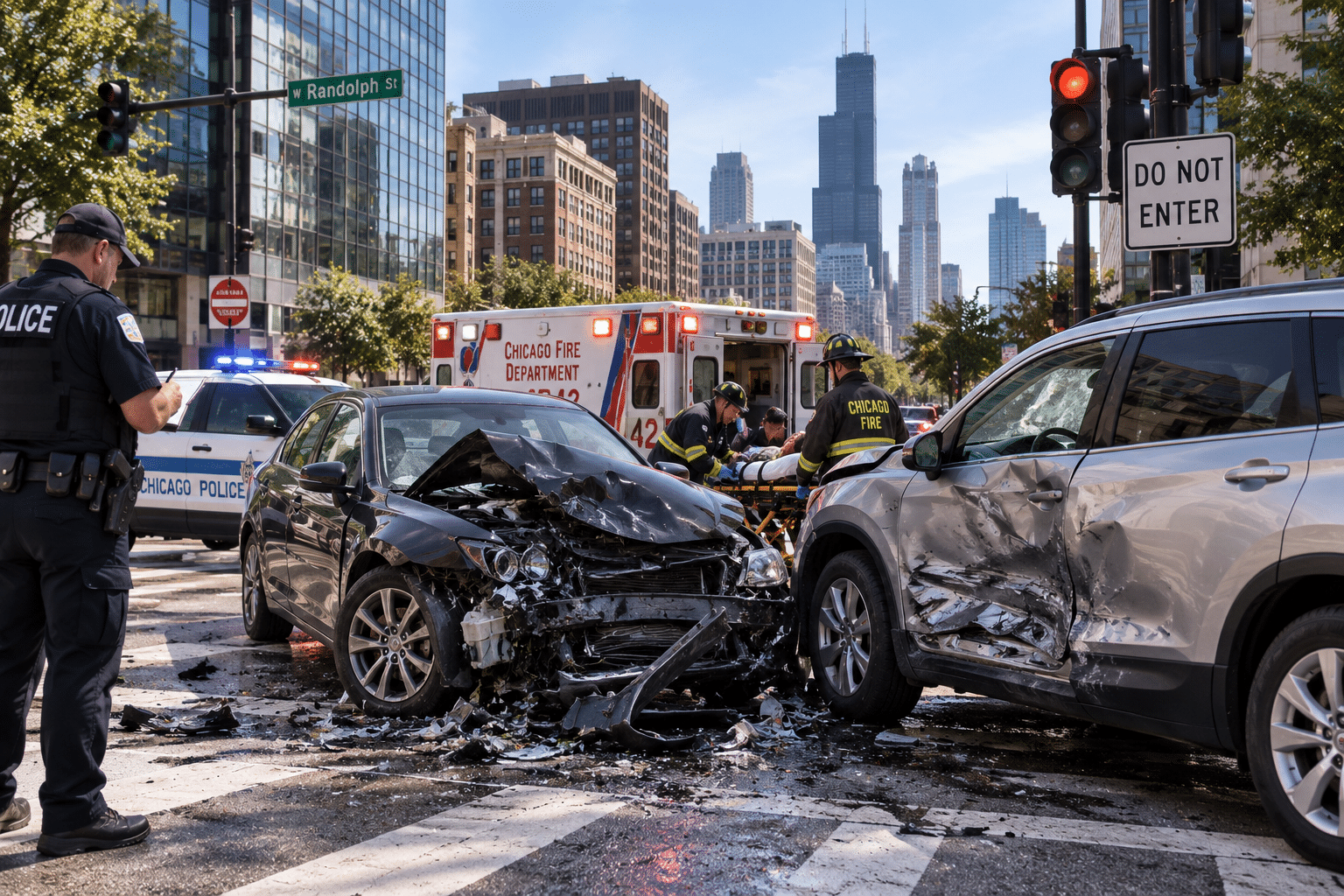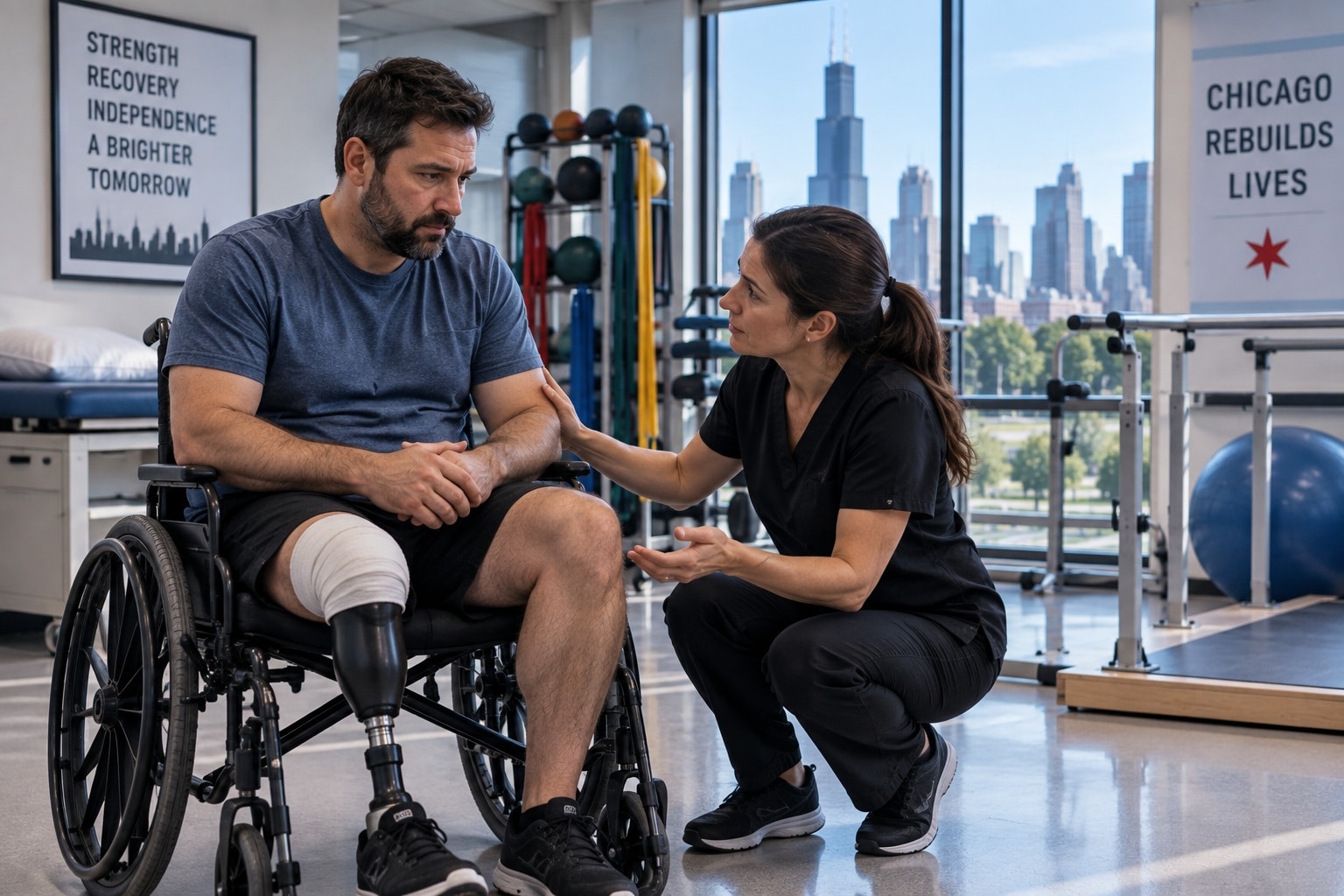
A catastrophic car accident can permanently change a person’s life when the injuries result in the loss of an arm, hand, leg, foot, finger, or other body part. In Schaumburg and the surrounding northwest suburbs, serious crashes on heavily traveled roads and highways can expose drivers, passengers, pedestrians, and motorcyclists to crushing forces that sometimes make amputation medically necessary.
Some amputations occur at the scene of the collision because of the severity of the trauma, while others happen later when doctors cannot save a badly damaged limb. These cases are different from ordinary injury claims because the physical, financial, and emotional consequences can continue for decades. When I evaluate an amputation injury claim, I look closely at the immediate medical costs, future treatment, prosthetic needs, lost earning capacity, permanent disability, and the many ways the injury may affect daily life.
How Car Accidents Can Lead To Amputation Injuries
Amputations frequently result from severe crushing, vascular, nerve, or traumatic injuries. A vehicle occupant may suffer catastrophic damage when part of the body becomes trapped between twisted metal, crushed inside the passenger compartment, or directly struck during a high-speed collision.
Doctors sometimes attempt multiple surgeries before determining that a limb cannot be saved. Severe blood vessel damage, infection, tissue death, bone destruction, or extensive nerve injury may make amputation the safest medical option. In other situations, the force of the crash itself causes a traumatic amputation.
These injuries are commonly associated with head-on collisions, side-impact crashes, motorcycle accidents, pedestrian accidents, commercial truck crashes, and accidents involving vehicle rollovers. Because the consequences are permanent, I consider the entire expected course of the injury rather than focusing only on the initial hospitalization.
An Amputation Claim Must Account For Future Medical Needs
The cost of an amputation does not end when the patient leaves the hospital. Many people require additional surgeries, rehabilitation, physical therapy, occupational therapy, pain management, prosthetic fittings, and replacement prosthetic devices throughout their lives.
A prosthetic device may need to be adjusted or replaced because of wear, changes in the residual limb, technological improvements, or changes in the patient’s physical condition. Some patients also experience phantom limb pain, nerve pain, skin complications, infections, or mobility problems requiring continued treatment.
For younger accident victims, these future expenses can extend across several decades. I therefore look beyond current bills and examine what medical care is reasonably expected in the future. A settlement that addresses only existing expenses may fail to account for some of the largest financial losses associated with an amputation.
Lost Income And Reduced Earning Capacity Can Be Significant
An amputation may prevent someone from returning to the same occupation they held before the accident. A construction worker who loses a leg, a mechanic who loses a hand, or a healthcare worker who suffers severe mobility limitations may no longer be physically capable of performing essential job duties.
Even when a person can continue working, the injury may reduce the number of hours they can work, limit advancement opportunities, or require a transition into a different occupation. These losses are different from simply calculating the wages missed during hospitalization.
An amputation claim may involve both past lost income and future loss of earning capacity. In serious cases, vocational and economic evidence may be used to determine how the injury is expected to affect employment and lifetime earnings.
Pain, Disability, And Disfigurement Are Major Parts Of The Claim
Illinois law recognizes non-economic damages such as pain and suffering, disability, and disfigurement as forms of compensable loss in personal injury cases. These damages can become especially important in an amputation case because the injury is permanent and visible.
A person may experience chronic pain, phantom limb sensations, mobility limitations, difficulty performing household tasks, sleep problems, or an inability to participate in activities they previously enjoyed. Prosthetic devices may restore some function, but they do not erase the fact that the person has suffered a permanent physical loss.
I also consider how the injury affects independence, relationships, recreation, personal care, and the ability to participate in normal daily activities. These consequences can be just as significant as the medical bills associated with the accident.
Proving Who Caused The Catastrophic Crash
Before compensation can be recovered, liability must be established. Depending on the collision, that may require showing that another driver was speeding, distracted, impaired, following too closely, making an unsafe turn, violating the right-of-way, or otherwise driving negligently.
Evidence may include police reports, photographs, surveillance footage, dash camera video, vehicle data, witness statements, physical damage patterns, and medical records. In commercial vehicle cases, additional information such as driver logs, electronic logging data, maintenance records, and company policies may become relevant.
The goal is to establish both how the crash occurred and how that crash caused the amputation injury. In catastrophic cases, preserving evidence early is especially important because the financial stakes are often substantial.
Comparative Fault Can Affect An Illinois Amputation Claim
Illinois follows a modified comparative negligence system. Under 735 ILCS 5/2-1116, an injured person generally cannot recover damages if that person is found more than 50 percent responsible for the proximate cause of the injury. If the injured person is 50 percent or less at fault, recovery is permitted but reduced by the percentage of fault assigned.
This rule gives insurance companies an incentive to argue that the injured person contributed to the crash. An insurer may allege speeding, distraction, failure to wear a seat belt, unsafe lane movement, or another form of negligence.
I carefully examine those allegations because even a modest percentage of fault can substantially reduce compensation in a catastrophic injury case.
The Filing Deadline Matters
Illinois generally requires personal injury lawsuits to be filed within two years after the cause of action accrues under 735 ILCS 5/13-202. Certain cases can involve different deadlines or exceptions, particularly when a government entity, minor, or other special circumstance is involved.
Waiting until the deadline approaches can also make the case harder to prove. Witnesses may become difficult to locate, video footage may be erased, vehicles may be repaired or destroyed, and other evidence may disappear.
For an amputation claim, early investigation also provides more time to understand the long-term medical prognosis before evaluating any settlement proposal.
FAQs About Amputation Injury Claims After A Car Accident
What Damages Can I Recover After Losing A Limb In A Car Accident?
An amputation claim may include compensation for medical bills, future medical care, rehabilitation, prosthetic devices, replacement prosthetics, lost wages, reduced earning capacity, pain and suffering, disability, disfigurement, and other losses caused by the accident. Illinois recognizes non-economic damages including pain and suffering, disability, and disfigurement. The specific damages depend on the person’s age, occupation, health, type of amputation, prognosis, and long-term functional limitations. I focus on documenting both the financial losses and the permanent effects of the injury.
Can Future Prosthetic Costs Be Included In A Car Accident Claim?
Yes, reasonably anticipated future prosthetic expenses can be important in an amputation claim. Many prosthetic devices eventually require replacement, repair, adjustment, or technological upgrades. A person may need several devices over a lifetime. Future rehabilitation, physical therapy, and medical treatment may also be necessary. I consider these expected costs before evaluating whether a settlement adequately addresses the long-term consequences of the injury.
What Is Phantom Limb Pain And Can It Be Part Of My Claim?
Phantom limb pain refers to pain or other sensations that appear to come from a limb or body part that has been amputated. Some people experience burning, aching, cramping, pressure, or shooting sensations. The severity and duration vary widely. When phantom pain is medically documented and connected to the accident-related amputation, it can be relevant to both treatment costs and pain-and-suffering damages.
Can I Recover Compensation If I Cannot Return To My Previous Job?
Potentially, yes. If an amputation prevents you from returning to your previous occupation, your claim may include lost earnings and diminished future earning capacity. The calculation may consider your employment history, wages, education, skills, age, physical restrictions, and the type of work you can reasonably perform after the injury. Catastrophic injuries often require a much broader financial analysis than simply adding up the paychecks missed immediately after the collision.
Contact SJ Injury Law About Your Catastrophic Amputation Injury Claim
An amputation injury can affect nearly every part of your life, from your ability to work and move independently to your need for future medical treatment and prosthetic care. These cases require careful attention to both present losses and the costs and limitations that may continue for years. At SJ Injury Law, I represent people who have suffered catastrophic injuries because of negligent drivers and other responsible parties. Call our Schaumburg car accident attorney at SJ INJURY LAW at (847) 434-3555 to receive your free consultation.